
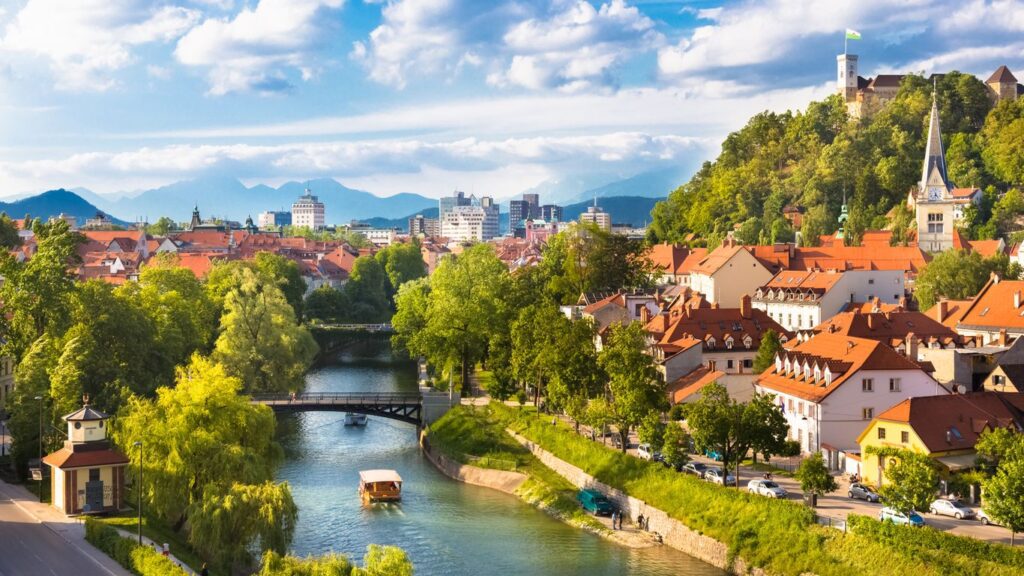
Ever feel like every European capital has been photographed, reviewed, and Instagrammed to death? If you’re craving a city that blends old-world charm with modern sustainability—without the crowds—then visiting Ljubljana might just be your next perfect getaway. Tucked away in the heart of Slovenia, this compact capital is often overlooked by travelers chasing Paris or Rome. But those who venture here discover a vibrant, green, and culturally rich city that feels refreshingly authentic. With its pedestrian-friendly center, riverside cafes, and castle perched above the skyline, Ljubljana offers an experience that’s both relaxing and full of discovery.
Why Ljubljana Deserves a Spot on Your European Itinerary
Ljubljana isn’t just another pretty European town—it’s a city that punches well above its weight in terms of culture, sustainability, and quality of life. Named the European Green Capital in 2016, Ljubljana has transformed itself into a model of urban eco-friendliness. The city center is largely car-free, encouraging walking, cycling, and electric shuttles. This commitment to sustainability makes visiting Ljubljana not only enjoyable but also guilt-free for eco-conscious travelers.
Beyond its green credentials, Ljubljana boasts a rich history that spans Roman settlements, medieval fortifications, and Baroque architecture. The city’s compact size means you can explore its highlights on foot in just a few days, yet there’s enough depth to keep you engaged for a week. From its lively food scene to its thriving arts community, Ljubljana offers a balanced mix of relaxation and discovery that’s hard to find in larger, more tourist-saturated capitals.
Exploring Ljubljana’s Historic Heart
The true soul of Ljubljana lies in its historic center, a UNESCO-recognized area brimming with cobblestone streets, pastel-colored buildings, and architectural gems. At its heart is Prešeren Square, named after Slovenia’s greatest poet, France Prešeren. This lively plaza is surrounded by iconic landmarks like the pink Franciscan Church of the Annunciation and the Triple Bridge, designed by renowned architect Jože Plečnik. Walking through this area feels like stepping into a living museum, where every corner tells a story.
Just a short stroll from the square is Ljubljana Castle, perched atop Castle Hill and offering panoramic views of the city and the surrounding Alps. You can reach it by foot via a scenic path or take the funicular for a quicker ascent. Inside, the castle houses a museum that delves into the city’s 2,000-year history. Whether you’re exploring its medieval ramparts or sipping coffee at the castle café, the views alone make the climb worthwhile. This blend of history and accessibility is what makes visiting Ljubljana such a rewarding experience.
Ljubljana’s Culinary Scene: A Taste of Slovenia
Food lovers will find plenty to savor in Ljubljana, where Slovenian cuisine shines with fresh, local ingredients and Mediterranean influences. The city’s markets are a feast for the senses, especially the Central Market along the Ljubljanica River. Here, you’ll find stalls overflowing with seasonal produce, artisanal cheeses, cured meats, and homemade preserves. Don’t miss trying kranjska klobasa (Carniolan sausage) or žganci, a traditional buckwheat dish often served with sauerkraut or meat.
For a more refined dining experience, Ljubljana’s restaurant scene blends tradition with innovation. Restaurants like Gostilna As and Strelec offer modern takes on Slovenian classics, using ingredients sourced from local farms and forests. Many eateries also emphasize sustainability, with zero-waste kitchens and seasonal menus. Whether you’re grabbing a quick bite at a riverside café or indulging in a multi-course dinner, the city’s culinary offerings reflect its commitment to quality and authenticity.
And let’s not forget the coffee culture. Ljubljana takes its coffee seriously, with cozy cafes tucked into alleyways and along the riverbanks. Places like Črna Vas and Roest offer expertly brewed espresso and homemade pastries, perfect for a midday pause. Pair your coffee with a slice of potica, a rolled nut bread that’s a national favorite, and you’ll understand why locals treat coffee breaks as sacred rituals.
Green Spaces and Outdoor Adventures in Ljubljana
One of the most appealing aspects of visiting Ljubljana is its abundance of green spaces. The city is designed with nature in mind, offering residents and visitors alike easy access to parks, gardens, and riverside paths. Tivoli Park, the largest urban park in Ljubljana, stretches across the western edge of the city center. It’s a favorite among locals for jogging, picnics, and outdoor concerts. The park also features the Tivoli Pond, a serene spot for paddle boating or simply relaxing under the trees.
The Ljubljanica River winds through the heart of the city, creating a natural corridor that connects many of its key attractions. Walking or cycling along its banks is one of the best ways to experience Ljubljana’s charm. You’ll pass under picturesque bridges, past outdoor art installations, and alongside floating markets. In the warmer months, the riverbanks come alive with food trucks, live music, and pop-up events, turning the waterway into a social hub.
For those seeking a bit more adventure, the nearby hills and countryside offer excellent hiking and biking opportunities. The Šiška Hill trail provides a moderate hike with rewarding views of the city and the Kamnik-Savinja Alps. Alternatively, rent a bike and explore the surrounding villages, vineyards, and thermal springs. Just a short drive from the city, you can find natural hot springs like those in Laško or Rogaška Slatina, perfect for a relaxing day trip.
Cultural Highlights and Local Life
Ljubljana may be small, but its cultural scene is anything but modest. The city hosts a packed calendar of festivals, exhibitions, and performances throughout the year. The Ljubljana Festival, held each summer, features world-class opera, ballet, and classical music in stunning outdoor venues. Meanwhile, the city’s museums and galleries—like the National Museum of Slovenia and the Museum of Modern Art—offer deep dives into the country’s history and contemporary art scene.
What sets Ljubljana apart is how seamlessly culture is woven into daily life. Street art decorates alleyways, pop-up performances happen in public squares, and local artists often collaborate with cafes and shops. The city’s creative energy is palpable, especially in neighborhoods like Metelkova, a former military barracks turned autonomous cultural center. Here, you’ll find vibrant murals, underground clubs, and experimental art spaces that challenge conventional norms.
Interacting with locals is another highlight of visiting Ljubljana. Slovenians are known for their warmth and hospitality, and many speak excellent English. Strike up a conversation at a café or market, and you might end up with insider tips on hidden gems or family-run eateries. The city’s relaxed pace encourages connection, making it easy to feel at home even as a visitor.
Day Trips and Nearby Attractions
While Ljubljana is a destination in itself, its central location makes it an ideal base for exploring Slovenia’s diverse landscapes. One of the most popular day trips is to Lake Bled, a fairy-tale alpine lake with a church-topped island and a medieval castle. Just an hour’s drive from Ljubljana, Bled offers hiking, boating, and stunning photo opportunities. Don’t miss trying the famous Bled cream cake, a delicate pastry that’s become a national icon.
Another must-visit is the Postojna Cave, one of the largest karst cave systems in the world. Located about 45 minutes from Ljubljana, the cave features an electric train ride through its vast chambers, where you’ll see stalactites, stalagmites, and even the rare olm—a cave-dwelling salamander. Nearby, Predjama Castle, built into a cliff face, adds a dramatic touch to the region’s natural beauty.
For wine enthusiasts, the Vipava Valley and Goriška Brda regions offer scenic vineyards and tasting rooms. These areas are known for their crisp white wines and panoramic views of rolling hills. Many wineries offer guided tours and meals featuring local produce, making for a perfect countryside escape. Whether you’re drawn to nature, history, or gastronomy, Ljubljana’s proximity to these attractions makes it a strategic starting point.
Practical Tips for Visiting Ljubljana
Planning your trip to Ljubljana is straightforward, thanks to the city’s excellent infrastructure and tourist-friendly services. The best time to visit is during spring (April to June) or early autumn (September to October), when the weather is mild and the crowds are manageable. Summers can be warm and busy, especially during festivals, while winters are cold but magical, with Christmas markets and snow-dusted rooftops.
Getting around is easy. Ljubljana has a reliable public transportation system, including buses and a bike-sharing program called Bicikelj. Most attractions are within walking distance of the city center, and the compact layout makes navigation simple. For longer trips, consider renting a car or using regional trains to reach nearby destinations.
Accommodation options range from boutique hotels and guesthouses to hostels and vacation rentals. Staying in the city center puts you within easy reach of major sights, but quieter neighborhoods like Vižmarje or Šiška offer a more local experience. Book in advance during peak seasons to secure the best rates and locations.
Key Takeaways
- Ljubljana is a sustainable, walkable city with a car-free center and a strong commitment to green living.
- The historic core features UNESCO-recognized architecture, including Prešeren Square, Ljubljana Castle, and the Triple Bridge.
- Slovenian cuisine shines in markets and restaurants, with a focus on local, seasonal ingredients.
- Green spaces like Tivoli Park and the Ljubljanica River offer relaxation and outdoor activities.
- The city has a vibrant cultural scene, with festivals, museums, and street art.
- Ljubljana is a perfect base for day trips to Lake Bled, Postojna Cave, and wine regions.
- Visit in spring or autumn for the best weather and fewer crowds.
Conclusion
Visiting Ljubljana is more than just checking off another European capital—it’s an invitation to experience a city that values quality of life, sustainability, and authenticity. From its enchanting old town to its lush parks and thriving arts scene, Ljubljana offers a refreshing alternative to over-touristed destinations. Whether you’re sipping coffee by the river, exploring a medieval castle, or wandering through a bustling market, the city leaves a lasting impression. It’s a place where history and modernity coexist harmoniously, and where every corner holds a new discovery. For travelers seeking depth, charm, and a genuine sense of place, Ljubljana is truly a hidden gem of Europe.
FAQs
What is the best time of year to visit Ljubljana?
The ideal time to visit Ljubljana is during spring (April to June) or early autumn (September to October). During these months, the weather is pleasant, the city is less crowded, and outdoor activities are in full swing. Summer is popular but can be busy, especially during festivals, while winter offers a magical atmosphere with Christmas markets and snow-covered rooftops.
Is Ljubljana safe for solo travelers?
Yes, Ljubljana is considered one of the safest cities in Europe. It has low crime rates, and locals are generally friendly and helpful. The city center is well-lit and pedestrian-friendly, making it easy and comfortable to explore alone, even at night. Solo travelers—especially women—often report feeling secure and welcomed throughout their stay.
Do I need a car to get around Ljubljana?
No, a car is not necessary for getting around Ljubljana. The city center is compact and largely car-free, with most attractions within walking distance. Public buses, bike rentals, and electric shuttles provide convenient alternatives. For day trips to nearby attractions like Lake Bled or Postojna Cave, renting a car or using guided tours is recommended.
