
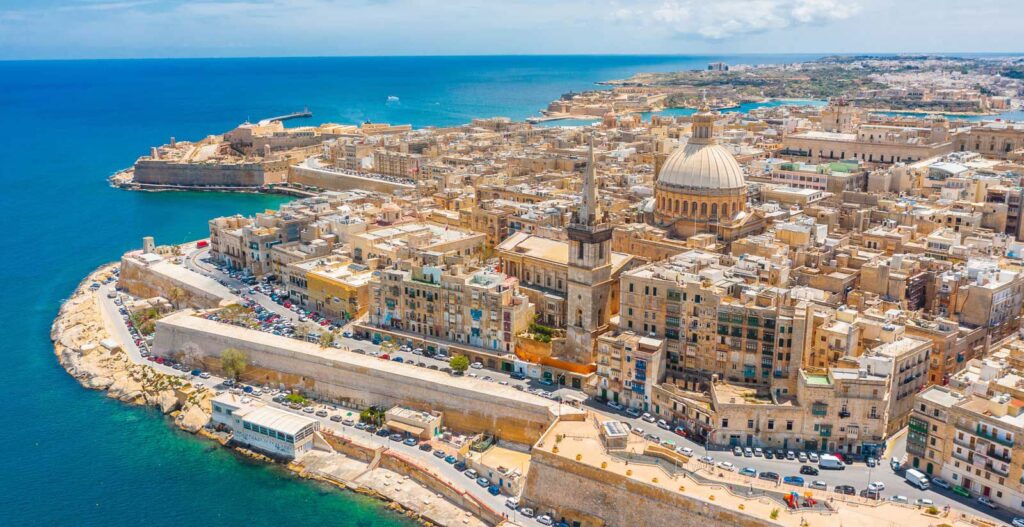
Looking for a travel destination that blends rich history, stunning architecture, and Mediterranean charm? Discover Valletta: Island Travel Guide is your ultimate resource for exploring Malta’s vibrant capital. Nestled on a strategic peninsula between two of the world’s most beautiful natural harbors, Valletta is a UNESCO World Heritage Site packed with Baroque grandeur, hidden alleyways, and cultural treasures. Whether you’re a history buff, architecture lover, or simply seeking a sun-soaked escape, this compact city offers an unforgettable island experience. Let this guide lead you through the heart of Valletta—where every corner tells a story.
Why Valletta Stands Out as a Mediterranean Gem
Valletta isn’t just Malta’s capital—it’s a living museum of European history and culture. Founded in 1566 by the Knights of St. John after the Great Siege of Malta, the city was designed as a fortified haven and quickly became a symbol of resilience and Renaissance brilliance. Its grid-like layout, masterminded by military engineer Francesco Laparelli, remains intact today, making navigation intuitive and exploration rewarding. With over 320 monuments packed into less than one square kilometer, Valletta holds the title of the smallest capital city in the EU by area, yet it boasts one of the highest concentrations of historic landmarks anywhere in the world.
What truly sets Valletta apart is its seamless fusion of past and present. Ancient fortifications stand beside modern art galleries, and centuries-old churches host contemporary performances. The city’s limestone façades glow golden under the Mediterranean sun, while sea breezes carry the scent of salt and citrus from nearby gardens. As a gateway to Malta’s islands, Valletta offers more than just sightseeing—it provides an immersive cultural journey. From its role in naval history to its influence on art and religion, every street and square reflects layers of civilization that continue to shape modern Maltese identity.
Top Attractions to Explore in Valletta
No visit to Valletta is complete without stepping into St. John’s Co-Cathedral, a Baroque masterpiece that houses Caravaggio’s hauntingly beautiful painting The Beheading of Saint John the Baptist. The cathedral’s ornate interior, with its gold-leaf ceilings and marble floors inlaid with tombstones of knights, feels like stepping into a sacred treasure chest. Just a short walk away, the Grandmaster’s Palace dominates Republic Street with its imposing façade and houses the Office of the President as well as the Palace Armoury—a must-see collection of 16th-century weaponry and armor used by the Knights Hospitaller.
For panoramic views and maritime history, head to the Upper Barrakka Gardens. Perched atop the city’s fortifications, this serene public space offers breathtaking vistas of the Grand Harbour and the Three Cities across the water. Don’t miss the daily noon-day gun salute, a tradition dating back to the 19th century. Nearby, the National War Museum inside Fort St. Elmo reveals Malta’s pivotal role in World War II, including artifacts from the Siege of Malta and the George Cross award. These attractions, among many others, make Valletta not just a city to see—but one to experience deeply.
Walking Through Valletta: A Historic Journey on Foot
Valletta is best explored on foot. Its compact size and pedestrian-friendly streets invite leisurely strolls through cobbled lanes, shaded courtyards, and grand piazzas. Start your journey at City Gate, the modern entrance redesigned by Renzo Piano, which leads directly into Republic Street—the city’s main artery lined with shops, cafes, and historic buildings. As you wander, notice the subtle architectural details: ornate door knockers shaped like lions’ heads, wrought-iron balconies draped in bougainvillea, and hidden staircases that descend into quiet plazas. Each turn reveals a new perspective, whether it’s a sunlit courtyard or a view over the azure harbor.
One of the most rewarding walks is along the Valletta Waterfront, where pastel-colored buildings reflect in the calm waters of the Grand Harbour. This area once served as a bustling port for the Knights and now hosts restaurants and cultural venues. For a quieter experience, explore the lower streets near Fort St. Angelo or venture into the residential quarters where locals go about their daily lives. Walking also allows you to discover lesser-known gems like the Casa Rocca Piccola, a 16th-century noble house turned museum, or the tiny Chapel of Our Lady of Damascus, tucked away in a quiet corner. Every step in Valletta feels like peeling back a layer of history.
Don’t forget to take breaks at one of the many open-air cafes or rooftop bars. Sipping a Maltese craft beer or a glass of local wine while watching the sun set over the harbor is an experience that captures the soul of the city. Guided walking tours are also available, offering deeper insights into Valletta’s legends, sieges, and secret passages. Whether you’re tracing the footsteps of knights or simply enjoying the rhythm of island life, walking through Valletta is the most authentic way to connect with its spirit.
Culinary Delights: Tasting Malta in Valletta
Valletta’s food scene is a delicious blend of Mediterranean flavors, North African spices, and Italian influences—reflecting Malta’s strategic location and multicultural history. Start your culinary adventure with traditional Maltese pastries like pastizzi, flaky savory turnovers filled with ricotta or mushy peas, best enjoyed fresh from a local bakery such as Nenu the Baker. For a heartier meal, try fenek (rabbit stew), a national dish often served with garlic and red wine, or lampuki pie, a seasonal fish pie made with dolphin fish caught in autumn.
The city’s restaurants range from casual waterfront eateries to fine-dining establishments with Michelin aspirations. Try Legligin Wine Bar for an intimate setting and an impressive selection of Maltese wines, or visit Rubino for classic Maltese cuisine in a historic townhouse. Don’t miss the chance to sample gbejniet, small sheep or goat cheese bites often served fried or dried, paired with honey or sun-dried tomatoes. Valletta also hosts regular food markets, such as the Sunday Market at St. James Cavalier, where local producers sell olive oil, honey, and handmade preserves.
For dessert, indulge in qagħaq tal-għasel, honey rings spiced with cinnamon and cloves, or a scoop of gelato from one of the artisanal shops near the cathedral. Coffee culture is strong here too—locals favor strong espresso or caffè latte enjoyed slowly at sidewalk tables. Whether you’re dining in a centuries-old cellar or a modern rooftop restaurant, Valletta’s cuisine offers a flavorful journey through Malta’s heritage, with every bite telling a story of trade, tradition, and taste.
Cultural Experiences and Events in Valletta
Valletta pulses with cultural energy year-round, hosting festivals, exhibitions, and performances that celebrate its artistic soul. The city was named the European Capital of Culture in 2018, a title that spurred new investments in the arts and cemented its reputation as a creative hub. One of the most anticipated events is the Valletta Baroque Festival, held every January, featuring classical music concerts in historic venues like St. John’s Co-Cathedral and the Manoel Theatre. The festival transforms the city into an open-air concert hall, drawing musicians and audiences from across Europe.
Art lovers will find plenty to admire at the MUŻA (National Museum of Fine Arts), which showcases Maltese and international works from the 15th to the 21st century. The museum’s collection includes religious paintings, modern sculptures, and contemporary installations, all housed in a beautifully restored 16th-century palace. Nearby, the Spazju Kreattiv center in St. James Cavalier promotes experimental art, theater, and film, often featuring local artists and international collaborations. These venues ensure that Valletta remains a dynamic center for creativity, not just preservation.
Beyond formal institutions, street art and pop-up performances add vibrancy to the city’s public spaces. During summer, open-air cinemas screen classic films under the stars, while winter brings Christmas markets and lantern processions. The annual Notte Bianca (White Night) in October turns the entire city into a free, all-night festival of art, music, and food, with museums, galleries, and shops staying open until dawn. Whether you’re attending a classical recital or dancing in the piazza, Valletta’s cultural calendar ensures there’s always something happening—making every visit unique and memorable.
Practical Tips for Traveling to Valletta
Getting to Valletta is straightforward, thanks to Malta’s small size and efficient transport links. Most international travelers arrive at Malta International Airport, located about 10 kilometers southwest of the city. From there, you can take a taxi, shuttle bus, or rent a car—though driving in Valletta is not recommended due to narrow streets and limited parking. Public buses are affordable and connect the airport to Valletta’s main terminus near City Gate. Once in the city, walking is the best way to get around, with most attractions within a 15-minute stroll of each other.
The best time to visit Valletta is during spring (April to June) or early autumn (September to October), when the weather is warm but not scorching, and crowds are smaller than in peak summer months. Summers can be hot and busy, especially in July and August, while winter offers mild temperatures and fewer tourists, ideal for cultural exploration. Valletta is generally safe, but like any tourist destination, it’s wise to keep an eye on your belongings, especially in crowded areas or on public transport.
Accommodation options range from luxury hotels like The Phoenicia Malta, a historic landmark with lush gardens and harbor views, to boutique guesthouses and budget-friendly hostels. Booking in advance is recommended, particularly during festivals or holidays. English is widely spoken, making communication easy for international visitors. For currency, Malta uses the euro, and credit cards are accepted almost everywhere. Finally, don’t forget to try local specialties, respect quiet hours in residential areas, and embrace the Maltese pace of life—slow, warm, and welcoming.
Key Takeaways
- Valletta is a compact, walkable city packed with over 320 historic monuments, making it one of the most culturally dense capitals in the world.
- The city’s Baroque architecture and maritime heritage reflect its founding by the Knights of St. John and its strategic role in Mediterranean history.
- Top attractions include St. John’s Co-Cathedral, the Grandmaster’s Palace, and the Upper Barrakka Gardens, all easily accessible on foot.
- Valletta offers a rich culinary scene featuring traditional Maltese dishes like pastizzi, fenek, and gbejniet, best enjoyed at local eateries and markets.
- The city hosts year-round cultural events, including the Valletta Baroque Festival and Notte Bianca, celebrating music, art, and community.
- Travelers should visit in spring or autumn for ideal weather and fewer crowds, and rely on walking or public transport to explore efficiently.
FAQ
What is the best way to get around Valletta?
The best way to get around Valletta is on foot. The city is compact, with most attractions within walking distance of each other. Public buses connect Valletta to other parts of Malta, but driving within the city is discouraged due to narrow streets and limited parking.
Is Valletta safe for tourists?
Yes, Valletta is generally very safe for tourists. Like any popular destination, it’s advisable to stay aware of your surroundings, especially in crowded areas, and keep valuables secure. The city has a strong police presence and is known for its welcoming atmosphere.
What are must-try foods when visiting Valletta?
Must-try foods include pastizzi (savory pastries), fenek (rabbit stew), gbejniet (Maltese cheese), and lampuki pie. Pair these with local wines or craft beers for an authentic taste of Malta.
Conclusion
To discover Valletta is to step into a living tapestry of history, culture, and Mediterranean beauty. This island capital offers more than just monuments and museums—it invites you to wander its sun-drenched streets, savor its flavors, and connect with its stories. From the grandeur of Baroque churches to the quiet charm of hidden courtyards, Valletta reveals its treasures gradually, rewarding those who explore with curiosity and patience. Whether you’re drawn by its military past, artistic present, or simply the allure of island life, Valletta leaves a lasting impression. Let this guide be your compass as you uncover the magic of Malta’s timeless capital—one unforgettable moment at a time.
