
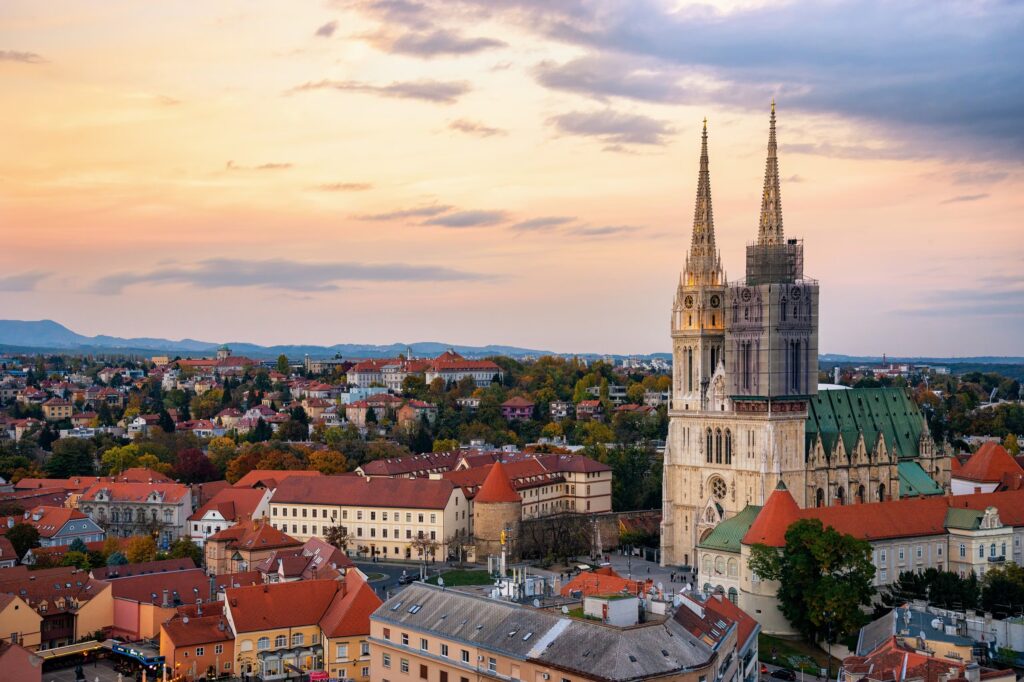
Looking for the ultimate guide to Zagreb: culture & city life? You’ve found it. As Croatia’s vibrant capital, Zagreb blends centuries-old traditions with modern urban energy, offering a rich tapestry of history, art, food, and local charm. Whether you’re strolling through cobbled Upper Town streets, sipping espresso in a sunlit café, or exploring underground music scenes, Zagreb delivers an authentic European experience without the crowds of more tourist-heavy capitals. This guide dives deep into the heartbeat of the city—its cultural landmarks, daily rhythms, hidden gems, and the unique spirit that defines life in Zagreb.
Zagreb’s Cultural Heritage: A Walk Through History
Zagreb’s cultural identity is deeply rooted in its layered history, spanning Roman settlements, medieval fortresses, Austro-Hungarian elegance, and modern Croatian independence. The city’s two historic cores—Gornji Grad (Upper Town) and Donji Grad (Lower Town)—serve as the cultural backbone of Zagreb. Gornji Grad, perched on a hill, is home to landmarks like St. Mark’s Church with its iconic tiled roof, the Gothic-style Zagreb Cathedral, and the Lotrščak Tower, which offers panoramic views and the famous noon bell tradition. These sites aren’t just tourist attractions; they’re living symbols of national pride and continuity.
Beyond architecture, Zagreb’s museums and galleries reveal the soul of its people. The Museum of Broken Relationships, a globally acclaimed institution, turns personal heartbreak into art, reflecting Zagreb’s introspective and creative spirit. Meanwhile, the Mimara Museum and the Croatian National Theatre showcase fine art and performing arts that highlight both local talent and international influences. Cultural festivals like the Zagreb Film Festival and INmusic Festival draw global attention, proving that Zagreb is not just preserving its past—it’s actively shaping its cultural future.
Urban Lifestyle: The Rhythm of Daily Life in Zagreb
Life in Zagreb moves at a relaxed yet purposeful pace, shaped by a strong café culture, pedestrian-friendly streets, and a deep appreciation for community. Mornings often begin with a slow espresso at one of the city’s countless kafanas (coffee houses), where locals linger over newspapers and conversation. The city’s tram system, a lifeline for commuters, glides through tree-lined avenues like Ilica and Ban Jelačić Square—the bustling heart of downtown. Here, street performers, pop-up markets, and seasonal events create a dynamic urban atmosphere that’s both lively and welcoming.
Evenings in Zagreb transform the city into a social hub. Locals gather in parks like Maksimir or Zrinjevac for evening walks, picnics, or outdoor concerts. The city’s dining scene reflects its cosmopolitan flair—traditional dishes like štrukli (cheese pastry) and zagrebački odrezak (Zagreb-style veal schnitzel) are served alongside modern fusion cuisine in trendy gastro bars. Nightlife ranges from intimate jazz clubs in Tkalciceva Street to electronic music venues in the industrial zones of Savski gaj. This balance of tradition and innovation defines Zagreb’s urban lifestyle—rooted, yet ever-evolving.
Neighborhoods That Define Zagreb’s Character
Each neighborhood in Zagreb offers a distinct flavor of city life. The historic Upper Town, with its narrow alleys and baroque facades, feels like stepping into a storybook. It’s where government buildings, artisan shops, and quiet courtyards coexist in harmony. Just below, the Lower Town unfolds with wide boulevards, elegant 19th-century apartments, and cultural institutions like the Mimara Museum and the Croatian Academy of Sciences and Arts. This area reflects Zagreb’s Austro-Hungarian grandeur and remains a center for education and the arts.
For a more bohemian vibe, head to Tkalčićeva Street—once a creek, now a lively pedestrian lane packed with bars, cafés, and boutiques. It’s a favorite among young professionals and creatives. Meanwhile, the neighborhoods of Trešnjevka and Maksimir offer a glimpse into residential Zagreb, where families, students, and artists live side by side. These areas are less touristy but rich in local character, with community gardens, indie theaters, and family-run bakeries. Exploring these districts reveals the everyday authenticity that makes Zagreb feel like a real city, not just a postcard destination.
Art, Music, and Creative Expression in Zagreb
Zagreb is a city where creativity thrives in both formal and informal spaces. The visual arts scene is particularly strong, with institutions like the Museum of Contemporary Art and the Zagreb City Gallery showcasing cutting-edge Croatian and international works. Street art has also gained prominence, especially in the industrial zones of Savski gaj and the neighborhood of Trnje, where murals by local artists transform abandoned buildings into open-air galleries. These expressions of urban art reflect Zagreb’s youthful energy and its embrace of modern cultural movements.
Music pulses through the city’s veins, from classical performances at the Croatian National Theatre to underground electronic beats in repurposed factories. The Zagreb Philharmonic Orchestra maintains a strong classical tradition, while festivals like Terraneo and Špancirfest celebrate indie, rock, and world music. Local bands often blend traditional folk elements with modern genres, creating a unique sound that’s distinctly Zagreb. Whether you’re at a packed concert hall or a tiny basement club, the city’s musical diversity ensures there’s always something new to discover.
Zagreb’s Literary and Intellectual Scene
Zagreb has long been a center of intellectual life in the region. The city boasts a robust literary culture, with independent bookshops like Mali Format and Profil fostering a community of readers and writers. The annual Zagreb Book Fair attracts authors and publishers from across Europe, while poetry readings and literary cafés keep the written word alive in public spaces. The University of Zagreb, one of the oldest in Southeast Europe, contributes to this intellectual vibrancy, producing scholars, thinkers, and artists who shape the city’s cultural discourse.
Philosophy, politics, and social issues are frequently debated in Zagreb’s public forums, from university lecture halls to neighborhood forums. The city’s media landscape—including newspapers like Jutarnji List and portals like Index.hr—encourages open dialogue and critical thinking. This intellectual climate nurtures a population that values education, debate, and cultural refinement. For visitors, engaging with Zagreb’s literary and academic circles offers a deeper understanding of the city’s values and worldview.
Food and Drink: The Flavors of Zagreb
Zagreb’s culinary scene is a delicious blend of tradition and innovation. At its core are hearty, comforting dishes rooted in Central European and Balkan influences. Štrukli, a baked or boiled pastry filled with fresh cheese, is the city’s unofficial dish—best enjoyed at family-run spots like Štrukli Klet or La Štruk. Meat lovers shouldn’t miss zagrebački odrezak, a breaded veal cutlet stuffed with ham and cheese, or purica s mlincima (roast turkey with flatbread). These dishes reflect Zagreb’s agricultural roots and its love for rich, satisfying meals.
But Zagreb is also embracing modern gastronomy. Trendy restaurants like Noel and Drunk Cherry experiment with local ingredients in creative ways, offering tasting menus that highlight seasonal produce and Croatian wines. The city’s café culture remains strong, with third-wave coffee shops like Cogito and Eli’s serving expertly brewed espresso and single-origin beans. Craft beer is on the rise too, with microbreweries like Zaječarsko and Nova Runda offering locally brewed ales and lagers. Whether you’re dining in a historic tavern or a sleek rooftop bar, Zagreb’s food and drink scene is as diverse as its people.
Markets and Local Produce: A Taste of Authenticity
For a true taste of Zagreb, visit its bustling markets. The Dolac Market, located just above Ban Jelačić Square, is the city’s most famous open-air market. Here, farmers from surrounding villages sell fresh fruits, vegetables, cheeses, and cured meats. It’s a sensory experience—colorful stalls, the scent of ripe peaches, and the lively banter of vendors and shoppers. Just next door, the indoor market offers seafood, spices, and traditional sweets like orehnjača (walnut roll).
Smaller neighborhood markets, like those in Maksimir and Trešnjevka, offer a more local experience. These are where Zagreb residents do their daily shopping, picking up bread from the neighborhood bakery or herbs from a family farm. Visiting these markets not only supports local producers but also connects you to the rhythms of daily life. Many vendors speak little English, so a smile and a few Croatian phrases go a long way. For foodies, these markets are essential stops on any Zagreb itinerary.
Festivals and Events: Celebrating Zagreb’s Spirit
Zagreb comes alive throughout the year with a packed calendar of festivals and cultural events. Spring kicks off with Špancirfest, a ten-day celebration of street art, music, and theater that transforms the city center into a vibrant open-air stage. Summer brings the INmusic Festival, held on Lake Jarun, featuring international rock and indie acts alongside Croatian bands. The Zagreb Film Festival in October showcases the best of regional and global cinema, while the Advent in Zagreb festival transforms the city into a winter wonderland with ice rinks, Christmas markets, and live performances.
These events are more than entertainment—they’re expressions of Zagreb’s community spirit. Locals of all ages participate, whether by attending concerts, volunteering, or simply enjoying the festive atmosphere. Many festivals are free or low-cost, making culture accessible to everyone. For visitors, timing your trip around one of these events offers a unique opportunity to experience Zagreb’s energy and hospitality firsthand. It’s also a chance to see how the city balances tradition with modernity, always evolving while staying true to its roots.
Hidden Cultural Gems: Off-the-Beaten-Path Experiences
Beyond the main attractions, Zagreb hides cultural treasures waiting to be discovered. The Museum of Illusions offers a playful take on perception and science, while the Zagreb Zoo in Maksimir combines conservation with education in a lush park setting. For something truly unique, visit the Museum of Contemporary Art’s Skyscraper, a futuristic building that hosts experimental exhibitions. The city’s many churches and monasteries, like the Church of St. Catherine and the Franciscan Monastery, offer quiet spaces for reflection and beautiful examples of religious art.
Art lovers should explore the galleries of the Zagreb Academy of Fine Arts, where student exhibitions showcase emerging talent. The city’s many book cafés, like Kletvice and Kino Europa, double as cultural hubs, hosting readings, film screenings, and debates. Even the city’s cemeteries, like Mirogoj, are architectural masterpieces, with ornate tombs and peaceful gardens. These lesser-known spots reveal the depth and diversity of Zagreb’s cultural landscape—proof that the city’s soul isn’t just in its landmarks, but in its everyday moments.
Key Takeaways: What Makes Zagreb Unique
- Rich Cultural Heritage: From medieval churches to modern museums, Zagreb’s history is visible in its architecture and institutions.
- Vibrant Urban Lifestyle: The city blends café culture, public transit, and green spaces into a relaxed yet dynamic daily rhythm.
- Creative Energy: Art, music, and literature thrive in both formal venues and underground scenes.
- Authentic Cuisine: Traditional dishes meet modern gastronomy, with markets and local producers at the heart of the food culture.
- Year-Round Festivals: Events like Špancirfest and Advent in Zagreb showcase the city’s community spirit and cultural diversity.
- Hidden Gems: Beyond the main sights, Zagreb offers unique experiences in its neighborhoods, cafés, and lesser-known museums.
Conclusion: Why Zagreb Deserves Your Attention
Zagreb is more than Croatia’s capital—it’s a city of contrasts, where ancient traditions meet modern creativity, and where everyday life is infused with culture. Whether you’re exploring its historic streets, savoring a warm štrukli, or dancing at an underground music venue, Zagreb offers an authentic and enriching experience. This ultimate guide to Zagreb: culture & city life reveals a city that values its past while embracing the future. It’s a place where locals take pride in their heritage, yet remain open to new ideas and influences. For travelers seeking depth, authenticity, and charm, Zagreb stands out as one of Europe’s most rewarding destinations.
FAQs
What is the best time to visit Zagreb for cultural experiences?
The best time to visit Zagreb for culture is during spring (April–June) or fall (September–October), when festivals like Špancirfest and the Zagreb Film Festival take place. Winter is ideal for Advent in Zagreb, while summer offers outdoor concerts and open-air cinema.
Is Zagreb safe for tourists exploring its cultural sites?
Yes, Zagreb is considered one of the safest cities in Europe. Petty crime like pickpocketing can occur in crowded areas, but violent crime is rare. Tourists can comfortably explore cultural sites, neighborhoods, and nightlife areas at all hours.
How can I experience authentic Zagreb culture as a visitor?
To experience authentic culture, visit local markets like Dolac, dine at family-run restaurants, attend neighborhood festivals, and explore areas beyond the city center. Engaging with locals, learning a few Croatian phrases, and using public transit also deepen your connection to the city.
