
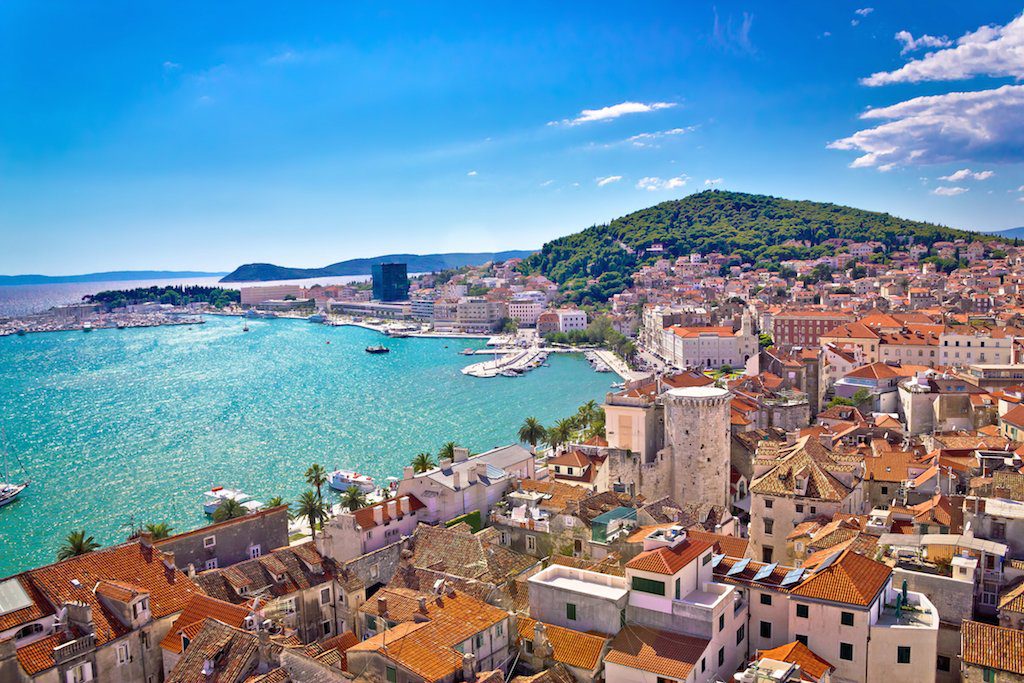
Looking for a destination that blends sun-drenched shores with ancient charm? Split, Croatia, offers the perfect fusion of pristine beaches and rich historical heritage. This vibrant coastal city on the Adriatic Sea is more than just a postcard-perfect getaway—it’s a living museum where Roman emperors once walked and crystal-clear waters invite endless summer days. Whether you’re drawn to the echoes of Diocletian’s Palace or the allure of secluded coves, this Split travel guide: beaches & history will show you how to experience both worlds in one unforgettable trip.
Discover Split’s Historic Heart: Diocletian’s Palace
At the core of Split’s identity lies Diocletian’s Palace, a UNESCO World Heritage Site that dates back to the 4th century AD. Built by Roman Emperor Diocletian as his retirement residence, this sprawling complex is not just a relic—it’s the pulsating heart of modern Split. Wandering through its narrow stone alleys, you’ll pass beneath ancient arches, step into lively courtyards, and find cafes, boutiques, and homes nestled within original Roman walls. The palace blends seamlessly into the city’s urban fabric, making it one of the few ancient structures still actively used in daily life.
Beyond its architectural grandeur, the palace offers a deep dive into Roman engineering and lifestyle. The Peristyle, the central square flanked by columns and statues, hosts cultural events and concerts, echoing its role as a public gathering space centuries ago. Don’t miss the underground cellars, which once stored food and wine for the emperor’s household and now house art galleries and souvenir shops. Climb the bell tower of St. Lawrence Cathedral for panoramic views of red-tiled roofs and the shimmering Adriatic beyond—a visual testament to Split’s layered past.
Top Beaches in Split: Sun, Sea, and Serenity
Split’s coastline is a treasure trove of beaches, ranging from bustling urban shores to hidden pebble coves. Bačvice Beach is the city’s most famous stretch, known for its shallow, sandy shoreline that’s perfect for families and paddle tennis enthusiasts. Located just a short walk from the palace, it buzzes with energy during summer, offering beach bars, water sports, and a lively atmosphere. For a more relaxed vibe, head to Žnjan Beach, Split’s longest pebble beach, ideal for sunbathing, swimming, and watching the sunset with locals.
For those seeking tranquility, the nearby Marjan Peninsula offers a network of secluded beaches framed by pine forests and rocky outcrops. Kašjuni and Bene are two standout spots, accessible via scenic hiking trails that reward visitors with breathtaking views and peaceful swimming conditions. These beaches are less crowded and offer a more authentic coastal experience. Whether you prefer sandy shores or rocky coves, Split’s beaches cater to every preference, all within easy reach of the city center.
Exploring Split’s Historical Landmarks Beyond the Palace
While Diocletian’s Palace dominates the skyline, Split is dotted with other historical gems that reveal its layered past. The Temple of Jupiter, located just off the Peristyle, is one of the best-preserved Roman temples in the city. Dedicated to the king of the gods, it now serves as a baptistery and features a striking statue of the deity. Nearby, the Vestibule—a domed entrance hall—offers a dramatic space where light filters through a central oculus, creating a mystical atmosphere that transports visitors back in time.
The Mestrovic Gallery is another must-visit for history and art lovers. Housed in a Renaissance-style villa, it showcases the works of Ivan Meštrović, Croatia’s most renowned 20th-century sculptor. His bronze and marble pieces reflect themes of faith, struggle, and national identity, offering insight into Croatia’s cultural evolution. The gallery’s gardens and sea views add to its charm, making it a peaceful retreat from the city’s bustle. These landmarks, though less frequented by tourists, provide a deeper understanding of Split’s artistic and spiritual heritage.
Don’t overlook the ancient city walls and gates that once protected Split. The Golden Gate, facing north, was the main entrance to the palace and still stands as a monumental archway. The Silver, Iron, and Brass Gates, though less ornate, offer quieter corners for exploration. Walking along these fortifications gives a sense of the city’s defensive past and its strategic importance in the Roman and medieval eras. Each gate tells a story of invasion, resilience, and transformation.
Hidden Gems: Secret Beaches and Historic Corners
Beyond the well-trodden paths, Split hides pockets of beauty waiting to be discovered. One such spot is the beach at Sustipan, a quiet cove nestled between cliffs and pine trees. Once home to a medieval Benedictine monastery, the area now offers a peaceful escape with clear waters and shaded spots for picnics. The ruins of the monastery, though overgrown, add a haunting beauty to the landscape, blending nature with history in perfect harmony.
Another hidden gem is the beach at Trstenik, accessible via a scenic coastal path from the city center. This pebble beach is popular with locals but often overlooked by tourists, making it ideal for a quiet swim. The surrounding area features small fishing boats, traditional stone houses, and a laid-back vibe that captures the essence of Dalmatian coastal life. For a truly off-the-beaten-path experience, rent a kayak and paddle along the coastline to explore sea caves and isolated inlets.
In the historic realm, the Ethnographic Museum of Split offers a glimpse into traditional Dalmatian life. Housed within the palace complex, it displays folk costumes, tools, and household items from the 18th and 19th centuries. The museum provides context for how Split’s residents lived, worked, and celebrated before the tourism boom. It’s a quiet, reflective space that complements the city’s grand architecture with intimate cultural details.
Best Time to Visit Split: Balancing Beaches and History
The ideal time to visit Split depends on your priorities—whether you crave sun-soaked beach days or prefer cooler weather for exploring ancient sites. Summer, from June to August, offers the warmest temperatures and longest days, making it perfect for swimming and beach activities. However, this is also peak tourist season, meaning crowded beaches and higher prices. If you don’t mind the bustle, July and August provide vibrant nightlife and cultural festivals, including the Split Summer Festival, which features theater, music, and dance performances in historic venues.
For a more balanced experience, consider visiting in late spring (May) or early autumn (September). During these months, the weather remains pleasant—warm enough for swimming but cool enough for comfortable walking tours. The crowds thin out, allowing for a more relaxed exploration of Diocletian’s Palace and the Marjan Peninsula. Spring brings blooming flowers and lush greenery, while autumn offers golden light and fewer tourists, making it ideal for photography and quiet reflection.
Winter in Split is mild compared to much of Europe, with temperatures rarely dropping below freezing. While swimming is out of the question, this season offers a unique opportunity to experience the city’s history without the summer rush. The palace feels more intimate, and local cafes buzz with residents rather than tourists. It’s also the best time to enjoy traditional Dalmatian cuisine, such as peka (slow-cooked meat and vegetables) and fresh seafood, in cozy, authentic settings.
How to Get Around Split: Beaches and Historic Sites
Split is a compact city, making it easy to explore on foot, especially the historic center and nearby beaches. Most major attractions, including Diocletian’s Palace, the Riva promenade, and Bačvice Beach, are within a 15-minute walk of each other. Comfortable walking shoes are essential, as the cobblestone streets can be uneven and steep in places. For those with mobility concerns, the city center is largely flat around the palace, but some areas, like the Marjan Peninsula, involve uphill climbs.
Public transportation is limited within the city but useful for reaching outlying areas. Buses operated by Promet Split connect the city center to neighborhoods like Žnjan and Trstenik, as well as the airport. A single ticket costs around 15 HRK (approximately €2) and is valid for 60 minutes. Taxis and ride-sharing apps like Bolt are widely available and reasonably priced for short trips. For a scenic alternative, consider renting a bike or electric scooter to explore the coastal paths and Marjan Forest Park.
Ferries and catamarans operated by Jadrolinija and Krilo provide connections to nearby islands like Brač, Hvar, and Vis. These day trips are highly recommended for combining beach time with island exploration. Departing from the Split harbor, the ferries offer stunning views of the Adriatic and often include stops at secluded beaches and historic towns. Booking in advance during peak season ensures a spot, especially for popular routes.
Local Cuisine: A Taste of Split’s Coastal and Historic Flavors
Split’s culinary scene reflects its coastal location and Mediterranean heritage. Fresh seafood is a staple, with dishes like grilled octopus, black risotto (made with cuttlefish ink), and brodet (fish stew) appearing on most menus. Local markets, such as the Green Market (Pazar), offer the chance to sample seasonal produce, olives, and cheeses. Don’t miss trying peka—a slow-cooked dish of meat and vegetables baked under a bell-shaped lid—often served in konobas (traditional taverns) outside the city center.
Wine lovers will appreciate Split’s proximity to renowned Dalmatian vineyards. Indigenous varieties like Plavac Mali and Pošip are widely available in local restaurants and wine bars. Pair your meal with a glass of local wine for an authentic taste of the region. For dessert, indulge in rozata, a caramel-flavored custard similar to crème caramel, or fritule, small fried doughnuts dusted with powdered sugar—perfect with a cup of Croatian coffee.
Dining in Split is as much about atmosphere as it is about food. Many restaurants are housed in historic buildings or courtyard gardens, blending culinary delights with architectural charm. The Riva promenade comes alive at night with outdoor seating, live music, and the gentle lapping of waves. Whether you’re enjoying a quick burek from a street vendor or a multi-course meal in a seaside konoba, Split’s food culture enhances the overall travel experience.
Sustainable Travel in Split: Preserving Beaches and History
As tourism grows, so does the need for responsible travel in Split. The city’s beaches and historic sites are fragile ecosystems that require mindful visitation. To protect the coastline, avoid littering, use reef-safe sunscreen, and respect marine life. Many beaches now have recycling bins and eco-friendly initiatives, such as solar-powered showers and water refill stations. Supporting local businesses and choosing accommodations with green certifications also contributes to sustainable tourism.
When exploring Diocletian’s Palace and other historic sites, follow designated paths and avoid touching ancient stonework. The palace’s underground cellars and narrow alleys can be crowded—visit during off-peak hours to reduce wear and tear. Consider joining guided tours led by local historians, which provide deeper insights while promoting cultural preservation. These small actions help ensure that Split’s beaches and history remain accessible and intact for future generations.
Key Takeaways
- Split offers a unique blend of ancient history and stunning beaches, making it ideal for travelers seeking both culture and relaxation.
- Diocletian’s Palace is the city’s historic centerpiece, with Roman ruins integrated into modern life.
- Top beaches include Bačvice for family fun, Žnjan for sunbathing, and Marjan Peninsula for secluded coves.
- Hidden gems like Sustipan and Trstenik offer peaceful escapes and scenic beauty.
- The best time to visit is May–June or September for fewer crowds and pleasant weather.
- Explore on foot, use public transport, or take ferries to nearby islands for a complete experience.
- Enjoy local cuisine, support sustainable tourism, and respect cultural and natural heritage.
Conclusion
Split is more than a destination—it’s a journey through time and tide. From the ancient stones of Diocletian’s Palace to the sun-kissed shores of the Adriatic, this city invites you to experience the best of both worlds. Whether you’re tracing Roman footsteps through cobbled alleys or diving into crystal-clear waters, every moment in Split feels steeped in story and serenity. With its rich history, stunning beaches, and vibrant culture, Split delivers an unforgettable travel experience that satisfies both the curious mind and the sun-seeking soul.
FAQs
What is the best beach in Split for families?
Bačvice Beach is the top choice for families due to its shallow, sandy shoreline and proximity to the city center. It’s safe for children, has lifeguards in summer, and offers amenities like restrooms, showers, and nearby cafes.
Can you visit Diocletian’s Palace for free?
Yes, much of Diocletian’s Palace is open to the public free of charge, including the Peristyle, underground cellars, and main courtyards. However, some areas like the cathedral bell tower and Mestrovic Gallery require a small entrance fee.
How many days do you need in Split to see both beaches and history?
Three to four days is ideal for a balanced experience. This allows time to explore the historic center, visit key landmarks, relax on multiple beaches, and possibly take a day trip to a nearby island.
