
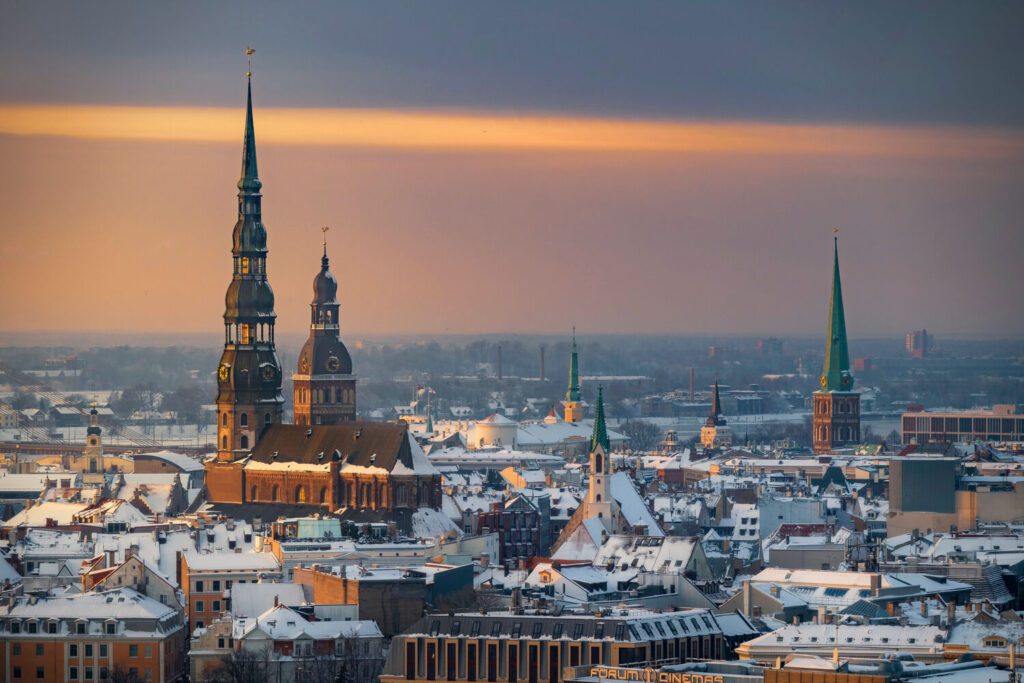
Looking to explore Riga and uncover the hidden gems of one of Europe’s most enchanting capitals? This Baltic beauty guide is your ultimate companion. Nestled on the banks of the Daugava River, Riga blends medieval charm with Art Nouveau elegance, offering travelers a unique cultural and architectural experience. Whether you’re drawn to cobblestone alleys, vibrant markets, or serene parks, Riga delivers a rich tapestry of history, nature, and modern energy. This guide dives deep into what makes Riga a must-visit destination in the Baltic region—perfect for first-time visitors and seasoned travelers alike.
Why Explore Riga: A Hidden Gem of the Baltics
Riga, the capital of Latvia, stands out as one of Europe’s best-kept secrets. With its UNESCO-listed Old Town, over 800 Art Nouveau buildings, and a thriving café culture, it offers a refreshing alternative to overcrowded Western European capitals. The city pulses with a quiet confidence—historic yet modern, relaxed yet cosmopolitan. Visitors who choose to explore Riga are rewarded with authentic experiences, from traditional Latvian cuisine to intimate jazz clubs tucked into centuries-old basements.
Beyond its visual appeal, Riga boasts a rich cultural heritage shaped by centuries of German, Swedish, Russian, and Soviet influences. This layered history is visible in its architecture, language, and traditions. The city’s compact layout makes it easy to explore on foot, with most major attractions within walking distance of each other. Whether you’re strolling through the Freedom Monument or sipping craft beer in a repurposed warehouse, Riga invites you to slow down and savor every moment.
Top Attractions to Explore in Riga
When you explore Riga, the Old Town (Vecrīga) is your natural starting point. This medieval quarter is a maze of narrow streets, colorful facades, and historic landmarks. Must-see sites include the Riga Cathedral, one of the oldest churches in the Baltics, and the House of the Blackheads, a restored 14th-century guild hall with stunning Gothic and Renaissance details. Don’t miss the iconic Three Brothers, a trio of adjacent buildings showcasing architectural evolution from the 15th to the 17th centuries.
Art Nouveau architecture is another reason to explore Riga. The city has one of the world’s highest concentrations of this style, especially along Alberta iela. Designed by Mikhail Eisenstein, these ornate facades feature intricate carvings, mythological figures, and floral motifs. For a panoramic view, climb the 13th-century St. Peter’s Church tower. Meanwhile, the Latvian National Opera and the Freedom Monument offer cultural and symbolic significance, representing national pride and artistic excellence.
Must-Visit Landmarks in Riga
- Riga Old Town – A UNESCO World Heritage Site with cobblestone streets and historic churches.
- Freedom Monument – A 42-meter symbol of Latvian independence, located on Brīvības bulvāri.
- House of the Blackheads – A beautifully restored medieval building near the Doma laukums square.
- St. Peter’s Church – Offers panoramic city views from its observation deck.
- Riga Cathedral – The largest medieval church in the Baltic states, dating back to 1211.
- Art Nouveau District – Especially Alberta iela, lined with elaborate facades and sculptures.
Immerse Yourself in Riga’s Cultural Scene
Riga’s cultural life is vibrant and diverse, offering something for every traveler. The city hosts numerous festivals throughout the year, including the Riga Opera Festival, the Positivus Music Festival, and the Riga International Film Festival. These events draw international artists and audiences, creating a dynamic atmosphere. The Latvian National Museum of Art and the Museum of the Occupation of Latvia provide deep insights into the country’s artistic and political history.
For a more intimate experience, explore Riga’s thriving underground music scene. Jazz clubs like Swing and the Riga Jazz Stage host live performances in atmospheric basements and converted cellars. The city is also known for its craft beer culture, with microbreweries such as Aldaris and Labietis offering locally brewed ales and lagers. Don’t leave without trying Riga Black Balsam, a traditional herbal liqueur that’s become a national symbol.
Street art is another growing facet of Riga’s cultural identity. Neighborhoods like Āgenskalns and Purvciems feature colorful murals and graffiti installations, reflecting contemporary social themes. Guided street art tours are available, offering behind-the-scenes stories from local artists. These creative expressions add a modern layer to the city’s historic backdrop, making Riga a living canvas of past and present.
Best Neighborhoods to Explore in Riga
To truly explore Riga, you must venture beyond the Old Town. Each neighborhood offers a distinct character and vibe. Centrs, the central district, is perfect for shopping and dining, with boutiques, cafés, and the bustling Alberta iela. It’s also home to the Latvian National Opera and several upscale hotels. This area blends elegance with accessibility, making it ideal for first-time visitors.
For a more local experience, head to Āgenskalns. Located across the Daugava River, this residential area is known for its green spaces, riverside promenades, and community feel. It’s less touristy but rich in authenticity, with family-run restaurants and weekend farmers’ markets. The Āgenskalns Market, housed in a historic brick building, is a great spot to sample Latvian cheeses, smoked fish, and fresh bread.
Another neighborhood worth exploring is Purvciems, a post-Soviet district undergoing rapid transformation. Once a concrete jungle of panel buildings, it now features modern apartments, co-working spaces, and street art. It’s a fascinating glimpse into Riga’s evolving urban landscape. Meanwhile, Mežciems offers a peaceful retreat with its forested surroundings and lakes—perfect for hiking and cycling.
Neighborhood Highlights
- Centrs – Central hub for shopping, dining, and culture.
- Āgenskalns – Riverside charm with markets and green spaces.
- Purvciems – Emerging district with street art and modern developments.
- Mežciems – Nature-focused area ideal for outdoor activities.
- Vecrīga (Old Town) – Historic core with landmarks and cafés.
Outdoor Adventures: Explore Riga’s Natural Side
While Riga is known for its architecture and history, its natural beauty is equally compelling. The city is surrounded by forests, rivers, and parks, offering plenty of opportunities for outdoor exploration. Mežaparks, one of the largest urban parks in Europe, features walking trails, a lake, and the iconic Riga Zoo. It’s a favorite among locals for picnics, jogging, and seasonal festivals.
The Daugava River is central to Riga’s geography and lifestyle. You can explore Riga by boat with scenic river cruises that offer views of the city skyline, bridges, and waterfront neighborhoods. Kayaking and paddleboarding are also popular in summer. For a peaceful escape, visit the Riga Botanical Garden, home to over 15,000 plant species and a serene Japanese garden.
Just outside the city, the Gauja National Park offers hiking, cycling, and rock climbing amid dramatic sandstone cliffs and dense woodlands. The medieval Turaida Castle and the scenic Sigulda town are within easy reach for day trips. These natural escapes provide a refreshing contrast to urban exploration, making Riga a well-rounded destination for nature lovers.
Where to Eat and Drink When You Explore Riga
Riga’s culinary scene is a delightful mix of traditional Latvian flavors and international influences. To truly explore Riga’s food culture, start with local specialties like grey peas with bacon, rye bread, and sklandrausis (a sweet carrot and potato pie). Restaurants such as Vincents and 1221 offer refined takes on Latvian cuisine, using seasonal and locally sourced ingredients.
For a more casual experience, visit the Central Market (Centrāltirgus), one of Europe’s largest markets housed in five massive hangars. Here, you can sample smoked fish, pickled vegetables, fresh dairy, and Latvian sausages. It’s a sensory feast and a great place to interact with local vendors. Don’t miss the nearby Spice Restaurant, known for its fusion of Baltic and Asian flavors.
Coffee culture is strong in Riga, with independent cafés like Kaļķu Vārti and Caffeine serving expertly brewed espresso and homemade pastries. Many cafés are located in historic buildings, adding to the charm. For drinks, explore Riga’s craft cocktail bars such as Skyline Bar at the Radisson Blu Hotel or the speakeasy-style Folkklubs Ala Pagrabs. These venues offer creative drinks in stylish settings, perfect for evening relaxation.
Must-Try Foods in Riga
- Sklandrausis – Traditional sweet pie with carrots and potatoes.
- Grey Peas with Bacon – A hearty Latvian comfort dish.
- Rye Bread – Dark, dense, and often served with butter or cheese.
- Smoked Fish – Especially eel and salmon, available at the Central Market.
- Riga Black Balsam – Herbal liqueur, often mixed with tonic or used in cocktails.
Shopping Guide: What to Buy When You Explore Riga
Shopping in Riga is a blend of traditional crafts and modern design. To explore Riga’s unique shopping scene, start at the Central Market for local produce, cheeses, and handmade goods. Nearby, the Riga Christmas Market (seasonal) offers handcrafted ornaments, woolens, and mulled wine. For year-round shopping, head to the Gallerija Centrs mall or the boutiques along Brīvības iela.
Latvian design is gaining international recognition, with brands like Madara (organic skincare) and Caur (contemporary fashion) leading the way. Look for amber jewelry, a Baltic specialty, sold in reputable shops like Amber Sky. Traditional items such as woolen mittens, linen textiles, and ceramic pottery make meaningful souvenirs. Many of these are available at the Riga Artisan Market, held on weekends in the Old Town.
For book lovers, the Latvian National Library and independent bookshops like Jana sēta offer a curated selection of local literature and art books. Vinyl collectors will enjoy browsing at Record Club, which stocks rare Baltic and international pressings. Whether you’re shopping for gifts or personal keepsakes, Riga offers authentic, high-quality options that reflect its cultural heritage.
Transportation Tips: How to Explore Riga Efficiently
Getting around Riga is easy and affordable. The city has an efficient public transportation system, including buses, trams, and trolleybuses. A single ticket costs around €2, but day passes (€5) and multi-day cards offer better value for tourists. Tickets can be purchased at kiosks, on buses, or via the Rīgas Satiksme app. Most routes connect the city center with residential areas and major attractions.
Walking is the best way to explore Riga’s compact center. The Old Town and Centrs districts are pedestrian-friendly, with wide sidewalks and minimal traffic. For longer distances, consider renting a bike. Riga has a growing network of bike lanes, and companies like Nextbike offer affordable hourly rentals. Electric scooters are also available through apps like Lime and Bolt.
Taxis and ride-sharing services like Bolt are widely available and reasonably priced. Always use licensed cabs or apps to avoid overcharging. For airport transfers, the Airlink bus (No. 22) runs every 10–30 minutes between Riga International Airport and the city center. It’s a cost-effective and reliable option, taking about 30 minutes to reach the main train station.
Best Time to Explore Riga
The ideal time to explore Riga depends on your preferences. Summer (June to August) offers the warmest weather, long daylight hours, and a packed festival calendar. It’s peak tourist season, so expect larger crowds and higher prices. However, the city comes alive with outdoor concerts, open-air markets, and riverside dining.
Spring (April to May) and autumn (September to October) are excellent alternatives. The weather is mild, and the city is less crowded. Spring brings blooming parks and cherry blossoms, while autumn offers golden foliage and cozy café atmospheres. These shoulder seasons provide a balanced experience with good weather and authentic local life.
Winter (November to March) transforms Riga into a snowy wonderland. The Christmas markets, ice skating rinks, and festive lights create a magical ambiance. While temperatures can drop below freezing, the city’s indoor attractions—museums, spas, and restaurants—remain inviting. Winter is also the most affordable time to visit, with lower accommodation rates and fewer tourists.
Key Takeaways
- Riga is a cultural and architectural gem in the Baltic region, offering a unique blend of history, art, and nature.
- To fully explore Riga, prioritize the Old Town, Art Nouveau district, and Central Market.
- The city’s neighborhoods each have distinct characters—from the historic Vecrīga to the modern Purvciems.
- Outdoor enthusiasts can enjoy parks, river cruises, and nearby national parks.
- Latvian cuisine, craft beer, and traditional liqueurs are must-try experiences.
- Public transport is efficient, and walking is the best way to explore the city center.
- The best time to visit depends on your interests—summer for festivals, winter for charm, and shoulder seasons for balance.
Conclusion
Exploring Riga is more than a trip—it’s an immersion into a city where history breathes through cobblestones, art adorns every corner, and nature wraps around urban life. From its UNESCO-listed Old Town to its vibrant cultural scene and serene parks, Riga offers a rich, multifaceted experience. Whether you’re drawn to architecture, food, or outdoor adventures, this Baltic beauty delivers authenticity and charm in equal measure. With its blend of old-world elegance and modern energy, Riga stands as a must-visit destination in Northern Europe. Pack your bags, lace up your walking shoes, and get ready to explore Riga like a local.
FAQs
What is the best way to explore Riga’s Old Town?
The best way to explore Riga’s Old Town is on foot. The area is compact and pedestrian-friendly, with most attractions within walking distance. Guided walking tours are available and highly recommended for historical insights. Wear comfortable shoes and allow at least half a day to fully appreciate the architecture, churches, and hidden courtyards.
Is Riga safe for tourists?
Yes, Riga is generally safe for tourists. Like any major city, it’s wise to stay aware of your surroundings, especially in crowded areas and at night. Petty crimes like pickpocketing can occur in tourist hotspots, so keep valuables secure. Overall, Riga has a low crime rate and is considered one of the safest capitals in Europe.
Do I need to speak Latvian to explore Riga?
No, you do not need to speak Latvian to explore Riga. English is widely spoken in tourist areas, hotels, restaurants, and public transport. Many locals, especially younger generations, are fluent in English. Basic phrases in Latvian or Russian can be appreciated, but they are not necessary for a smooth travel experience.
