
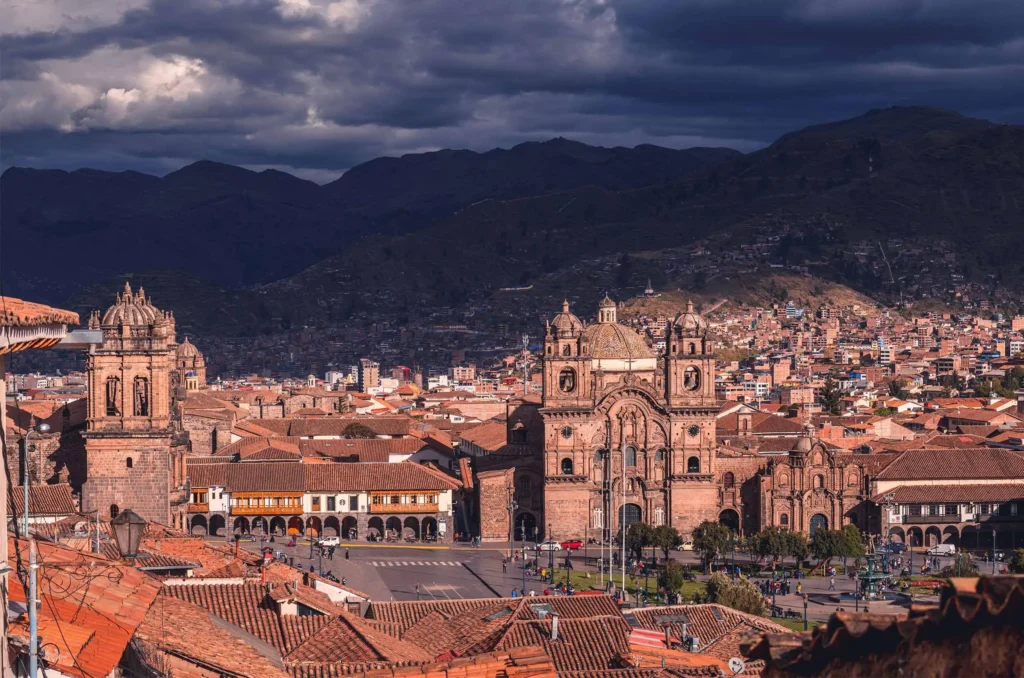
Planning a trip to Cusco? You’re not just visiting a city—you’re stepping into the heart of the ancient Inca Empire. This Cusco travel guide is your complete resource for exploring iconic Inca sites, navigating high-altitude challenges, and making the most of your Peruvian adventure. From Machu Picchu to lesser-known ruins, we’ll cover must-see destinations, practical travel tips, and insider advice to help you experience Cusco like a local. Whether you’re a history buff, an adventure seeker, or a culture lover, this guide ensures you won’t miss a thing.
Why Cusco Is the Gateway to Inca Heritage
Cusco, once the capital of the Inca Empire, remains a living museum of Andean history and culture. Nestled at 3,400 meters (11,150 feet) above sea level in the Peruvian Andes, the city blends colonial Spanish architecture with original Inca stonework. Walking through its cobblestone streets feels like traveling back in time. The city’s UNESCO World Heritage status reflects its global significance, not just for its preserved ruins but for its ongoing role as a cultural and spiritual center for Quechua-speaking communities.
As the primary gateway to Machu Picchu and other sacred Inca sites, Cusco offers more than just archaeological wonders. It’s a hub for traditional markets, vibrant festivals, and authentic cuisine. Visitors can explore ancient temples, hike mountain trails, and connect with indigenous traditions—all within a compact, walkable city. Whether you’re starting your Inca Trail trek or simply soaking in the atmosphere, Cusco sets the stage for an unforgettable journey into one of the world’s most fascinating civilizations.
Top Inca Sites to Visit in and Around Cusco
The region surrounding Cusco is dotted with remarkable Inca ruins, each offering a unique glimpse into the empire’s engineering, spirituality, and urban planning. The most famous, of course, is Machu Picchu, the “Lost City of the Incas.” Perched high in the Andes, this 15th-century citadel features terraced fields, temples, and residential areas built with precision-cut stone. Reaching Machu Picchu requires a train ride from Ollantaytambo or a multi-day trek like the Inca Trail, but the experience is unparalleled.
Closer to Cusco, the Sacred Valley is home to several key Inca sites. Pisac, with its hilltop fortress and agricultural terraces, showcases the Inca mastery of mountain terrain. Ollantaytambo, a living town with an intact Inca layout, features a massive ceremonial center and defensive walls. Other notable ruins include Tipón, known for its advanced irrigation systems, and Pikillacta, a pre-Inca Wari site that influenced later Inca urban design. Each site reveals a different facet of Inca innovation and worldview.
Sacsayhuamán: The Fortress Above Cusco
Perched on a hill overlooking Cusco, Sacsayhuamán is one of the most impressive Inca fortresses. Its zigzagging walls, constructed from massive limestone blocks weighing up to 300 tons, demonstrate extraordinary engineering skill. The stones fit together so precisely that not even a knife blade can slide between them—a testament to Inca masonry. Originally built as a ceremonial and military complex, Sacsayhuamán played a key role in defending the city and hosting important rituals.
Today, visitors can walk among the ruins and enjoy panoramic views of Cusco and the surrounding valleys. The site is especially vibrant during the annual Inti Raymi festival, when locals reenact the Inca Festival of the Sun. Exploring Sacsayhuamán offers not just historical insight but also a chance to appreciate the spiritual significance of the landscape. It’s a must-see for anyone interested in Inca architecture and cosmology.
Qorikancha: The Temple of the Sun
Once the most important religious site in the Inca Empire, Qorikancha (meaning “Golden Enclosure”) was the Temple of the Sun. Covered in gold leaf and dedicated to Inti, the sun god, it was the spiritual heart of Cusco. The Incas adorned its walls with gold and housed sacred artifacts, including a massive golden disc representing the sun. After the Spanish conquest, the temple was dismantled, and the Church of Santo Domingo was built atop its foundations—creating a striking fusion of Inca and colonial architecture.
Today, Qorikancha is one of the best-preserved Inca sites in the city. Visitors can see the original trapezoidal doorways, curved walls, and precise stonework that have withstood centuries of earthquakes. The contrast between the smooth Inca stones and the ornate Catholic altar inside is both jarring and beautiful. A visit to Qorikancha offers a powerful reminder of how Inca spirituality was suppressed yet preserved through resilience and adaptation.
Essential Travel Tips for Visiting Cusco
Traveling to Cusco requires preparation, especially due to its high altitude. Most visitors experience some degree of altitude sickness, known locally as soroche. Symptoms include headaches, nausea, and fatigue. To minimize discomfort, arrive a day or two early to acclimatize. Drink plenty of water, avoid alcohol, and consider drinking coca tea—a traditional remedy that helps your body adjust. Many hotels offer oxygen tanks or altitude sickness medication, so don’t hesitate to ask.
Another key tip is to dress in layers. Cusco’s weather can change rapidly, with sunny mornings turning into chilly, rainy afternoons. Pack a waterproof jacket, warm clothing, and sturdy walking shoes. Sun protection is also essential—the high altitude means stronger UV rays. Don’t forget sunscreen, sunglasses, and a hat. Lastly, carry small bills in Peruvian soles for markets and tips, as many places don’t accept credit cards.
Getting Around Cusco and the Sacred Valley
Cusco is a walkable city, and most major attractions are within a 20-minute walk of the Plaza de Armas. For longer distances, taxis are affordable and widely available—just agree on the fare before starting the ride. Public buses connect Cusco to nearby towns like Pisac and Ollantaytambo, but they can be crowded and confusing for first-time visitors. For more comfort and flexibility, consider hiring a private driver or joining a guided tour.
To reach Machu Picchu, the most popular route is by train from Ollantaytambo, which takes about 1.5 hours. Trains depart from the Poroy station near Cusco or directly from Ollantaytambo. Booking in advance is essential, especially during peak season (May–September). Alternatively, the Inca Trail offers a four-day trek through cloud forests, mountain passes, and ancient ruins. Permits are limited and sell out months ahead, so plan early.
Best Time to Visit Cusco
The ideal time to visit Cusco is during the dry season, from May to September. Days are sunny and warm, perfect for hiking and exploring ruins. Nights can be cold, so pack accordingly. This period also coincides with major festivals like Inti Raymi in June and the Qoyllur Riti pilgrimage in May or June. However, it’s also the busiest time, so expect higher prices and larger crowds.
The rainy season, from November to March, brings afternoon showers and muddy trails. While fewer tourists mean lower prices and more availability, some trekking routes may be closed due to weather. April and October are transitional months with fewer crowds and decent weather—ideal for travelers seeking a balance between comfort and cost.
Cultural Etiquette and Responsible Tourism
Respecting local customs is essential when visiting Cusco and its surrounding communities. Many indigenous people still speak Quechua and maintain traditional lifestyles. When visiting villages or sacred sites, ask for permission before taking photos, especially of people or religious ceremonies. Dress modestly, particularly when entering churches or participating in festivals.
Support local economies by buying handmade crafts directly from artisans, eating at family-run restaurants, and choosing community-based tourism initiatives. Avoid giving money or candy to children, as this can encourage dependency. Instead, consider donating to local schools or NGOs that support education and cultural preservation. Responsible tourism ensures that Cusco’s heritage benefits the people who call it home.
Food and Drink in Cusco
Cusco’s culinary scene blends Andean traditions with Spanish and international influences. Must-try dishes include lomo saltado (stir-fried beef with tomatoes and fries), cuy (roast guinea pig), and quinoa soup. For a lighter option, try chicha morada, a refreshing purple corn drink. Many restaurants offer vegetarian and vegan versions of traditional dishes, so dietary restrictions are rarely an issue.
Don’t miss the San Pedro Market, where locals shop for fresh produce, spices, and handmade goods. Sample exotic fruits like lucuma and chirimoya, or try a cup of coca tea to ease altitude symptoms. For a fine dining experience, book a table at one of Cusco’s upscale restaurants, which often feature fusion cuisine with local ingredients. Remember to tip 10% at restaurants, as service charges are not always included.
Key Takeaways for Your Cusco Adventure
- Acclimatize gradually to avoid altitude sickness—spend a day or two in Cusco before hiking or traveling to higher sites.
- Book Machu Picchu tickets and Inca Trail permits well in advance, especially during peak season.
- Visit must-see Inca sites like Sacsayhuamán, Qorikancha, Pisac, and Ollantaytambo to fully appreciate Inca engineering and culture.
- Respect local customs and support community-based tourism to ensure your visit benefits local communities.
- Pack for variable weather—bring layers, rain gear, and sun protection.
- Use coca tea and hydration to manage altitude symptoms naturally.
- Explore Cusco’s vibrant food scene, from street markets to fine dining.
Conclusion
Cusco is more than a destination—it’s a journey into the soul of the Inca Empire. This Cusco travel guide equips you with everything you need to explore its ancient sites, navigate high-altitude challenges, and immerse yourself in Andean culture. From the awe-inspiring ruins of Machu Picchu to the spiritual energy of Qorikancha, every corner of Cusco tells a story of resilience, innovation, and reverence for nature. With careful planning and cultural sensitivity, your trip can be both transformative and respectful. Whether you’re trekking the Inca Trail or sipping coca tea in a sunlit plaza, Cusco promises an experience that lingers long after you’ve returned home.
FAQs
What is the best way to get to Machu Picchu from Cusco?
The most common way is by train from Ollantaytambo, which takes about 1.5 hours. Trains depart from Poroy station near Cusco or directly from Ollantaytambo. Alternatively, you can hike the Inca Trail, a four-day trek that ends at the Sun Gate with a sunrise view of Machu Picchu. Both options require advance booking.
How can I avoid altitude sickness in Cusco?
To reduce the risk of altitude sickness, arrive a day or two early to acclimatize. Stay hydrated, avoid alcohol, and drink coca tea. Rest frequently, eat light meals, and consider medication like acetazolamide if symptoms persist. Most hotels offer oxygen tanks for emergencies.
Is it safe to travel to Cusco?
Yes, Cusco is generally safe for tourists. Petty theft can occur in crowded areas, so keep your belongings secure and avoid displaying valuables. Stick to well-lit, populated areas at night, and use registered taxis. Always carry a copy of your passport and travel insurance details.
