
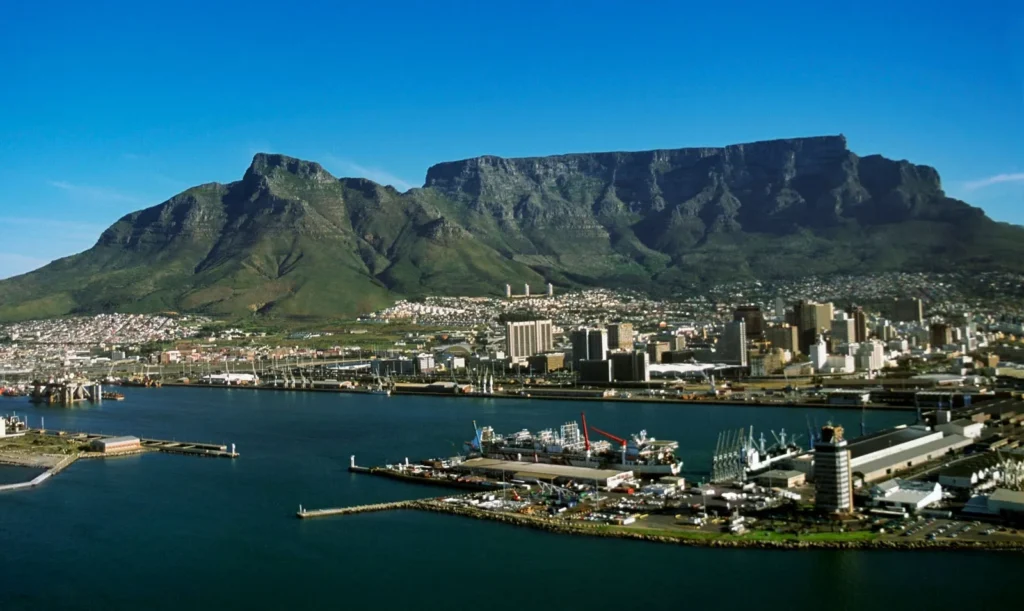
Planning your next adventure? The Ultimate Travel Guide to Cape Town: Top Attractions, Food & Hidden Gems is your go-to resource for exploring one of the world’s most breathtaking cities. Nestled between the Atlantic Ocean and the iconic Table Mountain, Cape Town blends natural beauty, rich culture, and vibrant cuisine into an unforgettable experience. Whether you’re chasing panoramic views, savoring world-class wines, or uncovering secret spots off the beaten path, this guide delivers everything you need to make the most of your trip. From must-see landmarks to local favorites, we’ve curated the best of Cape Town just for you.
Top Attractions in Cape Town
Cape Town is a city where nature and urban life coexist in perfect harmony. At the heart of it all stands Table Mountain, a flat-topped marvel that dominates the skyline and offers some of the most spectacular views in South Africa. Visitors can hike up via various trails like Platteklip Gorge or take the scenic cable car for a smoother ascent. Once at the top, the 360-degree vista includes the city, the ocean, and the distant Cape Winelands. It’s no surprise that this UNESCO World Heritage Site is one of the New7Wonders of Nature.
Just a short drive from the city center lies the Cape of Good Hope, part of the Table Mountain National Park. This rugged stretch of coastline marks where the Atlantic and Indian Oceans meet, offering dramatic cliffs, wild beaches, and abundant wildlife. Don’t miss Cape Point, where you can ride the historic Flying Dutchman Funicular for panoramic views. Nearby, Boulders Beach is home to a colony of African penguins—swim alongside them or walk the boardwalks for an up-close encounter. These attractions form the backbone of any Cape Town itinerary.
Table Mountain: The Crown Jewel of Cape Town
No visit to Cape Town is complete without experiencing Table Mountain. Rising 1,085 meters above sea level, this iconic landmark is more than just a scenic backdrop—it’s a symbol of the city’s spirit and resilience. The mountain is part of a biodiversity hotspot, home to over 1,400 species of fynbos, a unique type of vegetation found only in the Western Cape. Trails like Skeleton Gorge and India Venster offer varying levels of difficulty, catering to both casual walkers and seasoned hikers.
For those who prefer a less strenuous journey, the Table Mountain Aerial Cableway provides a smooth ride to the summit in under five minutes. The rotating cable car ensures every passenger gets a full view during the ascent. At the top, visitors can enjoy walking paths, a restaurant, and viewing platforms. Sunrise and sunset are particularly magical times to visit, when the light casts golden hues across the city and ocean below. Whether you hike or ride, Table Mountain delivers an experience that stays with you long after you leave.
Cape of Good Hope: Where Two Oceans Meet
The Cape of Good Hope is more than a geographical landmark—it’s a place of myth, history, and natural wonder. Located within the Cape of Good Hope Nature Reserve, this area is renowned for its rugged cliffs, crashing waves, and diverse ecosystems. The name originates from Portuguese explorers who believed this point marked the southern tip of Africa and the gateway to the riches of the East. While modern navigation has corrected that belief, the romantic allure of the Cape remains undiminished.
Exploring the reserve reveals hidden coves, secluded beaches, and opportunities to spot baboons, ostriches, and even whales during migration season. The Cape Point Lighthouse, perched on a cliff edge, offers sweeping views and a glimpse into maritime history. The nearby Dias Cross commemorates early European explorers. For adventure seekers, the Cape of Good Hope Trail is a moderate hike that rewards with solitude and stunning coastal scenery. This is where Cape Town’s wild heart beats strongest.
Cape Town Food Scene: A Culinary Adventure
Cape Town’s food scene is as diverse as its population, blending African, Malay, Dutch, and Asian influences into a unique culinary tapestry. From street food to fine dining, the city offers something for every palate. The V&A Waterfront is a hub for food lovers, with restaurants like The Test Kitchen and Willoughby & Co. serving innovative dishes that highlight local ingredients. Seafood is a standout—try the famous Cape Malay curry or fresh snoek grilled over an open flame.
For a truly local experience, head to the Bo-Kaap neighborhood, where colorful houses line the streets and the aroma of spices fills the air. Here, you’ll find family-run eateries serving traditional Cape Malay cuisine, including bobotie (a spiced minced meat bake), samoosas, and koeksisters (sweet, syrupy pastries). Don’t miss a visit to the Bo-Kaap Museum to learn about the community’s rich heritage. Whether you’re dining at a Michelin-starred restaurant or a humble roadside stall, Cape Town’s food tells a story of resilience, fusion, and flavor.
Must-Try Dishes in Cape Town
To truly savor Cape Town, you must taste its iconic dishes. Start with bobotie, a national dish made with spiced minced meat baked with an egg-based topping. It’s often served with yellow rice, chutney, and banana slices—a sweet and savory combination that’s uniquely South African. Another favorite is biltong, a dried, cured meat snack similar to jerky but with a richer flavor profile. It’s perfect for hiking or as a bar snack with a cold beer.
Seafood lovers will rejoice at the abundance of fresh catches. Snoek, a local fish, is often grilled and served with apricot glaze or in a curry. Ostrich is another local specialty—lean and flavorful, it’s often grilled or used in burgers. For dessert, try malva pudding, a warm, sticky sponge cake drenched in sweet sauce and served with custard or ice cream. These dishes reflect Cape Town’s multicultural roots and are essential stops on any food tour.
Best Restaurants and Food Markets
Cape Town’s dining scene is led by a wave of innovative chefs who are redefining South African cuisine. The Test Kitchen, located in the Old Biscuit Mill, is consistently ranked among the best restaurants in Africa. Its tasting menu blends global techniques with local flavors, offering dishes like Karoo lamb with fermented vegetables and Cape Malay spices. Another standout is La Colombe, set in a serene vineyard in Constantia, where French-inspired dishes meet South African ingredients.
For a more casual experience, visit the Old Biscuit Mill in Woodstock, a bustling weekend market filled with food stalls, craft vendors, and live music. Try gourmet burgers at The Butcher Shop, wood-fired pizza at La Cucina, or artisanal cheeses and charcuterie at The Cheese Room. The V&A Food Market is another hotspot, offering everything from sushi to vegan street food. These markets capture the energy and creativity of Cape Town’s evolving food culture.
Hidden Gems in Cape Town: Off-the-Beaten-Path Experiences
While Table Mountain and the V&A Waterfront draw crowds, Cape Town is full of lesser-known treasures waiting to be discovered. One such gem is Kirstenbosch National Botanical Garden, located on the eastern slopes of Table Mountain. This 36-hectare garden showcases the incredible diversity of South African flora, including rare fynbos species. The Centenary Tree Canopy Walkway, known as the “Boomslang,” offers a suspended walk through the treetops with stunning views of the city and mountains.
Another hidden gem is Kalk Bay, a charming fishing village nestled between mountains and sea. This bohemian enclave is known for its antique shops, independent bookstores, and cozy cafes. Stroll along the harbor, watch fishermen unload their catch, or enjoy a seafood lunch at Harbour House, which offers panoramic ocean views. The nearby St. James Beach, with its colorful Victorian bathing boxes, is perfect for a quiet swim or sunset walk. Kalk Bay feels like a step back in time, far from the city’s hustle.
Secret Beaches and Coastal Walks
Beyond the popular beaches like Camps Bay and Clifton, Cape Town hides quieter shores ideal for relaxation and exploration. Beta Beach, accessible via a short hike from Llandudno, is a secluded cove with soft sand and turquoise waters. It’s less crowded and perfect for swimming or sunbathing. Another favorite is Oudekraal Beach, a protected cove with calm waters and excellent snorkeling opportunities. The nearby Oudekraal Nature Reserve offers hiking trails with views of the coastline and Table Mountain.
For a unique coastal experience, take the Chapman’s Peak Drive, one of the most scenic drives in the world. This winding road hugs the cliffs between Hout Bay and Noordhoek, offering breathtaking ocean views at every turn. Stop at the viewpoints for photos or a picnic. At the end of the drive, Noordhoek Beach stretches for miles, often deserted and perfect for long walks or horseback riding. These hidden coastal spots offer peace and natural beauty away from the tourist trails.
Cultural and Artistic Hideaways
Cape Town’s creative spirit shines in its hidden cultural spaces. The Groot Constantia estate, South Africa’s oldest wine farm, is more than just a vineyard—it’s a living museum of colonial architecture and winemaking history. Visit the manor house, explore the wine cellars, and enjoy a tasting of the estate’s famous Constantia dessert wine. The surrounding gardens offer peaceful walks and views of the vineyards.
In the heart of the city, the District Six Museum tells the powerful story of a community forcibly removed during apartheid. Through photographs, personal accounts, and interactive exhibits, it preserves the memory of a vibrant neighborhood lost to injustice. Nearby, the Zeitz Museum of Contemporary Art Africa (MOCAA) in the V&A Waterfront is the largest museum of contemporary African art in the world. Housed in a repurposed grain silo, it features works by emerging and established African artists. These cultural gems offer deep insight into Cape Town’s past and present.
Best Time to Visit Cape Town
The ideal time to visit Cape Town depends on your interests, but generally, the best weather occurs between October and April, during the Southern Hemisphere’s summer. This period offers warm, dry days perfect for outdoor activities like hiking, beach visits, and wine tours. December and January are peak tourist months, so expect larger crowds and higher prices. If you prefer fewer tourists and lower rates, consider visiting in March or April, when the weather is still pleasant and the autumn colors begin to appear.
Winter, from June to August, brings cooler temperatures and more rainfall, but it’s also the best time for whale watching along the coast. Hermanus, a short drive from Cape Town, is one of the best places in the world to see southern right whales up close. Winter is also ideal for indoor experiences like museum visits, wine tastings, and cozy dinners. Regardless of when you visit, Cape Town’s mild Mediterranean climate ensures there’s always something to enjoy.
Seasonal Highlights and Events
Each season in Cape Town brings its own charm and events. In summer, the city hosts outdoor festivals like the Cape Town International Jazz Festival and Open Book Festival, celebrating music, literature, and arts. The Kirstenbosch Summer Sunset Concerts are a beloved tradition, where locals gather on the lawns for live music under the stars. These events showcase the city’s vibrant cultural scene.
During autumn, the Cape Winelands come alive with harvest festivals and wine tastings. Visit Stellenbosch or Franschhoek for vineyard tours, gourmet dining, and scenic drives through rolling hills. In winter, the Whale Festival in Hermanus draws visitors from around the world. Spring, from September to November, is wildflower season in the Western Cape, with the Karoo and West Coast National Park bursting into color. No matter the season, Cape Town offers unique experiences year-round.
Key Takeaways
- Table Mountain is a must-visit, whether you hike or take the cable car for panoramic views.
- The Cape of Good Hope offers dramatic coastal scenery and wildlife encounters.
- Cape Town’s food scene blends African, Malay, and European influences—try bobotie, snoek, and malva pudding.
- Hidden gems like Kirstenbosch Gardens, Kalk Bay, and Beta Beach offer peaceful escapes from the crowds.
- The best time to visit is October to April for warm weather, or June to August for whale watching.
- Don’t miss cultural sites like the District Six Museum and Zeitz MOCAA for a deeper understanding of the city.
Conclusion
The Ultimate Travel Guide to Cape Town: Top Attractions, Food & Hidden Gems reveals a city of stunning contrasts—where mountains meet the sea, history meets innovation, and tradition meets modernity. From the iconic slopes of Table Mountain to the quiet charm of Kalk Bay, Cape Town offers endless opportunities for discovery. Its diverse cuisine, rich culture, and natural beauty make it a destination that appeals to all kinds of travelers. Whether you’re seeking adventure, relaxation, or cultural immersion, Cape Town delivers an experience that is as unforgettable as it is authentic. Start planning your journey today and uncover the magic of this extraordinary city.
FAQ
What are the top attractions to visit in Cape Town?
The top attractions include Table Mountain, the Cape of Good Hope, Boulders Beach (home to African penguins), and the V&A Waterfront. Each offers unique experiences, from hiking and wildlife encounters to shopping and dining.
What is the best time of year to visit Cape Town?
The best time is during the Southern Hemisphere summer, from October to April, when the weather is warm and dry. Winter (June to August) is ideal for whale watching and indoor cultural activities.
What are some must-try foods in Cape Town?
Must-try dishes include bobotie (spiced minced meat bake), snoek (grilled fish), biltong (cured meat), and malva pudding (sticky sponge cake). Cape Malay cuisine, especially in Bo-Kaap, is also highly recommended.
