
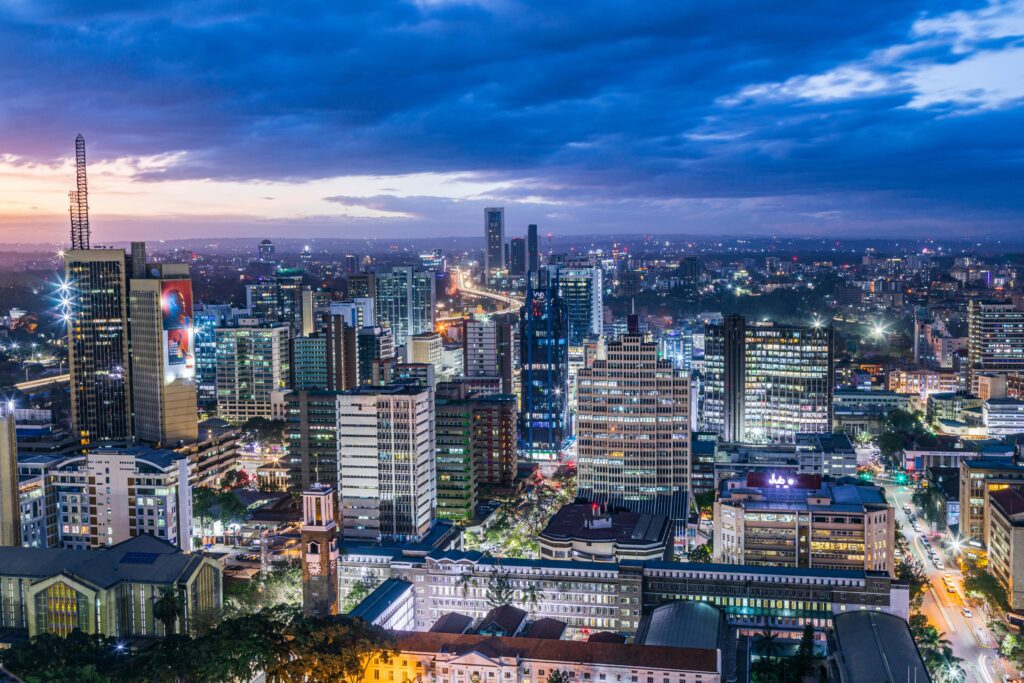
Nairobi isn’t just Kenya’s bustling capital—it’s a vibrant gateway to unforgettable adventures, rich cultural heritage, and urban energy unlike anywhere else in Africa. Whether you’re drawn to thrilling safaris just minutes from the city center, immersive cultural experiences with local communities, or the pulse of modern city life, Nairobi delivers it all. From world-class wildlife reserves to historic museums and lively markets, the best things to do in Nairobi blend nature, tradition, and metropolitan charm into one dynamic destination. This guide reveals exactly how to experience the city’s top attractions, hidden gems, and must-see highlights.
Explore Nairobi National Park: A Safari Like No Other
Nairobi National Park stands out as one of the few wildlife reserves in the world located within a major city. Just a 15-minute drive from downtown, this 117-square-kilometer park offers an authentic safari experience without the need for long travel. Visitors can spot lions, cheetahs, buffaloes, and even endangered black rhinos roaming freely against a dramatic backdrop of acacia trees and open plains. The park’s proximity to the city skyline creates a surreal contrast—wild animals grazing beneath skyscrapers.
Game drives are the most popular way to explore, with guided tours available from early morning to late afternoon. The park’s southern gate leads directly to the Athi-Kapiti plains, where migratory herds gather during the dry season. Birdwatchers will delight in over 500 species, including ostriches, secretary birds, and various raptors. For a unique perspective, consider a walking safari along the nature trails or a visit to the Nairobi Animal Orphanage, located within the park, where injured and orphaned animals are rehabilitated before release.
Immerse Yourself in Nairobi’s Rich Cultural Heritage
Nairobi’s cultural scene is as diverse as its population, reflecting influences from over 40 ethnic communities. A visit to the National Museum of Kenya is essential for understanding the country’s prehistoric roots, including the discovery of early human fossils in nearby Turkana. The museum’s ethnography section showcases traditional artifacts, musical instruments, and ceremonial attire, offering deep insight into Kenya’s tribal heritage. Don’t miss the adjacent Snake Park, home to native reptiles and amphibians.
For a more interactive experience, head to the Karen Blixen Museum, located in the former home of the Danish author of *Out of Africa*. Set in a colonial-era farmhouse surrounded by lush gardens, the museum preserves the legacy of colonial Kenya while highlighting the complex history of land and identity. Nearby, the Bomas of Kenya cultural village presents live performances of traditional dances, crafts demonstrations, and replica homesteads from different ethnic groups. These experiences provide a respectful and engaging way to connect with Kenya’s living traditions.
Experience the Pulse of Nairobi’s City Life
Nairobi’s urban energy is infectious, blending modernity with African flair. The city’s skyline, dominated by glass towers and bustling business districts, reflects its status as East Africa’s economic hub. Start your city exploration at Kenyatta International Conference Centre (KICC), a landmark offering panoramic views from its helipad. The surrounding Central Business District pulses with activity—street vendors, matatus (colorful minibuses), and professionals rushing between meetings.
For shopping and dining, Westlands and Kilimani are hotspots. Westlands boasts upscale malls like The Hub and Sarit Centre, international restaurants, and vibrant nightlife. Kilimani, a residential and commercial hub, is known for its trendy cafes, art galleries, and co-working spaces. Don’t miss Maasai Market, a pop-up bazaar held in different locations each day, where you can buy handcrafted jewelry, batik fabrics, and souvenirs directly from local artisans.
Art and music thrive in Nairobi’s creative districts. The Goethe-Institut and Nairobi Gallery frequently host contemporary exhibitions, while live music venues like Alchemist and Shamba showcase Afro-jazz, hip-hop, and electronic beats. Street art has also flourished, with murals adorning walls in neighborhoods like Kibera and Eastlands, turning the city into an open-air gallery.
Discover Nairobi’s Natural Wonders and Outdoor Adventures
Beyond the city’s concrete landscape lies a surprising array of natural escapes. Karura Forest, one of the largest urban forests in the world, spans over 1,000 hectares and offers serene walking and biking trails. The forest is home to waterfalls, caves, and diverse birdlife, making it a favorite among nature lovers and fitness enthusiasts. Guided walks are available, and the forest’s conservation efforts highlight Nairobi’s commitment to environmental sustainability.
For panoramic city views, hike up Ngong Hills, located just outside Nairobi. The rolling hills, part of the Great Rift Valley escarpment, provide a challenging yet rewarding trek with sweeping vistas of the capital and distant plains. The area is also significant in Maasai culture, adding a layer of spiritual meaning to the landscape. Early morning hikes are recommended to avoid afternoon heat and enjoy the golden light over the city.
Water-based adventures are also accessible. Lake Naivasha, about a two-hour drive from Nairobi, is a freshwater lake surrounded by lush vegetation and home to hippos, fish eagles, and floating gardens. Boat rides, birdwatching, and visits to nearby Crescent Island—a predator-free sanctuary—offer peaceful retreats from city life. For a more adrenaline-fueled experience, try hot air ballooning over the Maasai Mara, departing early from Nairobi and landing in the reserve for a champagne breakfast.
Indulge in Nairobi’s Food, Markets, and Local Flavors
Nairobi’s culinary scene is a melting pot of African, Asian, and European influences. Start your food journey with nyama choma (grilled meat), a national favorite best enjoyed at local joints like Carnivore Restaurant, famous for its all-you-can-eat meat buffet. For a more refined experience, try Talisman in Karen, known for its farm-to-table cuisine and elegant ambiance. Street food is equally enticing—sample samosas, mandazi (sweet fried dough), and roasted maize from roadside vendors.
Markets are the heart of Nairobi’s food culture. Gikomba Market, the largest secondhand clothing market in East Africa, also features vibrant food stalls selling fresh produce, spices, and ready-to-eat meals. Nakumatt and Tuskys supermarkets offer international groceries, while specialty stores like Java House and Artcaffe serve artisanal coffee and pastries. Don’t leave without trying chai (spiced tea) and mandazi at a local café—it’s a Nairobi ritual.
For a taste of regional diversity, explore ethnic neighborhoods. Eastleigh is known for its Somali cuisine, with dishes like canjeero (sourdough pancake) and suqaar (spiced beef stir-fry). South C and South B neighborhoods offer Ethiopian and Eritrean restaurants serving injera with flavorful stews. Food tours, such as those offered by Nairobi Food Tours, provide guided tastings and insights into the city’s culinary evolution.
Key Takeaways
- Nairobi National Park offers a unique urban safari experience with lions, rhinos, and migratory birds just minutes from the city center.
- Explore Kenya’s cultural roots at the National Museum, Karen Blixen Museum, and Bomas of Kenya for authentic traditions and history.
- Experience vibrant city life in districts like Westlands and Kilimani, with shopping, dining, and nightlife.
- Escape into nature at Karura Forest and Ngong Hills for hiking, biking, and stunning views.
- Savor Nairobi’s diverse cuisine at local markets, street food stalls, and upscale restaurants featuring Kenyan and international flavors.
Frequently Asked Questions
Is Nairobi safe for tourists?
Nairobi is generally safe for tourists, especially in well-trafficked areas like Westlands, Karen, and Kilimani. However, it’s wise to avoid walking alone at night in unfamiliar neighborhoods and to use trusted taxi services like Uber or Little Cab. Always keep valuables secure and stay aware of your surroundings.
How many days do I need to explore Nairobi?
A minimum of 3 to 4 days is ideal to experience the best things to do in Nairobi. This allows time for a safari at Nairobi National Park, cultural visits, city exploration, and a day trip to nearby attractions like Lake Naivasha or the Maasai Mara. Extend your stay if you plan to hike Ngong Hills or attend a cultural festival.
What is the best time to visit Nairobi?
The best time to visit Nairobi is during the dry seasons—January to March and July to October. These months offer pleasant weather, clear skies, and optimal conditions for safaris and outdoor activities. Wildlife viewing is particularly good during the dry periods when animals gather around water sources.
Conclusion
Nairobi is a city of contrasts—where skyscrapers meet savannahs, ancient traditions blend with modern innovation, and every corner tells a story. The best things to do in Nairobi span thrilling wildlife encounters, deep cultural immersion, and the vibrant rhythm of urban life. Whether you’re tracking lions in Nairobi National Park, sipping chai at a local market, or dancing to Afrobeat in a rooftop bar, the city offers an authentic and unforgettable African experience. With its accessibility, diversity, and energy, Nairobi isn’t just a stopover—it’s a destination that captivates and inspires. Plan your journey today and discover why this dynamic capital continues to charm travelers from around the world.
