
Amman, the vibrant capital of Jordan, is a city where ancient history and modern energy collide. For travelers seeking a rich cultural experience, the top attractions in Amman offer everything from Roman ruins to bustling markets and panoramic viewpoints. Whether you’re exploring millennia-old citadels or savoring traditional Jordanian cuisine, Amman delivers an unforgettable journey. This complete travel guide covers the must-see landmarks, hidden gems, and practical tips to help you make the most of your visit to one of the Middle East’s most dynamic cities.
Why Visit Amman? The Heart of Jordan’s Culture and History
Amman isn’t just Jordan’s political and economic hub—it’s the cultural soul of the country. Nestled in the highlands, the city blends seven ancient hills with modern neighborhoods, creating a layered urban landscape that tells stories from the Bronze Age to the present. The top attractions in Amman reflect this deep historical tapestry, offering visitors a chance to walk through Roman theaters, explore Islamic-era citadels, and experience contemporary Jordanian life in lively souks and cafes.
What sets Amman apart is its authenticity. Unlike overly commercialized tourist destinations, Amman retains a local charm that invites genuine connection. You’ll hear Arabic and English mingling in street conversations, see families gathering in public gardens, and smell freshly baked khubz (flatbread) wafting from neighborhood bakeries. This blend of tradition and modernity makes Amman a compelling destination for history buffs, food lovers, and culture seekers alike.
Exploring the Citadel: Amman’s Ancient Crown Jewel
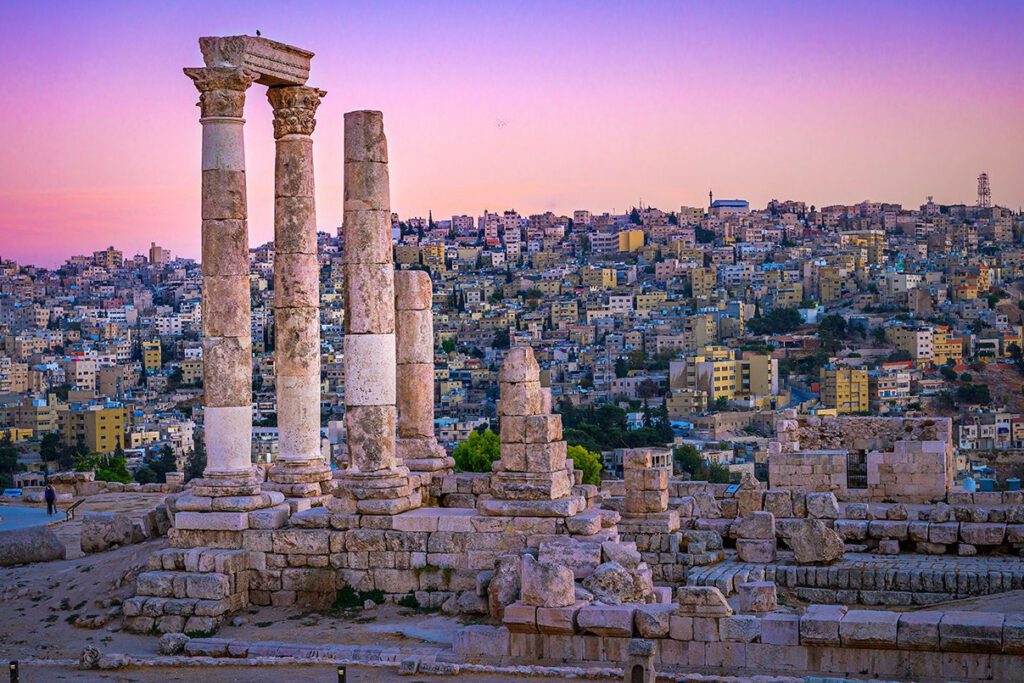
Perched atop Jabal al-Qala’a (the Citadel Hill), the Amman Citadel is one of the city’s most significant archaeological sites. Dating back over 7,000 years, this ancient complex has been home to numerous civilizations, including the Ammonites, Romans, Byzantines, and Umayyads. Today, visitors can explore the remains of temples, churches, and palaces that once stood as symbols of power and faith.
The star of the Citadel is the Temple of Hercules, a Roman structure partially reconstructed with massive marble columns. Nearby, the Umayyad Palace complex offers a glimpse into early Islamic architecture, with its grand courtyards and intricate mosaics. The Jordan Archaeological Museum, located within the Citadel grounds, houses artifacts spanning prehistoric times to the Islamic period, including the famous “Ain Ghazal statues”—some of the world’s oldest human figures.
The Roman Theater: A Monument to Classical Grandeur
Just a short walk from the Citadel, the Roman Theater stands as a testament to Amman’s importance during the Roman Empire. Built in the 2nd century AD under Emperor Antoninus Pius, this well-preserved amphitheater could seat up to 6,000 spectators. It was designed to host theatrical performances, public assemblies, and gladiatorial games, reflecting the cultural sophistication of Roman Philadelphia (Amman’s ancient name).
Today, the theater is still used for cultural events, concerts, and festivals, making it a living monument rather than a static relic. Visitors can climb the tiered seating for panoramic views of downtown Amman and the surrounding hills. The adjacent Museum of Popular Traditions and the Folklore Museum offer deeper insights into Jordanian heritage, displaying traditional costumes, musical instruments, and household items that illustrate daily life across generations.
Rainbow Street: The Trendy Hub of Modern Amman
For a taste of contemporary Amman, head to Rainbow Street—a lively thoroughfare that buzzes with cafes, art galleries, boutiques, and street performers. This pedestrian-friendly zone is a favorite among locals and tourists alike, offering a relaxed atmosphere where you can sip Arabic coffee, shop for handmade crafts, or people-watch from a sidewalk terrace.
Rainbow Street is also a gateway to other attractions. From here, you can access the Jordan National Gallery of Fine Arts, which showcases both traditional and modern Middle Eastern art. The street comes alive in the evenings, with food trucks serving falafel, shawarma, and knafeh, and live music filling the air. It’s the perfect place to experience Amman’s creative energy and cosmopolitan flair.
Abdali Boulevard: Amman’s Modern Urban Oasis
Just a few blocks from the Roman Theater, Abdali Boulevard represents Amman’s forward-looking vision. This open-air shopping and entertainment district features sleek architecture, international brands, and landscaped plazas. Opened in 2016, Abdali is designed to be a social hub where locals gather for shopping, dining, and events.
Beyond retail, Abdali hosts seasonal festivals, outdoor concerts, and art installations. The area is particularly popular during Ramadan and national holidays, when the boulevard is illuminated with lights and filled with families enjoying late-night meals. While it lacks the historical depth of older districts, Abdali offers a glimpse into Amman’s aspirations as a modern, connected city.
Jabal al-Weibdeh: The Bohemian Quarter
Tucked behind the Citadel, Jabal al-Weibdeh is Amman’s artistic and bohemian heart. This hillside neighborhood is known for its colorful murals, independent galleries, and vintage shops. Once a residential area for middle-class families, it has transformed into a creative enclave where artists, writers, and musicians gather.
Strolling through its narrow alleys, you’ll discover restored Ottoman-era houses, cozy book cafes, and pop-up art exhibitions. The neighborhood also hosts the annual Amman International Book Fair and various cultural festivals. For travelers seeking authenticity and local flavor, Jabal al-Weibdeh offers a refreshing alternative to more touristy zones.
The Jordan Museum: A Journey Through Time
The Jordan Museum, located near Ras al-Ayn, is the country’s premier cultural institution. It houses the most comprehensive collection of Jordanian artifacts, from prehistoric tools to Islamic manuscripts. One of its most famous exhibits is the Dead Sea Scrolls, including fragments of the oldest known biblical texts.
The museum is designed with modern architecture and interactive displays, making it accessible and engaging for all ages. Highlights include the reconstructed Ain Ghazal statues, a detailed model of ancient Petra, and a section dedicated to Jordan’s role in the Islamic Golden Age. A visit here provides essential context for understanding the historical significance of the top attractions in Amman and Jordan as a whole.
Al Balad: The Old City’s Timeless Charm
Al Balad, or the Old City, is the historic core of Amman. Its labyrinthine streets are lined with traditional shops, spice vendors, and centuries-old buildings. This area has been continuously inhabited since antiquity and remains a vital part of the city’s identity.
Wandering through Al Balad, you’ll pass by the Nymphaeum—a Roman public fountain—and the Odeon, a small theater used for performances and lectures. The souks here sell everything from handwoven textiles to aromatic spices like za’atar and sumac. Don’t miss the chance to try a traditional meal at a local restaurant, where dishes like mansaf (Jordan’s national dish) are served with pride.
King Abdullah I Mosque: A Symbol of Faith and Unity
Dominating the skyline with its striking blue dome and towering minarets, the King Abdullah I Mosque is one of Amman’s most iconic landmarks. Completed in 1989, it was built in honor of the founder of modern Jordan and serves as a place of worship and national pride.
Non-Muslim visitors are welcome outside prayer times and can tour the interior, which features intricate Islamic calligraphy, marble floors, and a vast prayer hall. The mosque’s architecture blends modern design with traditional Ottoman and Andalusian influences. It’s a peaceful retreat from the city’s hustle and a powerful symbol of Jordan’s moderate and inclusive approach to Islam.
Amman’s Parks and Green Spaces
Despite its urban density, Amman offers several green spaces where visitors can relax and recharge. The most notable is King Hussein Park, a sprawling recreational area with walking trails, playgrounds, and picnic spots. It’s a favorite among families and joggers, especially during cooler months.
Another gem is Al Hussein Public Parks, a network of gardens that includes the Children’s City interactive science center. These parks provide a much-needed escape from the city’s traffic and noise, offering shaded areas, fountains, and seasonal flower displays. They’re perfect for a quiet afternoon or a morning stroll.
Traditional Markets and Souks: A Shopper’s Paradise
No visit to Amman is complete without exploring its traditional markets. The Gold Souk in downtown Amman is a dazzling display of intricate jewelry, where artisans craft pieces using techniques passed down through generations. Nearby, the Spice Market fills the air with the scent of cardamom, cinnamon, and saffron.
For unique souvenirs, visit the Friday Market (Souq al-Juma), where local vendors sell handmade pottery, embroidered textiles, and organic honey. These markets not only offer shopping opportunities but also a chance to interact with Ammanites and learn about their crafts and traditions.
Culinary Delights: Tasting Amman’s Flavors
Amman’s food scene is a highlight for many travelers. The city is renowned for its street food, with falafel, shawarma, and hummus available at nearly every corner. For a sit-down experience, try Hashem Restaurant in downtown Amman—a no-frills eatery famous for its affordable and delicious meals.
Upscale dining options are also abundant, particularly in areas like Abdoun and Sweifieh. Restaurants here serve modern interpretations of Jordanian cuisine, often with a Mediterranean twist. Don’t leave without trying knafeh, a sweet cheese pastry soaked in syrup, best enjoyed at Habibah Sweets in Jabal al-Weibdeh.
Practical Tips for Visiting Amman
When planning your trip, keep in mind that Amman is a walkable city, but traffic can be heavy. Public transportation is limited, so taxis and ride-sharing apps like Careem are convenient options. The city is generally safe, but it’s wise to dress modestly, especially when visiting religious sites.
The best time to visit is during spring (March to May) or autumn (September to November), when the weather is mild and ideal for sightseeing. Summers can be hot, while winters are cool and occasionally rainy. Most attractions are open daily, though hours may vary during Ramadan.
Key Takeaways
- The top attractions in Amman blend ancient history with modern culture, offering a rich and diverse travel experience.
- Must-see sites include the Citadel, Roman Theater, Rainbow Street, and the Jordan Museum.
- Amman’s neighborhoods—like Jabal al-Weibdeh and Al Balad—provide authentic local experiences away from tourist crowds.
- The city’s food, markets, and green spaces add depth and comfort to any itinerary.
- Travelers should plan for moderate weather, respectful attire, and flexible transportation options.
Conclusion
Amman is more than just a stopover on the way to Petra or the Dead Sea—it’s a destination worthy of exploration in its own right. The top attractions in Amman reveal a city layered with history, culture, and hospitality. From the ancient stones of the Citadel to the vibrant energy of Rainbow Street, every corner tells a story. Whether you’re a history enthusiast, a food lover, or simply curious about Middle Eastern life, Amman offers a journey that is as enlightening as it is enjoyable. With this complete travel guide, you’re ready to discover the best of Jordan’s capital.
FAQ
What are the must-see attractions in Amman?
The must-see attractions include the Amman Citadel, Roman Theater, Rainbow Street, Jordan Museum, King Abdullah I Mosque, and the traditional markets in Al Balad. These sites offer a mix of ancient history, cultural experiences, and modern urban life.
Is Amman safe for tourists?
Yes, Amman is generally safe for tourists. The city has a low crime rate, and locals are known for their hospitality. However, it’s advisable to stay aware of your surroundings, especially in crowded areas, and to respect local customs, particularly regarding dress and behavior at religious sites.
What is the best time of year to visit Amman?
The best time to visit Amman is during spring (March to May) or autumn (September to November), when temperatures are mild and ideal for outdoor exploration. Summers can be hot, while winters are cool and occasionally rainy.
