
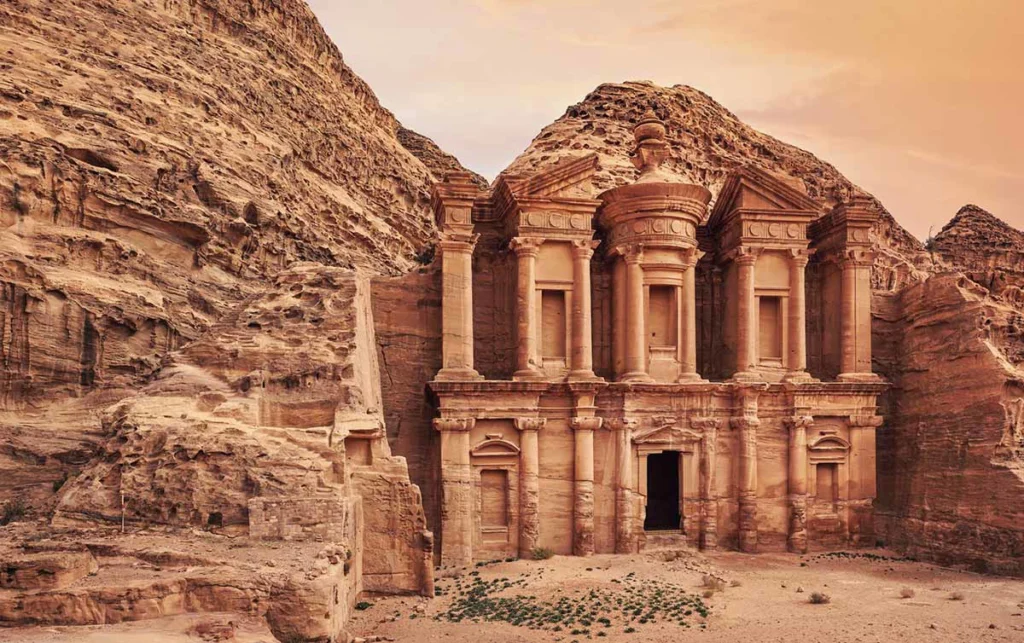
Imagine walking through a narrow, winding canyon carved by nature and time, only to emerge into a breathtaking sight—rose-red facades sculpted directly into towering cliffs. This is the magic of exploring the ancient city of Petra, a UNESCO World Heritage Site nestled in southern Jordan. Once the thriving capital of the Nabataean Kingdom, Petra stands today as one of the world’s most iconic archaeological wonders. From its legendary Treasury to its hidden tombs and intricate water systems, every corner of this desert city tells a story of ancient engineering, trade, and cultural fusion. Whether you’re a history buff, an adventure traveler, or simply in awe of human ingenuity, Petra offers an unforgettable journey into the heart of antiquity.
Where Is Petra Located and Why It Matters
The ancient city of Petra is located in the Ma’an Governorate of southern Jordan, nestled within a rugged desert canyon known as Wadi Musa. This strategic location placed it at the crossroads of major trade routes linking Arabia, Egypt, and the Mediterranean. The Nabataeans, the ancient Arab people who built Petra, capitalized on this geographic advantage to become master traders of frankincense, myrrh, and spices. Their control over water sources in an arid landscape further solidified Petra’s importance as a commercial and cultural hub.
Petra’s remote setting contributed to its preservation and mystique. Hidden from view by surrounding mountains, the city remained largely unknown to the Western world until Swiss explorer Johann Ludwig Burckhardt rediscovered it in 1812. Today, Petra is not only a symbol of Jordan’s rich heritage but also a testament to sustainable urban planning in harsh environments. Its location continues to draw scholars, archaeologists, and travelers eager to understand how ancient civilizations thrived in challenging terrains.
The History Behind Petra: From Nabataean Capital to Global Icon
The history of Petra dates back to at least the 4th century BCE, when the Nabataeans established it as their capital. Originally nomadic tribes, the Nabataeans gradually settled and developed a sophisticated society centered around trade and agriculture. They mastered hydraulic engineering, creating an intricate system of dams, cisterns, and channels that allowed them to harness seasonal floods and store water for dry periods. This innovation enabled Petra to support a population of up to 20,000 people at its peak.
Under Roman rule in 106 CE, Petra continued to flourish as part of the Roman Empire’s eastern provinces. However, shifting trade routes and natural disasters, including a devastating earthquake in 363 CE, led to its gradual decline. By the 7th century, Petra had been largely abandoned, fading into legend until its rediscovery in the 19th century. Today, the site serves as a living museum, offering insights into Nabataean religion, art, and daily life. Exploring the ancient city of Petra means walking in the footsteps of traders, priests, and rulers who shaped the region’s history.
Must-See Highlights When Exploring the Ancient City of Petra
No visit to Petra is complete without witnessing the iconic Al-Khazneh, or the Treasury. Carved directly into the sandstone cliff face, this elaborate façade stands over 40 meters tall and features intricate Hellenistic architectural details. Originally believed to hold hidden treasure, the structure is actually a royal tomb, possibly belonging to the Nabataean king Aretas III. The play of light on the rose-red stone at sunrise creates a mesmerizing effect, making it one of the most photographed sites in the world.
Beyond the Treasury, the Siq—the narrow gorge that serves as the main entrance—sets the tone for the entire experience. Stretching nearly 1.2 kilometers, the Siq is flanked by towering cliffs rising up to 80 meters high. Ancient Nabataean carvings, water channels, and niches for deities line the path, offering glimpses into the spiritual and practical life of the city’s inhabitants. As you walk through this natural corridor, the anticipation builds, culminating in the dramatic reveal of the Treasury at the end.
Further into the site lies the Street of Facades, a row of tomb entrances carved into the cliffside. These tombs, though less ornate than the Treasury, provide valuable clues about Nabataean burial practices and social hierarchy. The Royal Tombs, including the Urn Tomb, Silk Tomb, and Corinthian Tomb, showcase the evolution of architectural styles influenced by Greek, Roman, and Egyptian traditions. Each structure reflects the cultural syncretism that defined Petra’s golden age.
Petra by Night: A Magical Experience Under the Stars
For those seeking a truly unique experience, Petra by Night offers a different perspective on the ancient city. Held three nights a week, this evening event invites visitors to walk through the Siq illuminated by over 1,800 flickering candles. The soft glow transforms the canyon into a mystical passageway, enhancing the sense of mystery and reverence. At the Treasury, a traditional zarqawi music performance accompanies a storytelling session about Petra’s legends and history.
Petra by Night is not just a visual spectacle—it’s a sensory journey. The silence of the desert night, the scent of candle wax, and the distant echo of footsteps create an atmosphere unlike any daytime visit. While the event is more atmospheric than educational, it deepens the emotional connection many feel when exploring the ancient city of Petra. It’s a reminder that Petra is not just a collection of ruins, but a place imbued with spirit and memory.
Visitors should note that Petra by Night requires a separate ticket and has limited capacity. Arriving early ensures a better spot along the path, and wearing warm clothing is recommended as desert temperatures drop significantly at night. The experience typically lasts about two hours and ends with a cup of sweet mint tea, a nod to Jordanian hospitality.
Practical Tips for Exploring the Ancient City of Petra
Exploring the ancient city of Petra requires careful planning, especially given its vast size and rugged terrain. The site spans over 264 square kilometers, with many key attractions located several kilometers from the entrance. Most visitors spend at least one full day exploring the main trail, but dedicated travelers often extend their stay to two or three days to fully appreciate the site’s depth.
Comfortable walking shoes are essential, as the terrain includes uneven paths, sand, and steep climbs. The main route from the visitor center to the Treasury is about 2 kilometers one way, but reaching sites like the Monastery (Ad Deir) adds another 8 kilometers round trip. Many travelers hire local guides or use donkey, camel, or horse rides for assistance, particularly on uphill sections. However, it’s important to ensure animals are treated humanely and that rides are arranged through official channels.
Hydration is critical—carry at least 2–3 liters of water per person, especially during summer months when temperatures can exceed 35°C (95°F). Sun protection, including hats, sunglasses, and sunscreen, is also vital. The Petra Archaeological Park opens at 6:00 AM, and arriving early helps avoid crowds and the midday heat. Sunset visits offer cooler temperatures and stunning lighting for photography.
Cultural Significance and Preservation Efforts
Petra is more than an archaeological site—it is a symbol of cultural identity for Jordanians and a source of national pride. Recognized as one of the New Seven Wonders of the World in 2007, Petra has become a global icon of heritage and resilience. Its inclusion on the UNESCO World Heritage List in 1985 underscored its outstanding universal value, not only for its architectural marvels but also for its role in understanding ancient trade, religion, and urban planning.
Preserving Petra presents ongoing challenges. Natural erosion, flash floods, and increasing tourism pressure threaten the integrity of the site. The Petra National Trust and international organizations work closely with Jordan’s Department of Antiquities to implement conservation strategies. These include monitoring structural stability, managing visitor flow, and restoring damaged monuments using traditional techniques. Community involvement is also key—local Bedouin tribes, particularly the Bdoul, play a vital role in site stewardship and cultural interpretation.
Efforts to balance tourism with preservation are ongoing. The Petra Development and Tourism Region Authority has introduced timed entry systems, improved infrastructure, and launched educational programs to promote responsible travel. Visitors are encouraged to stay on marked paths, avoid touching carvings, and support local businesses. By respecting the site and its people, travelers contribute to the long-term survival of this ancient wonder.
Petra Beyond the Main Trail: Hidden Gems and Lesser-Known Sites
While the Treasury and Monastery dominate most itineraries, Petra holds many lesser-known treasures for those willing to venture off the beaten path. The High Place of Sacrifice, located atop a mountain ridge, offers panoramic views of the city and surrounding desert. Reached via a steep but rewarding hike, this ceremonial site features altars, rock carvings, and a sacred spring, providing insight into Nabataean religious practices.
The Garden Temple Complex, recently excavated, reveals evidence of advanced landscaping and water management. This area likely served as a royal garden and ceremonial space, complete with pools, channels, and ornamental plants. Its discovery highlights the Nabataeans’ sophistication in blending nature and architecture. Similarly, the Colonnaded Street, once the city’s main thoroughfare, features remnants of Roman-style columns and shops, illustrating Petra’s urban layout.
For adventure seekers, the Little Petra area—located about 8 kilometers north of the main site—offers a quieter alternative. This satellite settlement contains similar rock-cut structures, including frescoed rooms and banquet halls, believed to have been used by Nabataean elites. With fewer crowds and a more intimate atmosphere, Little Petra provides a glimpse into daily life beyond the grand monuments.
How to Get to Petra: Travel Logistics and Best Times to Visit
Reaching Petra is relatively straightforward, with several transportation options available. The nearest major city is Amman, Jordan’s capital, located about 235 kilometers north. Most international travelers fly into Queen Alia International Airport and then take a domestic flight to Aqaba or drive directly to Petra. The journey by car or bus takes approximately 3–4 hours, depending on traffic and road conditions.
From Amman, regular JETT buses depart daily for Petra, offering an affordable and reliable option. Private taxis and guided tours are also popular, especially for first-time visitors who prefer added convenience and commentary. Once in the region, the town of Wadi Musa serves as the gateway to Petra, with numerous hotels, restaurants, and tour operators catering to tourists.
The best time to visit Petra is during the spring (March to May) and autumn (September to November), when temperatures are mild and skies are clear. Winter months can be chilly, especially at night, but offer fewer crowds and lower prices. Summer visits are possible but require extra precautions due to extreme heat. Regardless of the season, early morning arrivals are recommended to maximize comfort and photographic opportunities.
Key Takeaways from Exploring the Ancient City of Petra
- Petra is a UNESCO World Heritage Site and one of the New Seven Wonders of the World, renowned for its rock-cut architecture and historical significance.
- The city was the capital of the Nabataean Kingdom and thrived as a major trade hub due to its strategic location and advanced water management systems.
- Key attractions include the Treasury, the Siq, the Royal Tombs, the Monastery, and the High Place of Sacrifice.
- Petra by Night offers a unique, candlelit experience that enhances the site’s mystical atmosphere.
- Visitors should prepare for extensive walking, carry ample water, and dress appropriately for desert conditions.
- Preservation efforts are ongoing to protect Petra from natural and human-induced threats.
- Exploring beyond the main trail reveals hidden gems like Little Petra and the Garden Temple Complex.
- The best times to visit are spring and autumn, with early morning arrivals recommended.
Conclusion
Exploring the ancient city of Petra is more than a tourist activity—it’s a journey through time, culture, and human achievement. From the awe-inspiring Treasury to the quiet corners of Little Petra, every stone tells a story of ingenuity, faith, and resilience. As one of the world’s most treasured archaeological sites, Petra continues to inspire wonder and curiosity. Whether you’re marveling at its architecture, learning about its history, or simply soaking in the desert silence, Petra leaves an indelible mark on all who visit. For travelers seeking a profound connection to the past, few destinations can match the magic of this rose-red city carved into the heart of Jordan.
FAQs
How long does it take to explore Petra?
Most visitors spend at least one full day exploring the main sites, but two to three days are recommended to fully experience Petra’s depth, including hikes to the Monastery and High Place of Sacrifice.
Is Petra safe for tourists?
Yes, Petra is considered safe for tourists. The site is well-managed, and local authorities prioritize visitor safety. However, standard travel precautions—such as staying hydrated, avoiding isolated areas at night, and respecting local customs—are advised.
Can I visit Petra without a guide?
Yes, independent exploration is allowed, and many visitors choose to explore on their own. However, hiring a licensed local guide enhances the experience by providing historical context, navigation assistance, and cultural insights.
