
St. Petersburg is a living museum where art and history converge along the banks of the Neva River. From imperial palaces to avant-garde galleries, every corner of this UNESCO-listed city tells a story. If you’re ready to explore St. Petersburg: art & history, you’re in for a journey through centuries of cultural brilliance. Founded by Peter the Great in 1703, the city was designed as Russia’s “window to Europe,” blending Western European elegance with Russian grandeur. Today, it remains a treasure trove of artistic masterpieces, architectural wonders, and historical landmarks that captivate visitors from around the globe.
Discover the Heart of Russian Imperial Art
The Hermitage Museum stands as the crown jewel of St. Petersburg’s artistic legacy. Home to over three million items, it’s one of the largest and oldest museums in the world. Housed in the magnificent Winter Palace, the former residence of Russian tsars, the museum offers an unparalleled journey through global art history. From Rembrandt’s haunting portraits to Egyptian mummies and Scythian gold, the collection spans continents and eras. Walking through its opulent halls feels like stepping into a time capsule of human creativity and royal ambition.
Beyond its sheer size, the Hermitage is a symbol of Russia’s cultural evolution. The museum was established by Catherine the Great in 1764, reflecting her Enlightenment ideals and passion for collecting. Today, it continues to inspire awe with rotating exhibitions and digital archives. Visitors can spend days exploring its six main buildings, including the Small, Old, and New Hermitages. Each wing reveals a different facet of imperial taste and artistic patronage, making it essential for anyone seeking to explore St. Petersburg: art & history in depth.
Architectural Marvels That Define a City
St. Petersburg’s skyline is a symphony of baroque, neoclassical, and art nouveau styles. The city’s layout, designed by Italian architect Domenico Trezzini, follows a grid pattern centered around the Admiralty building. This deliberate urban planning created wide avenues, grand squares, and canals that echo Amsterdam and Venice. The result is a harmonious blend of symmetry and splendor, where every bridge and building contributes to the city’s theatrical beauty.
Landmarks like the Peter and Paul Fortress and St. Isaac’s Cathedral dominate the skyline with their golden domes and intricate facades. The fortress, founded in 1703, marks the birthplace of the city and now serves as a museum complex. St. Isaac’s, with its massive colonnade and panoramic views, took 40 years to complete and remains one of the world’s largest domed structures. These architectural feats not only showcase engineering prowess but also reflect the ambitions of the Russian Empire. For travelers, they offer a tangible connection to the past and a deeper understanding of the city’s historical narrative.
Palaces and Gardens: Royal Retreats Turned Public Treasures
Just outside the city center, the suburban palaces of Peterhof and Tsarskoye Selo reveal the extravagance of imperial life. Peterhof, often called the “Russian Versailles,” dazzles with its cascading fountains, gilded statues, and manicured gardens. The Grand Palace’s opulent interiors—adorned with chandeliers, frescoes, and silk tapestries—offer a glimpse into the lavish lifestyle of the tsars. The fountains operate without pumps, relying on gravity and natural water pressure, a marvel of 18th-century engineering.
Tsarskoye Selo, or Pushkin, is another must-visit destination for art and history lovers. The Catherine Palace, with its iconic blue-and-white façade and golden dome, houses the legendary Amber Room—a chamber paneled with six tons of amber, reconstructed after its destruction in WWII. The surrounding park features pavilions, lakes, and sculptures, creating a romantic landscape that inspired poets like Alexander Pushkin. These palaces are not just relics of the past; they are active cultural centers hosting concerts, exhibitions, and seasonal festivals.
Religious Art and Sacred Spaces
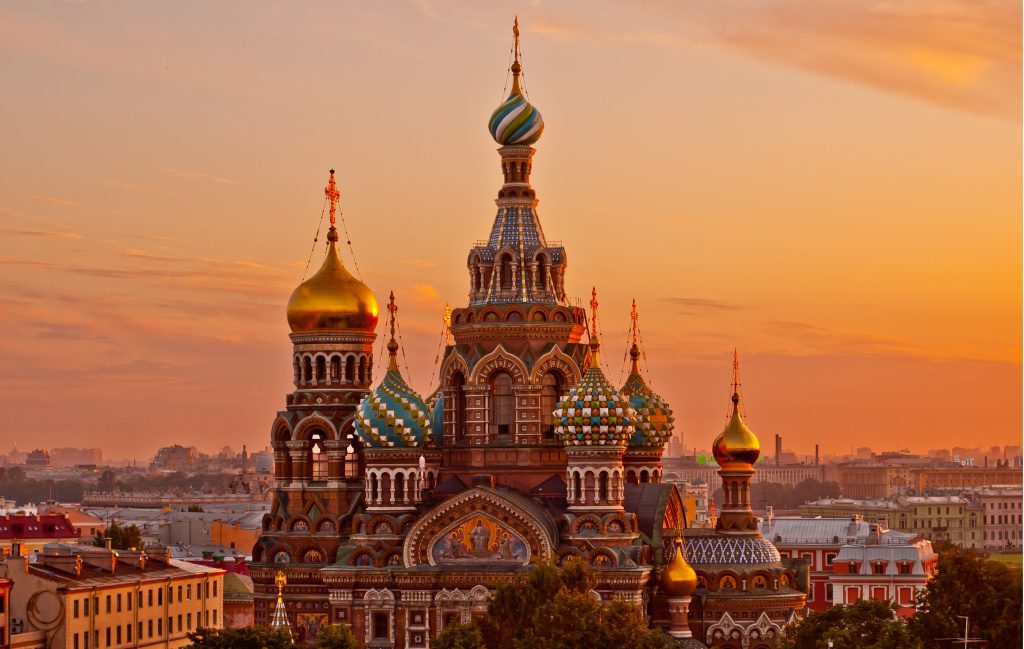
St. Petersburg’s spiritual heritage is reflected in its stunning churches and cathedrals. The Church of the Savior on Spilled Blood, with its colorful onion domes and mosaic-covered interior, commemorates the assassination of Alexander II. Its design mimics St. Basil’s Cathedral in Moscow, but with a distinctly Russian flair. Every inch of the interior is covered in detailed mosaics depicting biblical scenes, making it one of the most visually rich religious sites in the world.
Meanwhile, the Kazan Cathedral, modeled after St. Peter’s Basilica in Rome, serves as a symbol of Russian military victories. Its massive colonnade and revered icon of Our Lady of Kazan attract both worshippers and tourists. These sacred spaces are not only places of worship but also repositories of religious art, iconography, and national memory. They offer a contemplative contrast to the city’s imperial grandeur, reminding visitors of the spiritual dimensions of Russian culture.
The Evolution of Russian Art: From Realism to Avant-Garde
St. Petersburg has long been a crucible for artistic innovation. In the 19th century, the city gave rise to the Peredvizhniki (Wanderers), a group of realist painters who rejected academic conventions. Artists like Ilya Repin and Ivan Shishkin captured the struggles and beauty of Russian life through powerful, socially conscious works. Repin’s “Barge Haulers on the Volga” remains a defining image of human endurance and social injustice, reflecting the growing awareness of class inequality during the Tsarist era.
The early 20th century saw a radical shift with the emergence of Russian avant-garde art. Pioneers like Kazimir Malevich, Wassily Kandinsky, and Marc Chagall pushed the boundaries of form, color, and meaning. Malevich’s “Black Square” became a symbol of pure abstraction, challenging traditional notions of art. These movements were deeply intertwined with political and philosophical currents, including the Bolshevik Revolution and the search for a new socialist aesthetic. Today, their works are celebrated in museums across St. Petersburg, offering insight into a transformative period in art history.
Modern Galleries and Contemporary Voices
While rooted in tradition, St. Petersburg’s art scene continues to evolve. The Erarta Museum of Contemporary Art is the largest private museum of modern art in Russia, showcasing works by living artists. Its rotating exhibitions feature installations, digital art, and experimental media, reflecting global trends and local perspectives. Located in a converted industrial building, Erarta blends urban grit with cutting-edge creativity, appealing to younger audiences and international visitors.
Smaller galleries like the Loft Project Etagi and the Anna Nova Gallery foster emerging talent and interdisciplinary projects. These spaces often host artist talks, performances, and workshops, creating a dynamic cultural ecosystem. They demonstrate that St. Petersburg is not just a guardian of the past but also a nurturer of future artistic voices. For those who explore St. Petersburg: art & history, these venues offer a fresh, contemporary lens on the city’s enduring creative spirit.
Historical Turning Points That Shaped the City
St. Petersburg’s history is marked by pivotal moments that echo through its streets and monuments. The city was founded during the Great Northern War as a strategic outpost against Sweden. Peter the Great envisioned it as a modern capital, importing architects, artists, and ideas from across Europe. This ambitious project required immense labor, including the forced relocation of thousands of serfs, and the city was built on marshland reclaimed through backbreaking work.
The 20th century brought even greater upheaval. The 1917 Revolution, which began in the city then known as Petrograd, led to the fall of the Romanov dynasty and the rise of the Soviet Union. The Siege of Leningrad during WWII lasted 872 days and claimed over a million lives, leaving deep scars on the city’s psyche. Despite the devastation, residents defended their cultural treasures, hiding artworks and protecting historic buildings. This resilience is commemorated in museums and memorials throughout the city.
Monuments and Memorials: Remembering the Past
St. Petersburg is dotted with monuments that honor its complex history. The Monument to the Heroic Defenders of Leningrad stands in Victory Square, a solemn tribute to those who endured the siege. Nearby, the Piskaryov Memorial Cemetery contains mass graves of siege victims, marked by a poignant eternal flame. These sites serve as places of reflection and national remembrance, ensuring that the sacrifices of the past are not forgotten.
The Bronze Horseman, a statue of Peter the Great on a rearing horse, is perhaps the most iconic symbol of the city. Created by French sculptor Étienne Maurice Falconet, it represents both imperial power and the struggle against nature. Pushkin immortalized it in his poem “The Bronze Horseman,” which explores themes of ambition, fate, and the individual versus the state. Today, it remains a powerful emblem of St. Petersburg’s enduring legacy.
Cultural Institutions and Educational Legacy
Beyond museums and monuments, St. Petersburg is home to world-class cultural institutions. The Mariinsky Theatre, founded in 1860, is one of the most prestigious opera and ballet venues in the world. It has launched the careers of legends like Anna Pavlova and Rudolf Nureyev. Its annual ballet and opera seasons attract global audiences, and its second stage, the Mariinsky-II, offers modern performances in a state-of-the-art setting.
The Russian Museum, dedicated exclusively to Russian art, complements the Hermitage’s international focus. Located in the Mikhailovsky Palace, it houses the largest collection of Russian fine art, from medieval icons to Soviet propaganda. Its exhibitions provide a comprehensive overview of the nation’s artistic journey, making it essential for anyone studying Russian culture. These institutions not only preserve heritage but also educate new generations, ensuring that the city’s artistic and historical legacy endures.
Walking Tours and Immersive Experiences
To truly explore St. Petersburg: art & history, guided walking tours offer an immersive and personal experience. Expert-led tours of the Historic Center reveal hidden courtyards, architectural details, and stories behind famous facades. Themed walks—such as “Revolutionary Routes” or “Art Nouveau St. Petersburg”—allow visitors to focus on specific aspects of the city’s heritage. These tours often include access to private collections or closed exhibitions, providing a deeper level of engagement.
River cruises along the Neva and its canals offer a unique perspective, showcasing the city’s skyline from the water. Many tours include commentary on historical landmarks, such as the Peter and Paul Fortress and the Summer Garden. Nighttime cruises, when the bridges are lit and the fountains shimmer, create a magical atmosphere. For art enthusiasts, specialized tours of museum storage rooms or artist studios offer behind-the-scenes insights into conservation and creation.
Seasonal Events and Festivals
St. Petersburg’s cultural calendar is rich with events that celebrate its art and history. The White Nights Festival, held from May to July, features open-air concerts, ballet performances, and art installations. During this time, the city experiences nearly 24 hours of daylight, creating a surreal and festive ambiance. The Scarlet Sails celebration, marking the end of the school year, includes a grand fireworks display and a ship with red sails sailing up the Neva.
The International Festival “Stars of the White Nights” at the Mariinsky Theatre draws world-renowned performers. Meanwhile, the St. Petersburg Art Fair and the Museum Night event allow visitors to explore multiple venues in a single evening. These festivals not only showcase the city’s cultural vitality but also make art and history accessible to a broader audience.
Key Takeaways
- The Hermitage Museum is a must-visit for anyone exploring St. Petersburg’s art and history, offering an unmatched collection spanning millennia and continents.
- The city’s architectural diversity—from baroque palaces to art nouveau facades—reflects its role as a bridge between East and West.
- Imperial palaces like Peterhof and Tsarskoye Selo provide insight into royal life and artistic patronage during the Tsarist era.
- The Russian avant-garde movement, born in St. Petersburg, revolutionized modern art and continues to influence contemporary creators.
- Historical events, from the founding of the city to the Siege of Leningrad, are commemorated in monuments and museums that honor resilience and memory.
- Modern galleries and festivals ensure that St. Petersburg remains a dynamic center for art and culture in the 21st century.
Conclusion
To explore St. Petersburg: art & history is to walk through a living narrative of human achievement, struggle, and creativity. From the gilded halls of the Hermitage to the quiet gardens of Tsarskoye Selo, every site tells a story of ambition, innovation, and endurance. The city’s blend of imperial grandeur, revolutionary change, and artistic brilliance makes it one of the world’s most captivating destinations. Whether you’re marveling at a Rembrandt masterpiece, standing before the Bronze Horseman, or dancing under the white nights, St. Petersburg offers an unforgettable journey through time. It’s not just a city to visit—it’s a cultural experience to absorb, reflect upon, and carry with you long after you leave.
FAQs
What is the best time to visit St. Petersburg for art and history lovers?
The ideal time is during the White Nights season (May to July), when museums extend their hours, outdoor festivals flourish, and the city enjoys nearly 24-hour daylight. This period offers the most vibrant cultural experiences and optimal conditions for sightseeing.
How many days are needed to fully explore St. Petersburg’s art and history?
A minimum of four to five days is recommended to visit major museums like the Hermitage and Russian Museum, explore imperial palaces, and take guided tours. With more time, visitors can delve into contemporary galleries, attend performances, and explore lesser-known neighborhoods.
Are there English-speaking tours available for art and history sites?
Yes, most major museums and tour operators offer English-speaking guides. Audio guides in multiple languages are also available at key attractions. Booking in advance is advised, especially during peak tourist seasons.
