
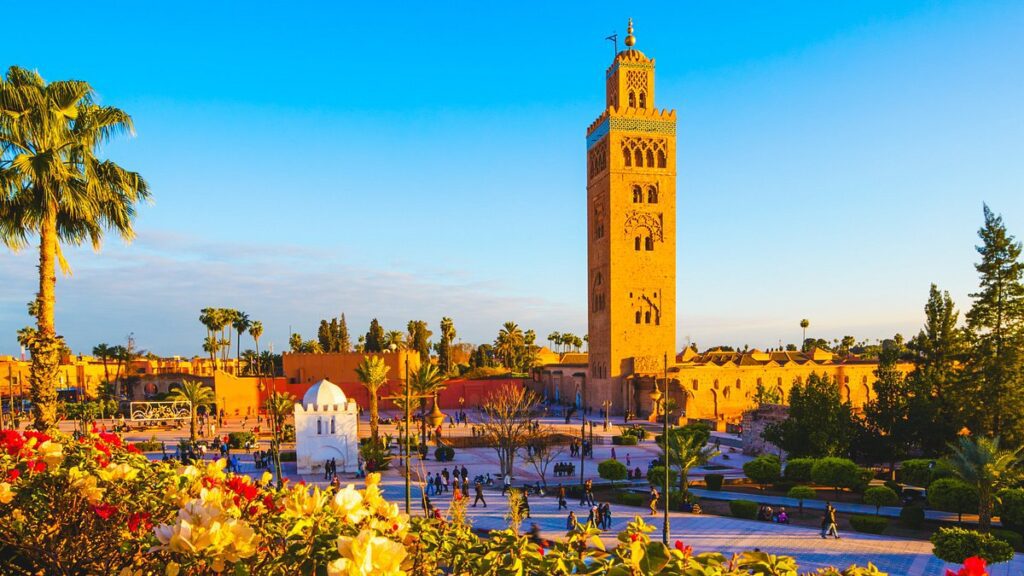
Marrakech, often called the “Red City” for its terracotta-hued buildings and sun-baked walls, is one of Morocco’s most captivating destinations. Whether you’re drawn to its labyrinthine souks, historic palaces, or vibrant street life, exploring Marrakech offers an immersive journey into a world where tradition meets modernity. This complete travel guide to the Red City covers everything from must-see landmarks and local cuisine to practical tips for navigating the medina. With its rich history, stunning architecture, and warm hospitality, Marrakech promises an unforgettable experience for every traveler.
Why Marrakech Is a Must-Visit Destination
Marrakech stands out as a cultural and historical gem in North Africa, blending Berber, Arab, and French influences into a unique urban tapestry. The city’s nickname, the Red City, comes from the distinctive red sandstone used in many of its buildings, giving the entire medina a warm, earthy glow, especially at sunset. This visual charm is matched by its dynamic energy—roaring motorbikes, bustling markets, and the scent of spices and mint tea fill the air, creating a sensory overload that’s both exhilarating and authentic.
Beyond its aesthetics, Marrakech is a gateway to Moroccan culture. It’s home to UNESCO World Heritage sites, world-class riads, and a thriving arts scene. From the iconic Koutoubia Mosque to the tranquil Majorelle Garden, the city offers a balanced mix of history, relaxation, and adventure. Whether you’re a first-time visitor or returning for a deeper dive, exploring Marrakech reveals new layers with each visit.
Top Attractions When Exploring Marrakech
No travel guide to the Red City would be complete without highlighting its most iconic landmarks. The Jemaa el-Fnaa square is the heart of Marrakech, transforming from a daytime market into a nocturnal spectacle of food stalls, storytellers, and musicians. It’s a must-see for anyone exploring Marrakech, offering an authentic taste of local life. Nearby, the Koutoubia Mosque, with its towering minaret, serves as a city landmark and a symbol of Islamic architecture.
The Bahia Palace and Saadian Tombs showcase the opulence of Morocco’s royal past. The Bahia Palace, built in the late 19th century, features intricate tilework, carved cedar ceilings, and lush courtyards. The Saadian Tombs, rediscovered in 1917, house the mausoleums of Saadian sultans and are adorned with exquisite zellige mosaics. These sites provide a glimpse into the grandeur of Morocco’s dynastic history and are essential stops on any itinerary.
Hidden Gems in the Medina
While the main attractions draw crowds, the true magic of exploring Marrakech lies in its hidden corners. Tucked away in the winding alleys of the medina are artisan workshops, quiet riads, and local cafés where time seems to slow down. Visit the Ben Youssef Madrasa, a 14th-century Islamic college with stunning geometric tilework and serene student cells. Though popular, it’s often less crowded early in the morning.
For a more intimate experience, wander through the Riad Zitoun Jdid district, where restored traditional homes now serve as boutique hotels and art galleries. Don’t miss the Dar Si Said Museum, dedicated to Moroccan arts and crafts, including woodcarving, jewelry, and textiles. These lesser-known spots offer a deeper understanding of Marrakech’s cultural fabric and are perfect for travelers seeking authenticity beyond the tourist trail.
Modern Marrakech: Gardens, Galleries, and Rooftops
Beyond its historic core, Marrakech has embraced modernity with open arms. The Majorelle Garden, once owned by Yves Saint Laurent, is a lush oasis of cobalt-blue structures, exotic plants, and tranquil ponds. It’s a peaceful retreat from the city’s chaos and a favorite among photographers and art lovers. Nearby, the Yves Saint Laurent Museum celebrates the designer’s connection to Morocco and his influence on fashion.
The city’s rooftop scene has also flourished, offering panoramic views of the Atlas Mountains and the medina’s red rooftops. Cafés like Nomad and Café des Épices serve Moroccan fusion cuisine with a modern twist, blending traditional flavors with contemporary presentation. These spaces reflect Marrakech’s evolving identity—honoring its past while embracing global trends.
Navigating the Medina: Tips for First-Time Visitors
The medina of Marrakech is a maze of narrow alleys, bustling souks, and hidden passages. For first-time visitors, getting lost is almost inevitable—and part of the adventure. However, a few strategies can make exploring Marrakech more manageable. Start by orienting yourself around major landmarks like Jemaa el-Fnaa or the Koutoubia Mosque. These serve as reliable reference points when navigating the winding streets.
Download an offline map app like Maps.me or Google Maps, which can help you track your location even without internet. Many alleys aren’t labeled, so landmarks and shop types (e.g., “spice alley” or “leather tanneries”) become your guide. It’s also wise to carry small denominations of Moroccan dirhams, as many vendors don’t accept cards. And remember: a friendly “Salam alaikum” goes a long way in building rapport with locals.
Dress Code and Cultural Etiquette
Respecting local customs is essential when exploring Marrakech. While the city is relatively liberal compared to other parts of Morocco, modest dress is appreciated, especially in religious sites and residential areas. Women should consider covering shoulders and knees, and both men and women should avoid overly revealing clothing.
When visiting mosques, non-Muslims are generally not allowed inside, but you can admire the architecture from the outside. Always ask before photographing people, particularly in the souks or residential neighborhoods. Bargaining is expected in markets, but do so respectfully—haggling is part of the culture, not a confrontation. A smile and polite tone can turn a transaction into a friendly exchange.
Getting Around: Transport Options
Marrakech offers several transport options, each suited to different needs. The most authentic way to explore the medina is on foot—wandering through the souks and alleyways allows you to absorb the city’s rhythm. For longer distances, petit taxis (small three-wheeled vehicles) are affordable and widely available. They don’t use meters, so agree on a fare before starting your journey.
Grand taxis (shared or private) connect Marrakech to nearby towns like Essaouira or the Atlas Mountains. For a more scenic ride, consider a calèche (horse-drawn carriage), especially for evening tours around the medina walls. Ride-hailing apps like Careem operate in the city, offering a convenient alternative to traditional taxis. Just be sure to confirm the driver’s identity and destination before getting in.
Where to Eat: A Culinary Journey Through Marrakech
Food is a cornerstone of Moroccan culture, and exploring Marrakech means indulging in a rich culinary tradition. Start your day with a traditional breakfast of msemen (flaky flatbread), baghrir (honeycomb pancakes), and mint tea at a local café. For lunch, head to Jemaa el-Fnaa, where food stalls serve everything from grilled meats to fresh orange juice.
Dinner is where Marrakech truly shines. Try tagine—slow-cooked stews of meat, vegetables, and dried fruits—or couscous, traditionally served on Fridays. Restaurants like Le Jardin and Al Fassia offer refined takes on classic dishes, while street food vendors provide authentic, budget-friendly options. Don’t leave without sampling harira, a hearty soup often eaten during Ramadan.
Must-Try Dishes and Drinks
Moroccan cuisine is a blend of sweet, savory, and aromatic flavors. Here are some must-try dishes when exploring Marrakech:
- Tagine: Named after the conical clay pot it’s cooked in, this dish features lamb, chicken, or beef with vegetables, olives, and spices like cumin and saffron.
- Couscous: Steamed semolina grains served with vegetables, chickpeas, and meat, often garnished with raisins and almonds.
- Pastilla: A sweet-savory pie made with layers of thin pastry, spiced pigeon or chicken, almonds, and cinnamon, dusted with powdered sugar.
- Mint Tea: Known as “Moroccan whiskey,” this sweet green tea with fresh mint is a symbol of hospitality and is served throughout the day.
- Harira: A tomato-based soup with lentils, chickpeas, and lamb, flavored with herbs and spices.
For dessert, try chebakia—sesame cookies dipped in honey and sprinkled with nigella seeds—or kaab el ghazal (gazelle horns), delicate pastries filled with almond paste. Freshly squeezed orange juice is a refreshing drink, especially in the bustling squares.
Cooking Classes and Food Tours
For a deeper dive into Moroccan cuisine, consider joining a cooking class or food tour. Many riads and culinary schools offer hands-on experiences where you’ll learn to prepare tagine, bake bread, and blend spices. These classes often include a visit to a local market to source ingredients, giving you insight into daily life in Marrakech.
Food tours, such as those offered by Marrakech Food Tours or Urban Adventures, take you through the medina’s best eateries, from hidden gems to famous stalls. You’ll sample a variety of dishes while learning about their history and cultural significance. These experiences are ideal for foodies and anyone wanting to connect with local traditions through taste.
Shopping in Marrakech: Souks, Bazaars, and Artisan Crafts
Exploring Marrakech wouldn’t be complete without a visit to its legendary souks. These sprawling markets are divided into specialized sections—spices, leather, textiles, jewelry, and pottery—each with its own atmosphere and rhythm. The Souk Semmarine is great for carpets and clothing, while Souk el Attarine specializes in perfumes and cosmetics.
Bargaining is essential in the souks. Start by offering half the asking price and negotiate politely. Vendors expect this ritual, and a friendly exchange often leads to a better deal. Look for quality over quantity—handmade items like Berber rugs, silver jewelry, and leather poufs make meaningful souvenirs. Avoid mass-produced goods labeled “Made in China,” which undermine local artisans.
Supporting Local Artisans
Marrakech is a hub for traditional crafts, and supporting local artisans helps preserve these time-honored skills. Visit cooperatives like Cooperative Fes Medina or Association Tilila, where women produce handmade textiles, pottery, and argan oil. These organizations ensure fair wages and sustainable practices, making your purchase both ethical and authentic.
For unique finds, explore the Ensemble Artisanal, a government-run craft center that showcases high-quality Moroccan products. Here, you can watch artisans at work—potters shaping clay, weavers creating carpets, and metalworkers engraving lanterns. Purchasing directly from these spaces ensures your money supports the community.
What to Buy as Souvenirs
When shopping in Marrakech, focus on items that reflect the city’s heritage. Popular souvenirs include:
- Berber Rugs: Handwoven with geometric patterns, these rugs are both functional and artistic.
- Leather Goods: From poufs to handbags, Marrakech is famous for its high-quality leather, especially from the tanneries of the medina.
- Spices: Saffron, cumin, ras el hanout, and preserved lemons are essential in Moroccan cooking.
- Lanterns: Intricately designed metal lanterns add ambiance to any home.
- Argan Oil: Known as “liquid gold,” this oil is used in cooking and skincare.
Always check the authenticity of argan oil—look for cold-pressed, organic labels and fair-trade certification. Avoid buying from street vendors who may sell diluted or synthetic versions.
Day Trips and Excursions from Marrakech
While Marrakech itself offers endless exploration, the surrounding region is equally captivating. A day trip to the Atlas Mountains allows you to hike through Berber villages, visit waterfalls, and enjoy panoramic views. The Ourika Valley is a popular destination, with terraced fields, traditional homes, and the Setti Fatma waterfalls.
For a coastal escape, head to Essaouira, a laid-back seaside town known for its whitewashed buildings, fresh seafood, and strong Atlantic winds ideal for surfing. The journey takes about 2.5 hours by car or grand taxi. Essaouira’s medina, a UNESCO site, offers a more relaxed alternative to Marrakech’s intensity.
Desert Adventures: The Sahara Awaits
One of the most unforgettable experiences when exploring Marrakech is a trip to the Agafay Desert or the Erg Chebbi dunes in the Sahara. While Agafay is closer (about 45 minutes away), Erg Chebbi offers the classic desert landscape of towering sand dunes. Both destinations offer camel treks, overnight stays in luxury desert camps, and stargazing under clear skies.
Desert tours typically include transportation, meals, and guided activities. Opt for a reputable tour operator that uses ethical practices—avoid companies that overwork camels or exploit local communities. A night in the desert, with traditional music and mint tea under the stars, is a highlight of any Moroccan journey.
Oases and Historical Sites
For history enthusiasts, the Ait Benhaddou kasbah is a must-visit. This fortified village, a UNESCO World Heritage site, has appeared in films like *Gladiator* and *Game of Thrones*. Its earthen buildings and dramatic setting make it a photographer’s dream. Located about 3 hours from Marrakech, it’s often included in desert tour itineraries.
The Ounila Valley offers a scenic drive through palm groves, ksars (fortified villages), and ancient irrigation systems. Stop at local homes for mint tea and learn about traditional farming practices. These excursions provide a deeper understanding of Morocco’s rural life and historical legacy.
Accommodation: Where to Stay in Marrakech
Marrakech offers a wide range of accommodations, from budget hostels to luxury resorts. The most authentic experience is staying in a riad—a traditional Moroccan house with an interior courtyard. Many riads have been restored into boutique hotels, offering personalized service, rooftop terraces, and beautifully decorated rooms.
Popular areas to stay include the medina for its central location and cultural immersion, and Gueliz for modern amenities and nightlife. For a quieter retreat, consider the Palmeraie, a palm-filled oasis on the city’s outskirts with luxury villas and golf resorts. Book in advance, especially during peak seasons like spring and fall.
Budget-Friendly Options
Travelers on a budget can find affordable guesthouses and hostels in the medina. Look for places with good reviews on platforms like Booking.com or Hostelworld. Many offer breakfast, Wi-Fi, and helpful staff who can assist with tours and transportation. Shared bathrooms are common, but private rooms are available at reasonable prices.
For a unique experience, consider staying in a kasbah or desert camp for a night. These accommodations often include meals and activities, providing great value. Just ensure the facility is clean, safe, and ethically operated.
Key Takeaways for Exploring Marrakech
- Marrakech, the Red City, is a vibrant blend of history, culture, and modernity.
- Must-see attractions include Jemaa el-Fnaa, Koutoubia Mosque, Bahia Palace, and Majorelle Garden.
- Navigate the medina with offline maps, respect local customs, and bargain politely in souks.
- Try traditional dishes like tagine, couscous, and pastilla, and join a cooking class for a deeper experience.
- Support local artisans by buying handmade crafts and fair-trade products.
- Take day trips to the Atlas Mountains, Essaouira, or the Sahara Desert for diverse adventures.
- Stay in a riad for an authentic Moroccan experience, or choose Gueliz for modern comforts.
FAQ
What is the best time to visit Marrakech?
The ideal time to explore Marrakech is during spring (March to May) or fall (September to November), when temperatures are mild and pleasant. Summers can be extremely hot, with temperatures exceeding 40°C (104°F), while winters are cooler but still enjoyable for sightseeing.
Is Marrakech safe for solo travelers?
Yes, Marrakech is generally safe for solo travelers, including women. However, it’s wise to stay aware of your surroundings, avoid poorly lit areas at night, and dress modestly to respect local norms. Petty theft can occur in crowded areas, so keep valuables secure.
Do I need to speak Arabic or French to get by?
While Arabic and French are widely spoken, many locals in tourist areas understand basic English. Learning a few phrases in Arabic or French—like “Shukran” (thank you) or “Merci”—can enhance your experience and show respect for the culture.
Conclusion
Exploring Marrakech is more than a vacation—it’s an immersion into a world of color, flavor, and tradition. From the bustling souks to the serene gardens, every corner of the Red City tells a story. Whether you’re marveling at ancient architecture, savoring aromatic tagines, or watching the sunset over the Atlas Mountains, Marrakech leaves a lasting impression. With this complete travel guide, you’re equipped to navigate the city with confidence, respect, and curiosity. So pack your bags, embrace the chaos, and let Marrakech reveal its secrets to you.
