
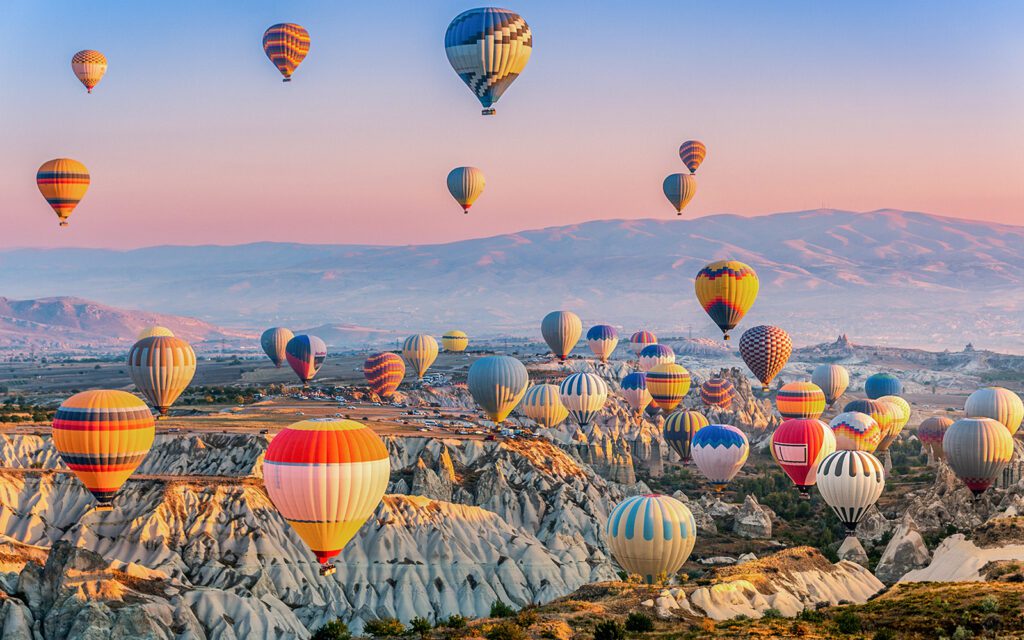
Have you ever dreamed of walking through ancient underground cities, gazing at rock-cut churches adorned with centuries-old frescoes, or floating above fairy chimneys in a hot air balloon at sunrise? Exploring history and culture in Cappadocia offers exactly that—a mesmerizing blend of natural wonder and human ingenuity. Nestled in central Turkey, this UNESCO World Heritage site is more than just a scenic destination; it’s a living museum where Byzantine art, early Christian monastic life, and ancient Hittite civilizations converge. From troglodyte dwellings to hidden chapels, Cappadocia’s layered past invites travelers to step back in time and immerse themselves in a culture shaped by faith, resilience, and creativity.
A Land Shaped by Fire and Faith: The Geological and Historical Roots of Cappadocia
Cappadocia’s otherworldly landscape was forged over millions of years by volcanic eruptions, wind, and water erosion. The region’s soft tuff rock, formed from ancient lava flows, made it possible for early inhabitants to carve homes, churches, and entire cities directly into the cliffs. This geological uniqueness not only provided natural shelter but also became the foundation for one of the most remarkable cultural developments in human history. The porous rock allowed for intricate architectural designs, enabling communities to build multi-level dwellings, ventilation shafts, and even wineries deep beneath the earth’s surface.
The earliest evidence of human settlement in Cappadocia dates back to the Paleolithic era, but it was during the Hittite period (1600–1200 BCE) that the region began to flourish as a cultural and political center. The Hittites left behind rock reliefs and inscriptions, many of which can still be seen near the modern town of Niğde. Later, during the Persian and Roman periods, Cappadocia became a crossroads of trade and ideas. However, it was the rise of Christianity in the 4th century CE that truly transformed the region. Fleeing persecution, early Christians found refuge in Cappadocia’s hidden valleys and caves, establishing monastic communities that would leave an indelible mark on the region’s spiritual and artistic legacy.
Sacred Spaces: The Religious Heritage of Cappadocia
The religious significance of Cappadocia cannot be overstated. As Christianity spread throughout the Roman Empire, the region became a sanctuary for monks and ascetics seeking solitude and spiritual devotion. The Göreme Open-Air Museum stands as the most iconic testament to this era, housing over 30 rock-cut churches decorated with vivid frescoes depicting biblical scenes. These artworks, painted between the 9th and 11th centuries, reflect a unique blend of Byzantine iconography and local artistic traditions. The Dark Church (Karanlık Kilise), in particular, is renowned for its exceptionally well-preserved paintings, thanks to its lack of windows that shielded the colors from sunlight.
Beyond Göreme, the underground cities of Derinkuyu and Kaymaklı reveal the depth of Cappadocia’s spiritual and defensive ingenuity. These subterranean complexes, some reaching depths of up to 85 meters, were designed to shelter entire communities during times of invasion. With chapels, wine presses, stables, and even schools, these cities were not just refuges but fully functional societies. The presence of baptismal fonts and religious symbols throughout the tunnels underscores the central role of faith in daily life. For visitors, walking through these dimly lit passageways offers a profound sense of connection to the past—a reminder of how deeply intertwined spirituality and survival were in Cappadocia’s history.
Living Traditions: Cappadocia’s Cultural Continuity
While Cappadocia’s ancient past is well documented, its living culture remains vibrant and deeply rooted in tradition. The region’s villages, such as Ürgüp, Avanos, and Mustafapaşa, continue to preserve centuries-old crafts, music, and culinary practices. Avanos, situated along the Kızılırmak (Red River), is famous for its pottery, a craft passed down through generations. Local artisans use the river’s red clay to create everything from functional cookware to intricate decorative pieces, many of which are still made using traditional kick-wheel techniques. Visitors can watch demonstrations, try their hand at pottery, and purchase authentic souvenirs that support the local economy.
Music and dance also play a vital role in Cappadocian culture. The region is known for its folk songs, often accompanied by the bağlama (a stringed instrument), which reflect themes of love, nature, and historical events. During local festivals and weddings, traditional dances like the halay bring communities together in joyful celebration. Additionally, Cappadocia’s cuisine offers a delicious window into its cultural heritage. Dishes such as testi kebabı (a meat and vegetable stew cooked in a sealed clay pot), manti (tiny dumplings similar to ravioli), and gözleme (savory stuffed flatbread) are prepared using time-honored recipes. Dining in a cave restaurant, surrounded by ancient walls, enhances the experience, blending gastronomy with history in a uniquely Cappadocian way.
Architectural Marvels: From Cave Dwellings to Modern Adaptations
Cappadocia’s architecture is a masterclass in adaptation and innovation. The region’s most distinctive feature—the fairy chimneys—are not just geological formations but also homes, hotels, and cultural landmarks. These cone-shaped rock structures, often topped with stone caps, were naturally formed but later modified by humans to create habitable spaces. Today, many of these caves have been transformed into boutique hotels, offering guests a one-of-a-kind experience of sleeping in a centuries-old dwelling. The blend of ancient design and modern comfort exemplifies how Cappadocia honors its past while embracing contemporary needs.
Beyond residential use, Cappadocia’s architectural ingenuity extends to religious and communal structures. The rock-cut monasteries of the Ihlara Valley, for example, stretch along a 14-kilometer canyon and contain over 60 churches, each with its own unique frescoes and layout. The valley’s cool microclimate made it an ideal retreat for monks, and today it serves as a peaceful hiking destination where visitors can explore both natural beauty and spiritual history. Similarly, the Pigeon Valley trail connects the towns of Ürgüp and Göreme, passing by ancient dovecotes carved into the cliffs. These structures were used to collect pigeon droppings as fertilizer, highlighting the resourcefulness of Cappadocian farmers. The valley’s scenic views and historical remnants make it a favorite among hikers and photographers alike.
In recent years, sustainable tourism has become a priority in Cappadocia, with efforts to preserve both the environment and cultural heritage. Local authorities and communities have implemented measures to limit over-tourism, protect fragile frescoes, and promote eco-friendly practices. Initiatives such as guided cultural tours, artisan workshops, and community-based tourism projects ensure that visitors engage with the region respectfully and meaningfully. This balance between preservation and accessibility ensures that future generations can continue to explore the history and culture of Cappadocia in its authentic form.
The Modern Experience: How to Explore History and Culture in Cappadocia Today
For travelers seeking to explore history and culture in Cappadocia, the experience is both accessible and deeply enriching. Begin your journey in Göreme, the cultural heart of the region, where the Open-Air Museum and the Göreme National Park offer a comprehensive introduction to Cappadocia’s heritage. Guided tours led by local historians provide context and storytelling that bring the ancient sites to life. These tours often include visits to lesser-known churches and viewpoints, offering a more intimate perspective than crowded group excursions.
To delve deeper into the region’s past, consider visiting the underground cities of Derinkuyu and Kaymaklı. These sites require some physical effort—narrow passages and steep staircases—but the reward is a firsthand look at how ancient communities lived in harmony with their environment. Audio guides and informational panels help explain the historical significance of each chamber, from storage rooms to chapels. For a more immersive experience, some tour operators offer themed excursions, such as “A Day in the Life of a Cappadocian Monk,” which include reenactments, traditional meals, and prayer sessions.
Cultural immersion doesn’t end with sightseeing. Participating in local activities allows visitors to connect with Cappadocia’s living traditions. Attend a pottery workshop in Avanos, learn to prepare gözleme with a local family, or join a folk music night in Ürgüp. Many guesthouses and cultural centers offer these experiences, often led by residents who are passionate about sharing their heritage. Additionally, visiting during local festivals—such as the Cappadocia International Music Festival or the Rose Festival in Gülşehir—provides a unique opportunity to witness traditional performances, crafts, and rituals in a celebratory atmosphere. These events not only showcase the region’s cultural richness but also foster cross-cultural exchange between visitors and locals.
Key Takeaways: Why Cappadocia Stands Out as a Cultural Destination
- Geological Wonder Meets Human Ingenuity: Cappadocia’s landscape, shaped by volcanic activity and erosion, provided the perfect canvas for ancient civilizations to build homes, churches, and cities directly into the rock.
- Spiritual Legacy of Early Christianity: The region served as a refuge for early Christians, resulting in a wealth of rock-cut churches and monasteries adorned with Byzantine frescoes that remain remarkably preserved.
- Living Cultural Traditions: From pottery and music to cuisine and festivals, Cappadocia’s communities continue to practice and celebrate traditions that have been passed down for generations.
- Architectural Innovation: The adaptation of natural rock formations into functional and spiritual spaces demonstrates a profound understanding of environment and design.
- Sustainable Tourism Efforts: Ongoing initiatives aim to balance visitor access with the preservation of cultural and natural heritage, ensuring long-term sustainability.
Frequently Asked Questions About Exploring History and Culture in Cappadocia
What is the best time of year to visit Cappadocia for cultural exploration?
The ideal time to explore history and culture in Cappadocia is during the spring (April to June) and autumn (September to November). During these months, the weather is mild, making it comfortable for hiking and outdoor activities. Additionally, these seasons offer fewer crowds compared to the peak summer months, allowing for a more peaceful and immersive experience at historical sites.
Are the underground cities safe for tourists to visit?
Yes, the underground cities of Derinkuyu and Kaymaklı are generally safe for visitors, with well-maintained pathways, lighting, and safety signage. However, some areas involve narrow tunnels and steep staircases, so visitors with mobility issues or claustrophobia should exercise caution. It’s recommended to wear sturdy shoes and follow guide instructions to ensure a safe and enjoyable visit.
How can I support local culture while visiting Cappadocia?
Supporting local culture begins with choosing locally owned accommodations, dining at family-run restaurants, and purchasing handmade crafts directly from artisans. Participating in community-based tourism activities, such as cooking classes or village walks, also helps sustain traditional practices. Respecting local customs, dressing modestly at religious sites, and learning a few basic Turkish phrases can further enhance your cultural engagement.
Conclusion: A Timeless Journey Through Cappadocia’s Past and Present
Exploring history and culture in Cappadocia is more than a tourist activity—it’s a journey into the soul of a region where nature, faith, and human creativity have intertwined for millennia. From the silent halls of underground cities to the vibrant rhythms of folk music, every corner of Cappadocia tells a story of resilience, devotion, and adaptation. Whether you’re marveling at Byzantine frescoes, sipping wine in a cave cellar, or watching the sunrise from a hot air balloon, the experience is both humbling and inspiring. As tourism continues to evolve, the challenge—and opportunity—lies in preserving this unique heritage while sharing it with the world. For those who seek depth beyond the surface, Cappadocia offers a rare chance to connect with the past in a landscape that feels, in every sense, timeless.
