
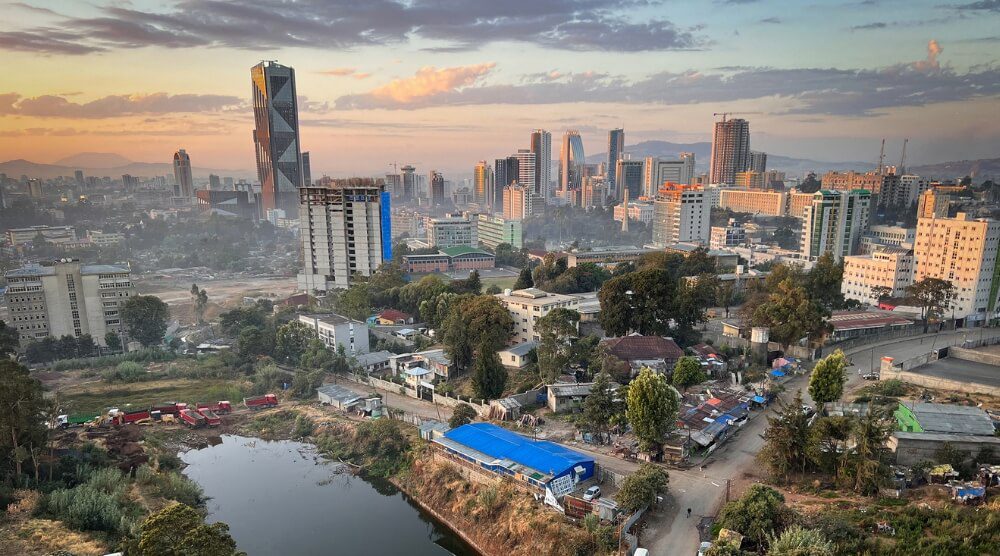
Ever wondered what makes Addis Ababa a must-visit destination for travelers seeking culture, coffee, and history all in one vibrant city? As Ethiopia’s bustling capital and the diplomatic heart of Africa, Addis Ababa offers a rich tapestry of ancient traditions, world-renowned coffee ceremonies, and deep historical roots. From the National Museum to the aromatic streets of Piassa, exploring Addis Ababa means immersing yourself in a city where every corner tells a story. Whether you’re a history buff, a coffee lover, or a cultural explorer, this city delivers an authentic African experience like no other.
Why Addis Ababa Stands Out in African Travel
Addis Ababa isn’t just Ethiopia’s capital—it’s a cultural crossroads and a living museum of African heritage. As the headquarters of the African Union and the United Nations Economic Commission for Africa, the city plays a pivotal role in continental politics and diplomacy. But beyond its global significance, Addis Ababa captivates visitors with its unique blend of modernity and tradition. The city pulses with energy, from its bustling markets to its quiet Orthodox churches, offering a rare glimpse into a society that honors its past while embracing the future.
What truly sets Addis Ababa apart is its authenticity. Unlike many African capitals that have been heavily Westernized, Addis retains a distinctly Ethiopian character. The language, Amharic, echoes through the streets; traditional dress like the netela is commonly worn; and ancient customs remain part of daily life. This cultural integrity makes exploring Addis Ababa a deeply immersive experience. Whether you’re sipping coffee in a centuries-old ceremony or walking through the ruins of medieval churches, the city invites you to connect with its soul.
The Cultural Heartbeat of Addis Ababa
Culture in Addis Ababa is not confined to museums—it’s alive in the rhythm of daily life. The city is home to over 80 ethnic groups, each contributing to a vibrant mosaic of music, dance, food, and religion. Ethiopian Orthodox Christianity dominates the spiritual landscape, and its influence is visible in the ornate churches, colorful religious festivals, and the observance of fasting periods. Timket, the Epiphany celebration, transforms the city into a sea of white robes and processions, drawing thousands to the streets in joyful devotion.
Music and art also define Addis Ababa’s cultural identity. The city has birthed legendary musicians like Mahmoud Ahmed and Aster Aweke, whose jazz-infused Ethiopian pop, known as Ethio-jazz, blends traditional scales with modern instrumentation. Galleries like the Zoma Museum showcase contemporary Ethiopian art rooted in indigenous storytelling and natural materials. Meanwhile, traditional dance troupes perform at cultural centers, preserving ancient movements passed down through generations. This dynamic cultural ecosystem makes exploring Addis Ababa a sensory journey unlike any other.
Traditional Festivals and Religious Observances
One of the best ways to experience Addis Ababa’s culture is by attending its festivals. Timket, celebrated in January, commemorates the baptism of Jesus and features dramatic reenactments, hymns, and processions around sacred tabots (replicas of the Ark of the Covenant). Another major event is Meskel, the Finding of the True Cross, marked by bonfires, singing, and communal feasting in September. These festivals are not tourist spectacles—they are deeply spiritual events that unite communities across the city.
Religious life in Addis Ababa is equally compelling. The Holy Trinity Cathedral, one of the city’s most important churches, is the burial site of Emperor Haile Selassie and a center of Orthodox worship. Nearby, the Entoto Mountains host ancient rock-hewn churches that date back to the 15th century. Visitors can attend morning prayers, hear haunting chants, and witness the intricate rituals that define Ethiopian Christianity. These experiences offer a profound connection to the city’s spiritual heritage.
Addis Ababa and the Birthplace of Coffee
Few cities can claim a deeper bond with coffee than Addis Ababa. Legend has it that coffee was first discovered in the Kaffa region of Ethiopia, just a few hours from the capital, by a goat herder named Kaldi who noticed his animals becoming energetic after eating red berries. Today, Addis Ababa stands as the spiritual home of coffee, where the traditional Ethiopian coffee ceremony is not just a ritual—it’s a cornerstone of social life.
Exploring Addis Ababa means encountering coffee at every turn. From street-side kiosks to elegant cafés in Bole or Kazanchis, the aroma of freshly roasted beans fills the air. The coffee ceremony itself is a meditative process involving roasting green beans over charcoal, grinding them by hand, and brewing in a clay pot called a jebena. Served in small cups with sugar or salt, and often accompanied by popcorn or bread, the ceremony can last over an hour and symbolizes hospitality, community, and respect.
Where to Experience the Best Coffee in Addis Ababa
For an authentic coffee experience, head to Tomoca Coffee, the city’s oldest and most iconic café. Established in 1953, Tomoca roasts its beans on-site and offers a range of single-origin Ethiopian coffees, from Yirgacheffe to Sidamo. The original location in Piassa retains its vintage charm, with wooden benches and the rich scent of roasting beans wafting through the air. It’s a favorite among locals and a must-visit for coffee connoisseurs.
Another standout is Kaldis Coffee, a modern chain that blends tradition with innovation. With locations across the city, Kaldis offers expertly brewed pour-overs, espresso drinks, and even coffee-based cocktails. Their flagship store in Bole features a sleek design and a dedicated roastery, allowing visitors to see the entire process from bean to cup. For a more intimate setting, try Sheger Coffee in Kazanchis, known for its cozy atmosphere and live jazz on weekends.
The Global Influence of Ethiopian Coffee
Ethiopian coffee isn’t just cherished locally—it’s a global phenomenon. The country is the fifth-largest coffee producer in the world, and its beans are prized for their floral, fruity, and wine-like notes. Varietals like Yirgacheffe, Harrar, and Limu are exported to specialty roasters in Europe, Japan, and the United States. Addis Ababa serves as the hub for this trade, hosting the annual Ethiopia International Coffee Conference, which attracts buyers, farmers, and experts from around the globe.
Beyond commerce, Ethiopian coffee culture has inspired movements worldwide. The third-wave coffee scene, which emphasizes traceability, sustainability, and craftsmanship, owes much to Ethiopia’s heritage. Many specialty cafés now highlight Ethiopian origins on their menus, educating consumers about the country’s role in coffee history. In Addis Ababa, this global recognition is met with pride—locals see their coffee not just as a drink, but as a symbol of national identity.
A Journey Through Addis Ababa’s Rich History
Addis Ababa’s history is as layered as its culture. Founded in 1886 by Emperor Menelik II and his wife Empress Taytu Betul, the city was established around natural hot springs known as Filwoha. Its name, meaning “New Flower” in Amharic, reflects the founders’ vision of a modern capital rising from the highlands. Over the decades, Addis Ababa has grown from a small settlement into a metropolis of over 5 million people, shaped by empires, revolutions, and resilience.
The city’s historical significance is evident in its landmarks. The National Museum of Ethiopia houses the 3.2-million-year-old fossil “Lucy” (Dinkinesh), one of the most important discoveries in human evolution. Nearby, the Imperial Palace and St. George’s Cathedral stand as testaments to Ethiopia’s imperial past. The cathedral, built in 1896 to commemorate the Battle of Adwa, features a distinctive octagonal design and houses the tombs of Emperor Menelik II and Empress Zewditu.
Colonial Resistance and Modern Struggles
Ethiopia’s unique status as one of the few African nations never fully colonized is central to Addis Ababa’s historical narrative. The Battle of Adwa in 1896, where Ethiopian forces defeated Italian invaders, is celebrated as a symbol of African resistance and independence. This victory is commemorated annually in Addis Ababa, with parades and educational programs reinforcing national pride.
In the 20th century, the city became a focal point of political change. The 1974 revolution that overthrew Emperor Haile Selassie led to the rise of the Derg regime, a Marxist military government that ruled with an iron fist. The Red Terror period saw widespread violence and repression, leaving deep scars on the city’s social fabric. Despite this, Addis Ababa remained a center of resistance, with student movements and underground publications fueling the push for democracy.
Contemporary Addis Ababa: Growth and Transformation
Today, Addis Ababa is undergoing rapid urbanization. The city’s skyline is dotted with new skyscrapers, including the Ethiopian Electric Power Headquarters and the Addis Ababa City Hall. The Addis Ababa Light Rail, Africa’s first modern tram system, launched in 2015, has transformed public transportation and reduced traffic congestion. These developments reflect Ethiopia’s ambitions to become a regional economic powerhouse.
Yet, growth has brought challenges. Rapid urbanization has led to housing shortages, environmental concerns, and social inequality. The city’s infrastructure struggles to keep pace with population growth, and informal settlements continue to expand on the outskirts. Despite these issues, Addis Ababa remains a beacon of hope and innovation. Youth-led startups, tech hubs, and cultural initiatives are reshaping the city’s future, proving that its spirit of resilience endures.
Must-Visit Cultural and Historical Sites in Addis Ababa
For travelers exploring Addis Ababa, certain sites are non-negotiable. The National Museum of Ethiopia is a must-see, not only for Lucy but also for its extensive collection of artifacts spanning prehistoric times to the modern era. The museum’s ethnographic wing showcases traditional clothing, tools, and musical instruments from Ethiopia’s diverse ethnic groups, offering a comprehensive overview of the nation’s cultural heritage.
Another essential stop is the Red Terror Martyrs Memorial Museum, dedicated to the victims of the Derg regime. This powerful museum documents the atrocities of the 1970s and 1980s through photographs, personal testimonies, and preserved prison cells. It’s a sobering but necessary visit for understanding Ethiopia’s recent history and the resilience of its people.
Sacred Spaces and Spiritual Landmarks
Addis Ababa is dotted with sacred sites that reflect its deep religious roots. The Holy Trinity Cathedral is not only an architectural marvel but also a place of pilgrimage. Its interior is adorned with stunning frescoes depicting biblical scenes and Ethiopian saints. Visitors can attend services, light candles, and reflect in the peaceful courtyard.
For a more secluded experience, take a day trip to the Entoto Mountains. At over 3,000 meters above sea level, this range offers panoramic views of the city and access to ancient churches like Entoto Maryam. Built in the 19th century, the church features intricate murals and a serene atmosphere. The cooler climate and pine forests make it a refreshing escape from the city’s heat.
Markets and Local Life
No exploration of Addis Ababa is complete without visiting its markets. Mercato, Africa’s largest open-air market, is a sensory overload of colors, sounds, and smells. Here, you can find everything from spices and textiles to handmade crafts and electronics. It’s a place where tradition meets commerce, and bargaining is part of the experience.
For a more curated shopping experience, visit Shiro Meda, a boutique market known for its high-quality Ethiopian handicrafts. Artisans sell handwoven baskets, leather goods, and traditional jewelry, often made using age-old techniques. Supporting these vendors helps preserve cultural crafts and provides sustainable income for local communities.
Key Takeaways
- Addis Ababa is a city where culture, coffee, and history converge, offering a uniquely authentic African experience.
- The city is the birthplace of coffee and home to the traditional Ethiopian coffee ceremony, a cornerstone of social life.
- Rich in history, Addis Ababa played a key role in Ethiopia’s resistance to colonization and its modern political evolution.
- Must-visit sites include the National Museum, Holy Trinity Cathedral, and the Red Terror Martyrs Memorial Museum.
- Local markets like Mercato and Shiro Meda provide immersive cultural experiences and opportunities to support artisans.
Conclusion
Exploring Addis Ababa is more than a travel itinerary—it’s an invitation to connect with one of Africa’s most dynamic and resilient cities. From the sacred chants of Orthodox churches to the rich aroma of freshly brewed coffee, every moment in Addis Ababa reveals a layer of its cultural and historical depth. Whether you’re tracing the footsteps of ancient emperors, sipping coffee in a centuries-old ceremony, or wandering through bustling markets, the city leaves a lasting impression. Addis Ababa doesn’t just preserve its past—it lives it, breathes it, and shares it with the world.
FAQs
What is the best time to visit Addis Ababa for culture and history?
The best time to visit Addis Ababa is during the dry season, from October to March, when the weather is mild and festivals like Timket and Meskel take place. These months offer ideal conditions for exploring outdoor sites and participating in cultural events.
Is it safe to explore Addis Ababa as a tourist?
Yes, Addis Ababa is generally safe for tourists, especially in central areas like Bole, Piassa, and Kazanchis. However, it’s advisable to stay aware of your surroundings, avoid walking alone at night, and use reputable transportation services.
How important is coffee to Addis Ababa’s identity?
Coffee is central to Addis Ababa’s cultural and social life. The traditional coffee ceremony is a symbol of hospitality and community, and the city’s role as the birthplace of coffee gives it a unique place in global coffee culture.
