
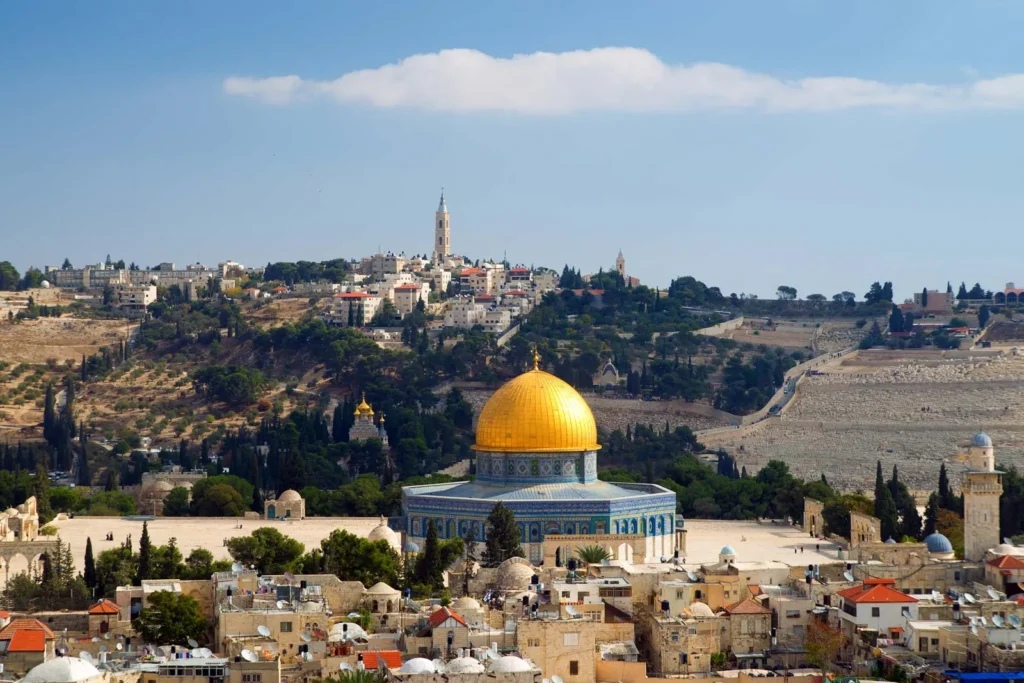
Planning a trip to one of the world’s most historically rich and spiritually significant cities? The Ultimate Travel Guide to Jerusalem is your essential companion for exploring this ancient metropolis with confidence and depth. From sacred sites and archaeological wonders to vibrant markets and modern neighborhoods, Jerusalem offers a unique blend of past and present. Whether you’re drawn by faith, history, or culture, this guide delivers practical insights, insider tips, and must-see destinations to help you experience Jerusalem like a local. Let’s dive into everything you need to know before stepping into the City of Gold.
Why Visit Jerusalem? A City Like No Other
Jerusalem stands as a crossroads of civilizations, religions, and centuries. It’s not just a destination—it’s a living museum where every stone tells a story. For Jews, Christians, Muslims, and countless others, the city holds profound spiritual meaning. But beyond its religious significance, Jerusalem is a dynamic urban center with bustling markets, world-class museums, and a thriving food scene. Its layered history spans over 3,000 years, making it one of the oldest continuously inhabited cities on Earth.
What makes Jerusalem truly unique is its ability to balance reverence with vibrancy. You can pray at the Western Wall in the morning, explore the Church of the Holy Sepulchre by midday, and enjoy a falafel wrap in Machane Yehuda Market by evening. The city’s compact Old City is surrounded by ancient walls and divided into four quarters—Jewish, Christian, Muslim, and Armenian—each with its own distinct character. This rich tapestry of cultures, traditions, and architecture creates an experience that’s both humbling and exhilarating.
Best Time to Visit Jerusalem
Choosing the right time to visit Jerusalem can greatly enhance your travel experience. The city enjoys a Mediterranean climate, with hot, dry summers and mild, wet winters. Spring (March to May) and autumn (September to November) are widely considered the best seasons to visit. During these months, temperatures are pleasant, ranging from 15°C to 25°C (59°F to 77°F), making it ideal for walking tours and outdoor exploration.
Summer (June to August) brings heat and crowds, especially during major religious holidays like Ramadan or Jewish High Holy Days. While the city remains lively, outdoor activities can be tiring under the midday sun. Winter (December to February) is cooler and rainier, but it’s also the least crowded season. If you don’t mind occasional showers, you’ll find lower accommodation rates and a more peaceful atmosphere. Major festivals such as Easter, Passover, and Christmas can draw large pilgrim crowds, so plan accordingly if you want to avoid peak times.
Getting to Jerusalem: Transportation Options
Reaching Jerusalem is easier than ever, thanks to modern infrastructure and international connections. The primary gateway is Ben Gurion Airport (TLV), located about 45 kilometers west of the city. It’s Israel’s main international airport, serving flights from Europe, North America, Asia, and Africa. From the airport, you can take the high-speed train directly to Jerusalem’s newly opened railway station, which connects seamlessly to the city center via light rail and buses.
Alternatively, shared taxis (sherut) and private shuttles offer door-to-door service from the airport to hotels and major neighborhoods. If you’re arriving from nearby cities like Tel Aviv or Amman, intercity buses and trains are reliable and affordable. Once in Jerusalem, the public transportation system includes buses and a modern light rail line that runs through key areas like the Old City, Mahane Yehuda Market, and the Jerusalem Central Bus Station. Walking is also highly recommended, especially within the compact Old City, where narrow alleyways and historic sites are best explored on foot.
Where to Stay in Jerusalem: Neighborhoods and Accommodations
Jerusalem offers a wide range of accommodations to suit every budget and travel style. For first-time visitors, staying near the Old City is ideal. Areas like the Jewish Quarter or just outside the Jaffa Gate provide easy access to major religious sites, restaurants, and shops. Boutique hotels, guesthouses, and historic inns are abundant here, many offering rooftop views of the Dome of the Rock or the Mount of Olives.
If you prefer a more local experience, consider neighborhoods like Nachlaot or Talpiot. Nachlaot is known for its bohemian vibe, narrow alleys, and artisan cafes, while Talpiot offers modern apartments and a quieter atmosphere. Budget travelers will find hostels and guesthouses in areas like the Russian Compound or near the Central Bus Station. For luxury stays, the German Colony and Rehavia neighborhoods feature upscale hotels with fine dining and spa services. Always book in advance, especially during religious holidays or peak seasons.
Top Attractions in Jerusalem: Must-See Sites
No visit to Jerusalem is complete without exploring its iconic landmarks. The Old City is the heart of the metropolis and a UNESCO World Heritage Site. Within its walls, you’ll find the Western Wall, the holiest site in Judaism, where visitors leave written prayers in the ancient stones. Just steps away, the Temple Mount (Haram al-Sharif) houses the golden Dome of the Rock and the Al-Aqsa Mosque, two of Islam’s most sacred sites.
For Christians, the Church of the Holy Sepulchre is a pilgrimage destination believed to be the site of Jesus’ crucifixion, burial, and resurrection. The Via Dolorosa, the path Jesus walked on his way to crucifixion, is marked by the Stations of the Cross and ends at the church. The Mount of Olives offers panoramic views of the city and is home to ancient Jewish cemeteries, the Garden of Gethsemane, and the Church of All Nations. Don’t miss the Israel Museum, which houses the Dead Sea Scrolls and an impressive collection of Jewish art and archaeology.
Exploring Jerusalem’s Cultural and Culinary Scene
Jerusalem’s culture is as diverse as its population. The city is a melting pot of Jewish, Arab, Christian, and Armenian traditions, reflected in its festivals, music, and daily life. The Jerusalem March during Sukkot, the International Arts Festival, and the Jerusalem Film Festival are just a few events that showcase the city’s creative spirit. Street art is increasingly visible in neighborhoods like Musrara and the German Colony, where murals and installations add color to historic walls.
Food lovers will find Jerusalem a paradise of flavors. The city’s cuisine blends Middle Eastern, Mediterranean, and Jewish influences. Start your culinary journey at Machane Yehuda Market, where you can sample fresh pita, hummus, za’atar, and sweet halva. Try a traditional Jerusalem mixed grill (meorav yerushalmi) at a local eatery, or sip on freshly brewed Arabic coffee in a historic courtyard. Vegetarian and vegan options are abundant, thanks to the city’s strong plant-based food movement. Don’t leave without trying knafeh, a decadent cheese pastry soaked in syrup, best enjoyed at Abu Shukri or HaKosem.
Practical Tips for Traveling in Jerusalem
To make the most of your trip, keep a few practical tips in mind. Dress modestly when visiting religious sites—cover your shoulders and knees, and remove hats when entering synagogues or mosques. Women may be asked to cover their heads in certain areas. Always carry a scarf or shawl for convenience. Respect local customs, especially during prayer times or religious holidays, when some sites may have restricted access.
Jerusalem is generally safe for tourists, but it’s wise to stay informed about current events and follow local news. Avoid political discussions in public, and be mindful of photography restrictions at sensitive locations. English is widely spoken, but learning a few basic Hebrew or Arabic phrases can go a long way. Use cash for small vendors and markets, as not all places accept credit cards. Lastly, download offline maps and translation apps to navigate the city’s winding alleys with ease.
Day Trips and Nearby Destinations
While Jerusalem deserves several days of exploration, its central location makes it an excellent base for day trips. Just a short drive away, the Dead Sea offers a unique experience of floating in mineral-rich waters and covering yourself in therapeutic mud. The nearby Masada Fortress, perched atop a desert plateau, is a powerful symbol of Jewish resistance and offers breathtaking sunrise hikes.
History buffs will appreciate a visit to Qumran, where the Dead Sea Scrolls were discovered, or Ein Gedi Nature Reserve</>, a lush oasis with waterfalls and wildlife. For a spiritual journey, head to Yad Vashem, Israel’s Holocaust memorial, located in Jerusalem itself. If you have time, consider a trip to Tel Aviv (about an hour by train) for its beaches, nightlife, and modern vibe. Each of these destinations adds depth to your understanding of the region’s history and natural beauty.
Key Takeaways from the Ultimate Travel Guide to Jerusalem
- Jerusalem is a city of deep historical, religious, and cultural significance, offering a unique blend of ancient and modern experiences.
- The best time to visit is during spring or autumn for pleasant weather and fewer crowds.
- Stay near the Old City for easy access to major sites, or explore neighborhoods like Nachlaot for a local feel.
- Must-see attractions include the Western Wall, Temple Mount, Church of the Holy Sepulchre, and Israel Museum.
- Enjoy Jerusalem’s diverse cuisine at Machane Yehuda Market and try local specialties like knafeh and meorav yerushalmi.
- Respect local customs, dress modestly at religious sites, and stay informed about current events.
- Use public transportation, walking, and light rail to navigate the city efficiently.
- Consider day trips to the Dead Sea, Masada, or Qumran to enrich your travel experience.
Conclusion
The Ultimate Travel Guide to Jerusalem equips you with everything needed to explore this extraordinary city with confidence and curiosity. From its sacred landmarks and vibrant markets to its rich culinary traditions and cultural diversity, Jerusalem offers an experience that stays with you long after you leave. Whether you’re walking the ancient stones of the Old City, savoring a meal in a bustling market, or reflecting at a historic site, every moment in Jerusalem feels meaningful. Plan wisely, travel respectfully, and embrace the city’s timeless spirit. Your journey to Jerusalem isn’t just a trip—it’s a pilgrimage through history, faith, and human connection.
FAQs
What is the best way to get around Jerusalem?
The most convenient ways to get around Jerusalem are by foot, light rail, and bus. The light rail connects major neighborhoods and the Old City, while buses cover wider areas. Taxis and ride-sharing apps are also available. Walking is highly recommended in the Old City due to narrow streets and pedestrian zones.
Is Jerusalem safe for tourists?
Yes, Jerusalem is generally safe for tourists. Like any major city, it’s important to stay aware of your surroundings and follow local guidelines. Avoid large political gatherings and check travel advisories before your trip. Most visitors experience no issues and find the city welcoming and secure.
Do I need a visa to visit Jerusalem?
Visa requirements depend on your nationality. Citizens of the U.S., Canada, the EU, and many other countries can enter Israel (including Jerusalem) for tourism without a visa for stays up to 90 days. Always check with your local Israeli embassy or consulate for the latest entry requirements.
