
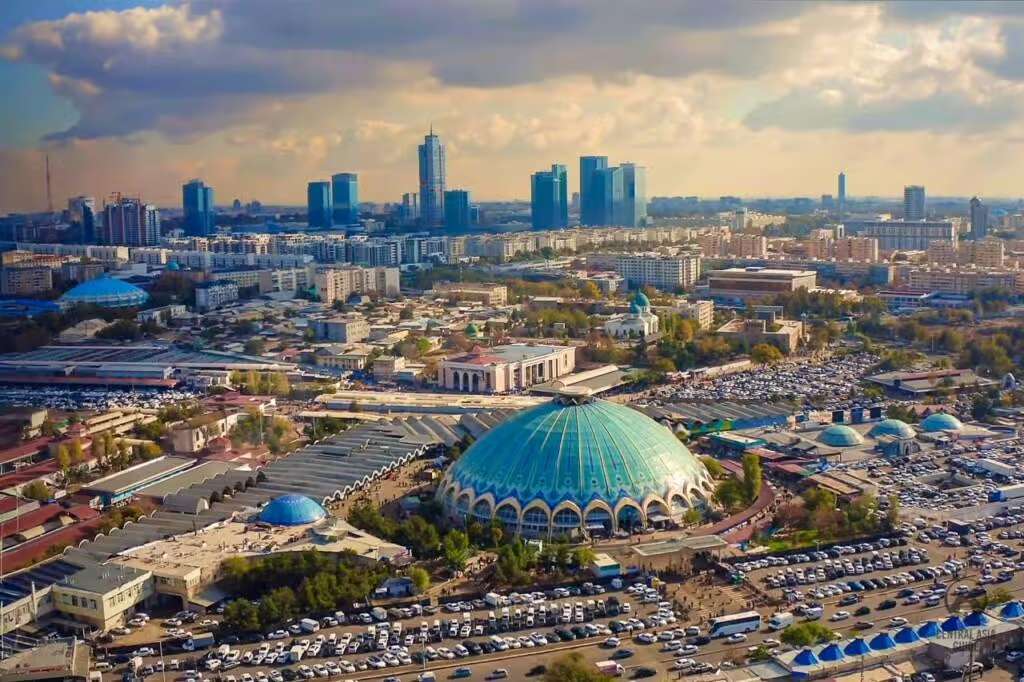
Planning a trip to Uzbekistan’s vibrant capital? The Ultimate Guide to Visiting Tashkent is your essential roadmap to experiencing this dynamic city like a local. From its Soviet-era architecture and bustling bazaars to modern metro stations and rich cultural heritage, Tashkent blends history, tradition, and modernity in one unforgettable destination. Whether you’re a first-time traveler or returning for deeper exploration, this comprehensive guide covers everything you need—transport, food, attractions, safety, and hidden gems—to make your visit smooth, enriching, and truly memorable.
Why Visit Tashkent? A Cultural and Historical Crossroads
Tashkent isn’t just Uzbekistan’s political and economic hub—it’s a living museum of Silk Road history, Soviet influence, and Central Asian resilience. As one of the oldest continuously inhabited cities in the region, it has absorbed Persian, Russian, and Turkic cultures, creating a unique urban identity. Today, visitors are drawn to its wide tree-lined boulevards, ornate mausoleums, and a culinary scene that fuses flavors from across the continent. The city’s transformation since independence in 1991 has been remarkable, balancing modernization with deep respect for tradition.
What sets Tashkent apart is its accessibility and hospitality. Unlike more remote Silk Road destinations, the city offers excellent infrastructure, English signage in key areas, and a growing number of international-standard hotels and restaurants. It’s also a major transit point for travelers heading to Samarkand, Bukhara, or the Fergana Valley. Whether you’re exploring ancient Islamic architecture, sampling plov at a local chaikhana, or riding one of the world’s most beautifully decorated metro systems, Tashkent delivers an authentic yet comfortable travel experience.
Best Time to Visit Tashkent: Weather and Events
The ideal time to visit Tashkent is during spring (April to June) and autumn (September to October), when temperatures are mild and skies are clear. Spring brings blooming apricot and apple trees, especially in parks like Alisher Navoi and Independence Square, while autumn offers golden foliage and crisp air perfect for walking tours. These seasons also avoid the extreme heat of summer, when temperatures can soar above 40°C (104°F), and the cold, sometimes snowy conditions of winter.
Travelers should also consider local festivals and holidays. Navruz, the Persian New Year celebrated in March, transforms the city with street performances, traditional music, and food stalls. The Tashkent International Film Festival in October attracts global cinema enthusiasts, while the annual Plov Festival in November highlights Uzbekistan’s national dish with cooking competitions and cultural shows. Avoid major holidays like Eid al-Fitr and Eid al-Adha if possible, as many businesses close and transport can be crowded. Planning around these events ensures a smoother, more immersive experience.
Getting to Tashkent: Flights, Trains, and Border Crossings
Tashkent International Airport (TAS) is the main gateway, serving direct flights from cities like Istanbul, Dubai, Moscow, Beijing, and Istanbul. Airlines such as Uzbekistan Airways, Turkish Airlines, and Aeroflot offer frequent connections, making it easy to reach from Europe, Asia, and the Middle East. The airport is modern and efficient, with clear signage, currency exchange, and free Wi-Fi. Upon arrival, travelers can use the Aeroexpress train to reach the city center in under 30 minutes or opt for taxis and ride-hailing apps like Yandex.Go.
For overland travelers, Tashkent is well-connected by rail and road. High-speed trains link the city to Samarkand (2 hours) and Bukhara (3.5 hours), offering comfortable, air-conditioned carriages and scenic views of the countryside. International trains run from Almaty (Kazakhstan) and Ashgabat (Turkmenistan), though schedules can be infrequent. Border crossings with Kazakhstan and Kyrgyzstan are open to most nationalities, but visas and documentation should be checked in advance. Driving into Tashkent is possible but not recommended for first-time visitors due to traffic and parking challenges.
Getting Around Tashkent: Transport Options and Tips
Tashkent boasts one of the most efficient and affordable public transport systems in Central Asia. The metro, opened in 1977, is not only functional but also an attraction in itself. Each station is uniquely decorated with marble, mosaics, and chandeliers, reflecting themes from Uzbek history and culture. A single ride costs less than $0.30, and the system covers most major districts, including the city center, railway station, and airport. Trains run frequently from 6:00 AM to midnight, making it ideal for daily commuting and sightseeing.
In addition to the metro, Tashkent has an extensive network of buses and minibuses (marshrutkas). While buses are cheaper, marshrutkas are faster and more direct, though they can be crowded and lack English signage. Taxis are widely available and reasonably priced, especially with apps like Yandex.Go and Bolt, which offer upfront pricing and cashless payments. Walking is enjoyable in pedestrian-friendly zones like Amir Timur Square and Broadway Street, but be cautious of traffic and uneven sidewalks. For longer distances or day trips, renting a car with a driver is recommended over self-driving.
Where to Stay in Tashkent: Hotels, Hostels, and Neighborhoods
Tashkent offers a wide range of accommodations to suit every budget and travel style. Luxury travelers will appreciate international chains like the Hyatt Regency, InterContinental, and Lotte Hotel, which feature spas, fine dining, and business centers. Mid-range options such as Hotel Uzbekistan and Shodlik Palace provide excellent value with modern amenities, central locations, and friendly service. Budget-conscious visitors can choose from clean, safe hostels like Tashkent Backpackers or guesthouses in residential areas, often including breakfast and local tips.
Location matters when choosing where to stay. The city center, around Amir Timur Square and Independence Square, is ideal for first-time visitors, with easy access to museums, restaurants, and transport. The Mirabad district is quieter and more residential, popular with families and long-term stays. The Shaykhontohur area offers a mix of historic charm and modern convenience, while the airport zone suits transit travelers. Regardless of location, most accommodations offer free Wi-Fi, air conditioning, and 24-hour reception. Booking in advance, especially during peak seasons, ensures better rates and availability.
Top Attractions in Tashkent: Must-See Sights and Hidden Gems
No visit to Tashkent is complete without exploring its iconic landmarks. The Khast Imam Complex is a spiritual and historical treasure, housing the world’s oldest surviving Quran, dating back to the 7th century. Nearby, the Telyashayakh Mosque and Barak-Khan Madrasah showcase exquisite Islamic architecture. The Amir Timur Museum, dedicated to the 14th-century conqueror, features artifacts, manuscripts, and a stunning blue dome. Independence Square, the city’s symbolic heart, is surrounded by government buildings, fountains, and monuments celebrating national pride.
For a deeper dive into local life, visit Chorsu Bazaar, a vibrant marketplace where vendors sell spices, dried fruits, ceramics, and traditional textiles. The nearby Museum of Applied Arts displays Uzbek crafts, from suzani embroidery to wood carving. Nature lovers should head to the Tashkent Tower, one of the tallest structures in Central Asia, offering panoramic views from its observation deck. The Minor Mosque, with its minimalist design and serene courtyard, provides a peaceful escape from the city’s energy. Don’t miss the Alisher Navoi Opera and Ballet Theatre for a dose of high culture.
Experiencing Tashkent’s Food Scene: Dishes, Restaurants, and Street Eats
Tashkent’s culinary landscape is a delicious reflection of its multicultural heritage. Plov (pilaf) is the undisputed star—slow-cooked rice with lamb, carrots, raisins, and cumin, often prepared in massive kazans over open flames. Try it at Central Asian Plov Center or the legendary Tashkent Plov Center, where locals queue daily. Lagman, a hearty noodle soup with vegetables and meat, is another staple, best enjoyed at chaikhanas (teahouses) like Samarkand or Navruz. Samsa (meat-filled pastries) and manti (steamed dumplings) are perfect for on-the-go snacking.
For a fine dining experience, restaurants like Sycamore and Caravan offer modern takes on Uzbek cuisine with elegant presentation and wine pairings. Vegetarians will find plenty of options, including fresh salads, grilled vegetables, and dairy-based dishes like kurt (dried cheese balls). Street food is safe and abundant—look for shashlik (grilled meat skewers), fresh bread from tandoor ovens, and seasonal fruits like pomegranates and melons. Don’t forget to sip on green tea, a national ritual, often served with sweets like halva or navat (crystallized sugar).
Cultural Etiquette and Travel Tips for Tashkent
Respecting local customs enhances your experience in Tashkent. Dress modestly, especially when visiting religious sites—women should cover shoulders and knees, and men should avoid shorts. Always remove shoes before entering mosques or homes. Greetings are important; a simple “Salom” (hello) with a smile goes a long way. When invited to a local’s home, bring a small gift like fruit or sweets, and wait to be seated. Meals are often communal, with shared dishes placed in the center of the table.
Language can be a barrier, as Russian is widely spoken and Uzbek is the official language. Learning a few basic phrases in Uzbek—like “Rahmat” (thank you) or “Qancha?” (how much?)—shows respect and helps in markets. Tipping is not mandatory but appreciated in restaurants (5–10%) and for guides. Bargaining is expected in bazaars, but keep it friendly and lighthearted. Avoid discussing politics or religion unless initiated by a local. Most importantly, embrace the pace of life—Uzbeks value hospitality and conversation over haste.
Safety, Health, and Practical Information
Tashkent is generally safe for travelers, with low crime rates and a visible police presence. Petty theft, such as pickpocketing in crowded markets, can occur, so keep valuables secure and avoid flashing expensive items. Use licensed taxis or ride-hailing apps, especially at night. The city is pedestrian-friendly, but traffic can be chaotic—always use crosswalks and look both ways. Emergency numbers include 101 (fire), 102 (police), and 103 (ambulance), though English-speaking operators may be limited.
Healthcare in Tashkent is adequate for routine issues, with private clinics like MediClub and American Medical Clinic offering international standards. Pharmacies are widespread and well-stocked, but bring prescriptions for specialized medications. Tap water is not safe to drink; opt for bottled water or filtered options. Travel insurance is strongly recommended, covering medical evacuation if needed. The climate can be extreme, so stay hydrated in summer and dress warmly in winter. Lastly, ensure your passport is valid for at least six months and check visa requirements based on your nationality.
Day Trips and Excursions from Tashkent
While Tashkent itself is rich in experiences, several day trips offer a glimpse into Uzbekistan’s diverse landscapes and history. Khiva and Bukhara are popular but require overnight stays; however, Samarkand is reachable via high-speed train in just two hours. Known for its stunning Registan Square and Gur-e-Amir mausoleum, Samarkand is a UNESCO World Heritage Site and a must-see for any Silk Road enthusiast. Many travelers use Tashkent as a base for a multi-city tour.
For a closer escape, visit the Chimgan Mountains, just 80 km northwest of the city. This alpine region offers hiking, skiing in winter, and fresh mountain air. The nearby Charvak Reservoir is perfect for picnics, boating, and swimming in summer. Another option is the city of Jizzakh, known for its ancient fortresses and archaeological sites. These excursions provide a refreshing contrast to urban life and showcase the natural beauty surrounding Tashkent.
Shopping in Tashkent: Souvenirs, Markets, and Bargaining Tips
Shopping in Tashkent is a delightful adventure, blending traditional crafts with modern boutiques. Chorsu Bazaar is the ultimate destination for authentic souvenirs—look for hand-embroidered suzani textiles, ceramic plates with blue patterns, and carved wooden jewelry boxes. Spices like cumin, saffron, and barberries make great edible gifts. For higher-end shopping, visit the TSUM Department Store or the modern Mega Planet Mall, which features international brands and a food court.
When bargaining, start at about 50% of the asking price and negotiate politely. Vendors expect some haggling, but aggressive tactics can sour the experience. Pay in cash, preferably in Uzbek som, as credit cards are not widely accepted in markets. Keep receipts for valuable items, especially if planning to export antiques or art. Don’t forget to sample local sweets like halva or pakhlava while shopping—many stalls offer free tastings.
Key Takeaways for Visiting Tashkent
- Best Time to Visit: Spring (April–June) and autumn (September–October) offer ideal weather and fewer crowds.
- Transport: Use the metro for affordable, scenic travel; taxis and ride-hailing apps are convenient for longer trips.
- Must-See Attractions: Khast Imam Complex, Amir Timur Museum, Chorsu Bazaar, and the Tashkent Metro stations.
- Food Highlights: Try plov, lagman, samsa, and shashlik at local chaikhanas and street stalls.
- Cultural Tips: Dress modestly, greet with “Salom,” and embrace hospitality and slow-paced interactions.
- Safety: The city is safe, but stay alert in crowded areas and use licensed transport.
- Day Trips: Samarkand (by train), Chimgan Mountains, and Charvak Reservoir are top nearby escapes.
- Shopping: Bargain at Chorsu Bazaar for suzani, ceramics, and spices; visit malls for modern goods.
Conclusion: Why Tashkent Deserves a Spot on Your Travel List
Tashkent is more than a transit hub—it’s a city of contrasts, where ancient traditions meet modern ambition. From its awe-inspiring metro stations to its fragrant bazaars and warm-hearted people, every corner tells a story. Whether you’re savoring a bowl of plov under a shaded courtyard or marveling at the call to prayer echoing from a centuries-old minaret, Tashkent offers an authentic, enriching experience that lingers long after you leave. With its improving infrastructure, rich culture, and strategic location, it’s the perfect starting point for exploring all of Uzbekistan.
This Ultimate Guide to Visiting Tashkent equips you with everything needed for a seamless and memorable journey. Plan wisely, travel respectfully, and open your mind to the rhythms of Central Asian life. Tashkent may not be as famous as Samarkand or Bukhara, but its quiet charm, historical depth, and modern vitality make it a destination worth discovering. Pack your bags, bring your curiosity, and let Tashkent surprise you.
FAQs About Visiting Tashkent
Do I need a visa to visit Tashkent?
Visa requirements depend on your nationality. Citizens of the EU, US, UK, Canada, and many others can enter visa-free for up to 30 days. Check the official website of the Uzbek Ministry of Foreign Affairs or consult your nearest embassy for the latest regulations. E-visas are also available online for eligible travelers.
Is Tashkent safe for solo female travelers?
Yes, Tashkent is generally safe for solo female travelers. The city is well-policed, and locals are respectful. However, it’s advisable to dress modestly, avoid walking alone late at night, and use trusted transport. Staying in central, well-reviewed accommodations also enhances safety.
What currency is used in Tashkent, and can I use cards?
The official currency is the Uzbek som (UZS). Cash is preferred, especially in markets and small restaurants. ATMs are widely available, and major hotels and malls accept credit cards. Inform your bank of travel plans to avoid card blocks.
