
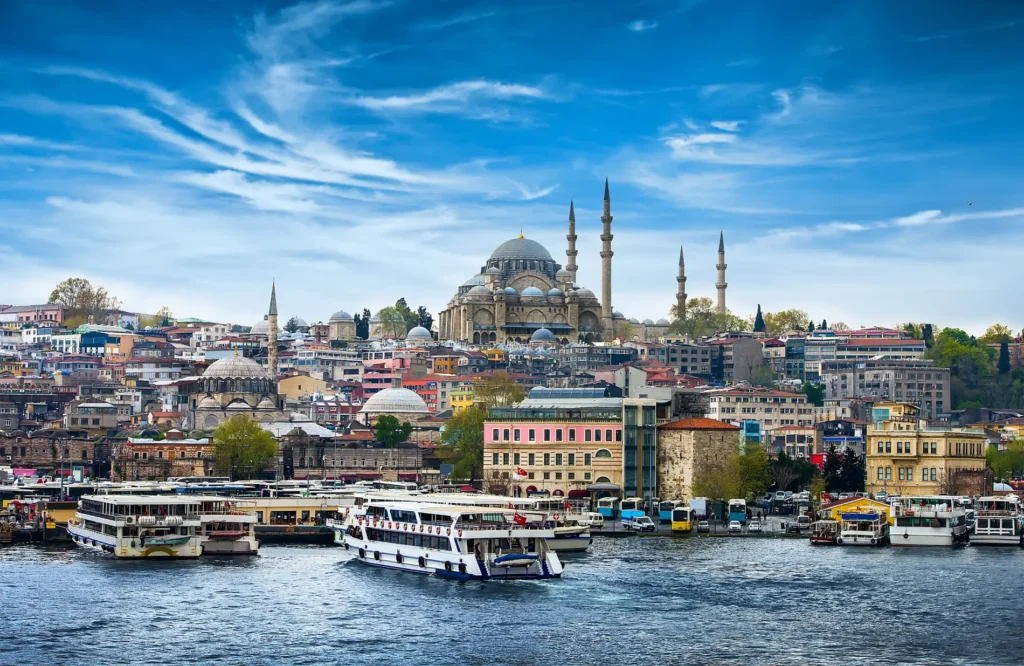
Istanbul is a city like no other—where ancient history meets vibrant modern life, and Europe blends seamlessly with Asia. If you’re searching for a destination that offers rich culture, breathtaking architecture, and unforgettable experiences, look no further. This complete travel guide will help you discover the charm of Istanbul, from its iconic landmarks to hidden local gems. Whether you’re planning your first visit or returning to explore deeper, this guide covers everything you need to know to make the most of your trip to one of the world’s most captivating cities.
Why Istanbul Captivates Every Traveler
Istanbul isn’t just a city—it’s a living museum, a cultural crossroads, and a sensory feast all in one. Spanning two continents, it has served as the capital of three great empires: Roman, Byzantine, and Ottoman. This layered history is visible in every corner, from the domes of Hagia Sophia to the bustling alleys of the Grand Bazaar. The city’s unique geography, straddling the Bosphorus Strait, adds to its mystique, offering stunning waterfront views and a constant flow of ferries, ships, and seagulls.
What truly sets Istanbul apart is its ability to surprise. Beyond the postcard-perfect sights lies a city of warm hospitality, rich traditions, and a rhythm that blends the old with the new. Locals sip Turkish coffee in centuries-old cafes, while young artists showcase contemporary works in converted Ottoman mansions. The city pulses with energy, yet retains a sense of timelessness. Whether you’re wandering through historic neighborhoods or enjoying a sunset cruise on the Bosphorus, you’ll quickly understand why so many travelers fall in love with Istanbul.
Top Attractions to Discover the Charm of Istanbul
To truly discover the charm of Istanbul, you must visit its most iconic landmarks. Start with the Hagia Sophia, a masterpiece of Byzantine architecture that has served as a church, mosque, and now a museum. Its massive dome and stunning mosaics leave visitors in awe. Just a short walk away, the Blue Mosque (Sultanahmet Camii) dazzles with its six minarets and intricate blue tiles. Both landmarks sit in Sultanahmet Square, the historic heart of the city, surrounded by gardens and ancient ruins.
No visit is complete without exploring the Topkapi Palace, once the residence of Ottoman sultans. Wander through its opulent courtyards, harem quarters, and treasury filled with jewels, weapons, and relics. Nearby, the Basilica Cistern offers an otherworldly experience—an underground water reservoir supported by 336 columns, with eerie lighting and the famous Medusa heads. These sites not only showcase Istanbul’s imperial past but also provide insight into the daily lives of those who shaped its history.
Hidden Gems Beyond the Main Squares
While the major attractions are a must, some of Istanbul’s greatest charm lies in its lesser-known spots. The Chora Church (Kariye Museum) features some of the most exquisite Byzantine frescoes and mosaics in the city, often overlooked by tourists. For a quieter experience, visit the Yerebatan Sarnıcı (Basilica Cistern) early in the morning or explore the peaceful gardens of Gülhane Park, once part of the Topkapi Palace grounds.
Another hidden treasure is the neighborhood of Balat, with its colorful houses, narrow cobblestone streets, and historic synagogues and churches. It’s a favorite among photographers and artists. Similarly, the district of Kuzguncuk offers a tranquil escape with its wooden Ottoman houses and waterfront views. These areas provide a more intimate look at Istanbul’s diverse communities and architectural heritage, away from the crowds.
Exploring Istanbul’s Neighborhoods: A Local’s Perspective
To truly discover the charm of Istanbul, step beyond the tourist trail and explore its diverse neighborhoods. Each district has its own personality, shaped by centuries of migration, trade, and cultural exchange. Start in Sultanahmet, the historic center, where ancient monuments dominate the skyline. Then head to Eminönü, a bustling hub near the Golden Horn, known for its street food, ferries, and the iconic Galata Bridge.
Cross the bridge to Karaköy, a rapidly evolving area blending old and new. Once a working-class port, it’s now home to art galleries, design shops, and trendy cafes. Nearby, the Galata Tower offers panoramic views of the city and a glimpse into medieval Istanbul. For a more bohemian vibe, visit Cihangir, a leafy neighborhood filled with independent boutiques, art studios, and cozy cafes. It’s a favorite among locals and creatives.
Asian Side Charms: Üsküdar and Kadıköy
Don’t miss the Asian side of Istanbul, accessible via ferry or the Marmaray tunnel. Üsküdar is a historic district with beautiful mosques, such as the Mihrimah Sultan Mosque, and a relaxed atmosphere. It’s also home to the Maiden’s Tower (Kız Kulesi), a small fortress on a tiny island in the Bosphorus, steeped in legend.
Just a short ferry ride away, Kadıköy buzzes with energy. This vibrant neighborhood is known for its food scene, with bustling markets like the Kadıköy Market offering fresh seafood, spices, and local delicacies. Stroll along the Moda coastline, enjoy a Turkish breakfast at a seaside café, or explore the many bookshops and vintage stores. The Asian side offers a different pace and perspective, showcasing Istanbul’s modern, youthful side.
Experiencing Istanbul’s Culture and Traditions
Istanbul’s culture is a rich tapestry woven from centuries of influence. Religion, art, music, and cuisine all play vital roles in daily life. Islam is the dominant faith, and you’ll hear the call to prayer echoing across the city five times a day. Mosques are not just places of worship but also architectural wonders, open to visitors outside of prayer times. Respect local customs by dressing modestly when visiting religious sites.
Art and music thrive in Istanbul. The city hosts numerous festivals, including the Istanbul Music Festival and the Istanbul Biennial, attracting international artists and audiences. Traditional Turkish music, from classical Ottoman compositions to folk melodies, can be enjoyed in meyhanes (taverns) or cultural centers. Don’t miss a performance of the whirling dervishes, a spiritual dance rooted in Sufi tradition, often held at the Galata Mevlevihanesi.
Festivals and Local Celebrations
Istanbul comes alive during festivals and public holidays. Ramadan, or Ramazan in Turkish, is a special time when the city transforms after sunset. Streets fill with lanterns, and families gather for iftar (the evening meal). The streets around mosques and bazaars are especially lively. Another highlight is the Istanbul Tulip Festival in spring, when parks and gardens burst into color with millions of tulips in various patterns and designs.
The Republic Day celebrations on October 29th feature parades, concerts, and fireworks, especially around Taksim Square and the Bosphorus. These events offer a chance to experience Turkish patriotism and community spirit. Even smaller neighborhood festivals, like the Kadıköy Grape Festival, showcase local traditions and bring people together in joyful celebration.
Food and Drink: A Culinary Journey Through Istanbul
To discover the charm of Istanbul is to savor its incredible cuisine. Turkish food is a fusion of Central Asian, Middle Eastern, and Mediterranean flavors, with an emphasis on fresh ingredients, spices, and time-honored techniques. Start your day with a traditional Turkish breakfast—menemen (scrambled eggs with tomatoes and peppers), olives, cheese, honey, and freshly baked bread, often served with çay (Turkish tea).
For lunch, try döner kebab, lahmacun (Turkish pizza), or a hearty bowl of mercimek çorbası (lentil soup). Street food is abundant and delicious—grilled corn, simit (sesame rings), and balık ekmek (fish sandwiches) from boats along the Bosphorus. Don’t miss a visit to a local baklava shop for sweet treats like baklava, künefe, and Turkish delight. Pair your meal with ayran, a refreshing yogurt drink, or a glass of rakı, the national anise-flavored spirit.
Where to Eat Like a Local
For an authentic experience, dine where the locals go. In Karaköy, try Karaköy Güllüoğlu for the best baklava in the city. In Kadıköy, the market stalls offer everything from fresh seafood to spiced meats. For a fine dining experience, head to Mikla in Beyoğlu, which blends Turkish flavors with Scandinavian techniques. Don’t forget to visit a traditional Turkish coffee house, where you can sip strong, unfiltered coffee and play backgammon.
Tea is a cornerstone of Turkish hospitality. You’ll be offered çay almost everywhere—on buses, in shops, during meetings. It’s served in small tulip-shaped glasses and often accompanied by sugar cubes. Coffee, on the other hand, is a ritual. Turkish coffee is brewed slowly in a cezve and served with a cardamom scent. Try it at Mandabatmaz in Beyoğlu, known for its rich, velvety brew.
Getting Around Istanbul: Transportation Tips
Istanbul is a large city, but its public transportation system is efficient and affordable. The Istanbulkart, a rechargeable smart card, is essential for using buses, trams, ferries, and the metro. It can be purchased at kiosks and topped up at stations. The metro and tram lines connect major attractions, while the ferry system offers scenic routes across the Bosphorus and to the Princes’ Islands.
Walking is one of the best ways to explore Istanbul, especially in historic areas like Sultanahmet and Beyoğlu. Many neighborhoods are pedestrian-friendly, with narrow streets and hidden courtyards waiting to be discovered. For longer distances, consider taking a taxi or using ride-sharing apps like BiTaksi. Just be sure to agree on a fare or ensure the meter is running.
Ferries: The Heart of Istanbul’s Transit
Ferries are not just transportation—they’re an experience. The Bosphorus ferry ride offers stunning views of palaces, mosques, and waterfront mansions. Regular routes connect the European and Asian sides, with stops at Eminönü, Karaköy, Üsküdar, and Kadıköy. The journey takes about 30–45 minutes and costs just a few lira. For a more leisurely trip, consider a private Bosphorus cruise at sunset, when the city glows in golden light.
Another scenic option is the ferry to the Princes’ Islands, a car-free archipelago south of the city. Büyükada, the largest island, is perfect for biking, horse-drawn carriage rides, and quiet beaches. It’s a peaceful retreat from the urban hustle, with Victorian-era mansions and pine forests. Ferries depart from Kabataş and take about an hour.
Shopping in Istanbul: From Bazaars to Boutiques
Shopping in Istanbul is an adventure in itself. The Grand Bazaar (Kapalıçarşı) is one of the oldest and largest covered markets in the world, with over 4,000 shops selling everything from spices and textiles to jewelry and ceramics. It’s a maze of alleys where bargaining is expected, so be prepared to negotiate. Nearby, the Spice Bazaar (Mısır Çarşısı) offers fragrant herbs, teas, and Turkish delight.
For modern shopping, head to Nişantaşı, Istanbul’s upscale district, where international brands and luxury boutiques line the streets. Alternatively, explore the vintage shops and indie designers in Beyoğlu and Cihangir. Don’t forget to pick up a handmade Turkish rug or kilim—just be sure to shop at reputable dealers and understand the differences between machine-made and handwoven pieces.
Souvenirs with Soul
When choosing souvenirs, look for items that reflect Istanbul’s craftsmanship. Hand-painted ceramics from Çanakkale, evil eye talismans, and miniature replicas of the Hagia Sophia make meaningful keepsakes. Turkish delight, packaged in decorative boxes, is a popular edible gift. For something unique, consider a custom-made evil eye bracelet or a piece of calligraphy art.
Avoid mass-produced trinkets and support local artisans whenever possible. Many shops in the Grand Bazaar and Arasta Bazaar are family-run and have been in business for generations. Purchasing directly from them ensures authenticity and helps preserve traditional crafts.
Key Takeaways
- Discover the charm of Istanbul by exploring its historic landmarks, vibrant neighborhoods, and rich cultural traditions.
- Visit must-see sites like Hagia Sophia, the Blue Mosque, and Topkapi Palace, but also seek out hidden gems like Chora Church and Balat.
- Experience local life on both the European and Asian sides, especially in districts like Kadıköy and Üsküdar.
- Savor authentic Turkish cuisine, from street food to fine dining, and don’t miss Turkish coffee and tea.
- Use public transportation, especially ferries and the Istanbulkart, to navigate the city efficiently.
- Shop wisely in bazaars and boutiques, supporting local artisans and avoiding counterfeit goods.
Conclusion
Istanbul is a city that stays with you long after you’ve left. Its blend of history, culture, and modern energy creates an experience unlike any other. Whether you’re marveling at ancient architecture, savoring a perfect cup of Turkish coffee, or watching the sunset over the Bosphorus, you’ll find endless reasons to return. This complete travel guide equips you with everything you need to discover the charm of Istanbul—not just as a tourist, but as a traveler seeking depth, connection, and wonder. Pack your bags, embrace the unexpected, and let Istanbul reveal its secrets to you.
FAQs
What is the best time to visit Istanbul?
The best times to visit Istanbul are during spring (April to June) and fall (September to November), when the weather is mild and the city is less crowded. Summers can be hot and humid, while winters are cold and rainy, but still manageable with proper clothing.
Do I need a visa to visit Istanbul?
Most travelers need a visa to enter Turkey. Citizens of many countries, including the U.S., UK, and EU nations, can obtain an e-Visa online before arrival. Check the official Turkish government website for the most up-to-date visa requirements based on your nationality.
Is Istanbul safe for tourists?
Yes, Istanbul is generally safe for tourists. Like any major city, it’s important to stay aware of your surroundings, avoid crowded areas during political events, and keep your belongings secure. Petty theft, such as pickpocketing, can occur in busy areas like the Grand Bazaar and public transport, so remain vigilant.
