
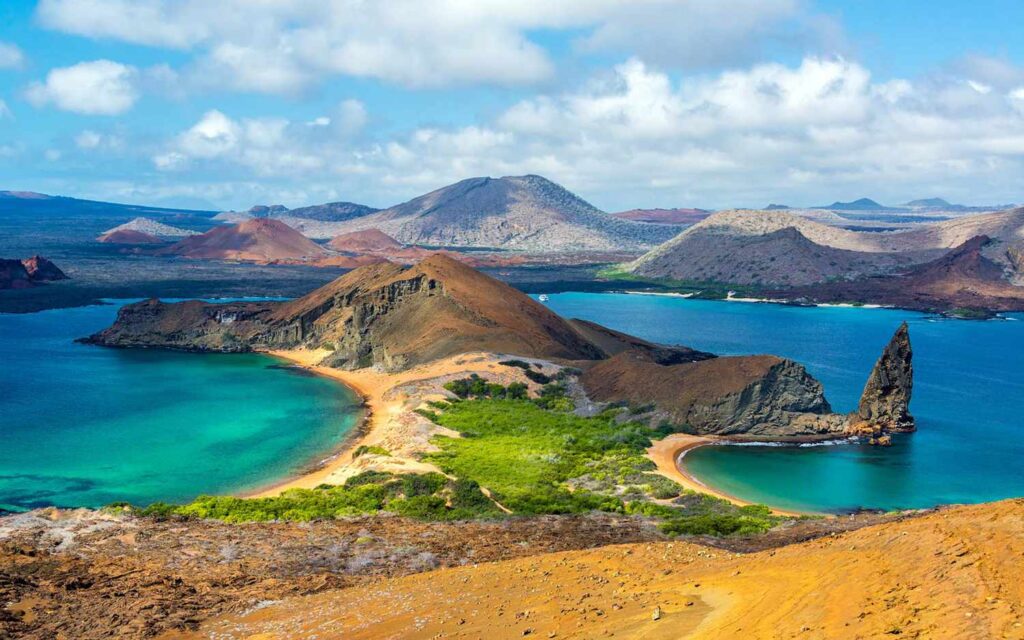
Dreaming of a destination where evolution unfolds before your eyes and wildlife roams freely without fear? The Galápagos Islands travel guide is your essential roadmap to one of Earth’s most unique ecosystems. Located 1,000 kilometers off Ecuador’s coast in the Pacific Ocean, this volcanic archipelago is a living laboratory of biodiversity. From giant tortoises to blue-footed boobies, every encounter feels like stepping into a natural history documentary. Whether you’re planning a cruise, a land-based tour, or an eco-adventure, this guide delivers expert wildlife insights and practical travel tips to help you explore responsibly and memorably.
Why the Galápagos Islands Are a Wildlife Lover’s Paradise
The Galápagos Islands are a UNESCO World Heritage Site and a cornerstone of evolutionary science. Made famous by Charles Darwin’s observations in 1835, the islands host an extraordinary array of endemic species found nowhere else on the planet. The isolation of the archipelago has allowed wildlife to evolve in remarkable ways, resulting in fearless animals that often approach visitors with curiosity rather than caution. This lack of natural predators has created a rare environment where humans can observe animals up close—without disturbing their natural behaviors.
From marine iguanas that dive into the ocean to feed on algae, to flightless cormorants with vestigial wings, the Galápagos showcase nature’s adaptability. The islands are home to over 9,000 known species, with new ones still being discovered. Whether you’re snorkeling with sea lions, hiking volcanic craters, or watching waved albatrosses perform their elaborate mating dances, every moment offers a front-row seat to the wonders of evolution. This unparalleled wildlife experience makes the Galápagos a bucket-list destination for nature enthusiasts, photographers, and eco-travelers alike.
Top Wildlife Encounters in the Galápagos Islands
One of the most iconic experiences in the Galápagos is encountering the giant tortoise. These gentle giants, some weighing over 400 pounds and living more than 100 years, are symbols of the islands. Visit the Charles Darwin Research Station on Santa Cruz Island to learn about conservation efforts, or head to the highlands of Santa Cruz or Isabela to see wild tortoises grazing in their natural habitat. Each island hosts distinct subspecies, offering a fascinating glimpse into how isolation shapes evolution.
Marine life is equally spectacular. Snorkeling or diving in the clear waters reveals sea turtles, reef sharks, rays, and schools of colorful fish. The Galápagos Marine Reserve, one of the largest in the world, protects over 130,000 square kilometers of ocean. Sea lions are especially playful—pups often swim alongside snorkelers, while adults lounge on beaches or rocky outcrops. Don’t miss the chance to see penguins, the only species that lives north of the equator, thriving on Isabela and Fernandina islands. These encounters are not just visually stunning—they’re deeply educational and emotionally moving.
Land and Sea Birds Unique to the Galápagos
The Galápagos is a birdwatcher’s dream, with over 50 bird species, 28 of which are endemic. The blue-footed booby, with its comically bright feet and dramatic courtship dance, is a favorite among visitors. Found on islands like Española and North Seymour, these birds perform synchronized sky-pointing and foot-waving rituals to attract mates. Their name comes from the Spanish word “bobo,” meaning clown—fitting for their humorous appearance and behavior.
Another must-see is the waved albatross, the largest bird in the Galápagos. With a wingspan reaching up to 8 feet, these majestic seabirds nest exclusively on Española Island from April to December. Their intricate mating dance, involving bill clapping and sky pointing, is one of nature’s most captivating spectacles. The flightless cormorant, unable to fly due to its small wings, has evolved strong legs for swimming and diving—perfect for catching fish in the cold Humboldt Current. These birds exemplify the islands’ theme of adaptation and survival.
Marine Reptiles and Invertebrates
The Galápagos marine iguana is the only lizard in the world that forages in the ocean. Found on most islands, these black-skinned reptiles dive into the surf to graze on underwater algae. After feeding, they bask in the sun to raise their body temperature—a behavior that often leads to comical group sunbathing sessions on lava rocks. Their unique physiology, including salt-excreting nasal glands, allows them to thrive in this harsh environment.
Other notable marine creatures include the Galápagos penguin, the smallest penguin species in the tropics, and the Galápagos fur seal, which prefers rocky, shaded areas over sandy beaches. Invertebrates like Sally Lightfoot crabs—bright red with blue accents—scuttle across tidal pools, while marine iguanas share space with sea turtles and rays. Even the underwater world is rich with life, from parrotfish and angelfish to the occasional hammerhead shark spotted on deeper dives. Every ecosystem, from shore to seabed, tells a story of resilience and adaptation.
Best Time to Visit the Galápagos Islands
The Galápagos Islands enjoy a subtropical climate year-round, but the best time to visit depends on your interests. The warm season, from December to May, offers calmer seas, warmer water temperatures (up to 28°C or 82°F), and lush, green landscapes. This is ideal for snorkeling, swimming, and observing land birds during their nesting seasons. The cooler, dry season, from June to November, brings nutrient-rich waters that attract more marine life, including whales, dolphins, and sea turtles. While seas can be rougher, this period is perfect for diving and spotting larger pelagic species.
Wildlife activity varies by season. For example, the waved albatross arrives in April and performs its mating dance until December. Marine iguanas turn bright red and green during the breeding season in January and February. Sea lion pups are born between June and November, offering adorable photo opportunities. Planning your trip around specific wildlife events can enhance your experience. However, the Galápagos is magical any time of year—each season offers unique sights and behaviors that reflect the islands’ dynamic natural rhythms.
Weather and Packing Tips
Regardless of when you visit, pack layers. Mornings and evenings can be cool, especially on boat rides or highland hikes. Essentials include a waterproof jacket, quick-dry clothing, sturdy hiking shoes, and reef-safe sunscreen. A hat, sunglasses, and a reusable water bottle are also must-haves. For water activities, bring a mask, snorkel, and fins—though many tour operators provide gear. Don’t forget a waterproof camera or phone case to capture underwater moments.
Sun protection is critical. The equatorial sun is intense, and the reflection off water and lava rocks increases UV exposure. Use biodegradable sunscreen to protect both your skin and the fragile marine environment. Insect repellent is generally unnecessary, as mosquitoes are rare due to the arid climate. However, bring a light scarf or bandana for dusty trails. Packing light is advised, as luggage space on boats and small planes is limited. Focus on versatility and sustainability—your comfort and the islands’ preservation depend on it.
How to Get to the Galápagos Islands
All visitors must fly into one of two airports: Seymour Airport on Baltra Island or San Cristóbal Airport. Flights depart from Quito or Guayaquil in Ecuador and take about 2 hours. Most international travelers connect through these cities, so plan your itinerary accordingly. Upon arrival, you’ll go through a transit control checkpoint where you’ll pay the Galápagos National Park entrance fee (currently $100 for adults, $50 for children under 12) and present your Transit Control Card ($20), which must be purchased online before travel.
From the airport, you’ll transfer to a ferry or small bus to reach your cruise ship or hotel. Most visitors explore the islands via guided tours, either on multi-day cruises or land-based itineraries. Cruises offer access to remote sites and allow for immersive wildlife experiences, while land tours provide more flexibility and comfort. Both options require booking in advance, especially during peak seasons. Independent travel is restricted—all visitors must be accompanied by a certified naturalist guide when visiting protected areas. This ensures minimal environmental impact and enhances educational value.
Choosing Between a Cruise and a Land-Based Tour
Cruises are the most popular way to explore the Galápagos, offering access to multiple islands and remote sites like Genovesa, Española, and Fernandina. Ships range from luxury yachts to small, eco-friendly vessels carrying 16–100 passengers. Smaller boats provide a more intimate experience and better access to landing sites. Cruises typically include meals, guided excursions, snorkeling gear, and expert naturalist guides. They’re ideal for travelers seeking adventure and variety.
Land-based tours, on the other hand, allow you to stay in hotels on inhabited islands like Santa Cruz, San Cristóbal, or Isabela. You can take day trips to nearby sites, enjoy local cuisine, and experience island culture. This option suits those who prefer more comfort, flexibility, or have mobility concerns. Many travelers combine both approaches—starting with a short cruise and ending with a few days on land. Whichever you choose, ensure your tour operator is licensed and follows sustainable tourism practices. Responsible travel protects the islands for future generations.
Essential Travel Tips for the Galápagos Islands
Responsible tourism is critical in the Galápagos. The islands are a protected national park and marine reserve, and strict rules are in place to preserve their fragile ecosystems. Always stay on marked trails, maintain a distance of at least 6 feet from wildlife, and never touch or feed animals. Flash photography is prohibited, and drones are banned without special permits. These guidelines aren’t just suggestions—they’re essential for conservation.
Respect local communities and cultures. The human population is small, with most residents living in Puerto Ayora, Puerto Baquerizo Moreno, or Puerto Villamil. Support local businesses by eating at family-run restaurants, buying handmade crafts, and choosing locally owned tour operators. Learn a few basic Spanish phrases—it goes a long way in building connections. Remember, you’re a guest in a unique and vulnerable environment. Your actions directly impact the islands’ future.
Health and Safety Considerations
No special vaccinations are required for the Galápagos, but routine immunizations should be up to date. Bring a basic first-aid kit with bandages, antiseptic, motion sickness medication, and any personal prescriptions. Tap water is not safe to drink—stick to bottled or filtered water. Food is generally safe, but avoid raw or undercooked seafood to prevent illness.
Sun exposure and dehydration are common risks. Drink plenty of water, especially during hikes and water activities. Be cautious on rocky terrain and slippery surfaces near the shore. If you have medical conditions, consult your doctor before traveling. Travel insurance that covers medical evacuation is highly recommended, as emergency services are limited. Most importantly, listen to your guide—they’re trained to keep you safe while maximizing your wildlife experience.
Sustainable Travel Practices
Traveling sustainably in the Galápagos means minimizing your environmental footprint. Avoid single-use plastics—bring a reusable bag, water bottle, and utensils. Never leave trash behind, even biodegradable items like fruit peels, which can disrupt local ecosystems. Choose eco-certified tour operators that follow the Galápagos National Park’s sustainability guidelines.
Support conservation efforts by visiting the Charles Darwin Research Station or donating to local organizations. Educate yourself about the islands’ challenges, such as invasive species, climate change, and tourism pressure. Share your experience responsibly on social media—avoid geotagging sensitive locations to prevent overcrowding. Every small action contributes to preserving this natural wonder for generations to come.
Key Takeaways
- The Galápagos Islands offer unparalleled wildlife encounters with endemic species like giant tortoises, marine iguanas, and blue-footed boobies.
- Visitors must follow strict conservation rules, including staying on trails, maintaining distance from animals, and using reef-safe products.
- The best time to visit depends on your interests—warm season for snorkeling and nesting birds, cool season for marine life and diving.
- Travel requires flying into Ecuador, paying park fees, and booking guided tours in advance.
- Choose between cruises for remote access or land-based tours for flexibility and comfort.
- Practice sustainable tourism by reducing waste, supporting local businesses, and respecting natural and cultural heritage.
FAQs
Do I need a visa to visit the Galápagos Islands?
Citizens of most countries, including the U.S., Canada, and EU nations, do not need a visa for stays up to 90 days in Ecuador, which includes the Galápagos. However, you must obtain a Transit Control Card ($20) and pay the Galápagos National Park entrance fee ($100 for adults) upon arrival. Check Ecuador’s official immigration website for the latest requirements based on your nationality.
Can I travel independently in the Galápagos?
Independent travel is limited. All visitors must be accompanied by a certified naturalist guide when visiting protected areas. You can stay on inhabited islands and explore nearby sites on day tours, but access to remote islands and national park zones requires a guided tour. This ensures environmental protection and enhances your educational experience.
Is it safe to snorkel and dive in the Galápagos?
Yes, snorkeling and diving are generally safe, but conditions can vary. Strong currents, cold water (especially June–November), and marine life require caution. Always snorkel with a guide, wear a life vest, and avoid touching coral or animals. Certified divers should choose reputable operators and check equipment thoroughly. Beginners can enjoy calm bays like Los Túneles or Cerro Brujo, while advanced divers may explore sites like Darwin and Wolf Islands.
Conclusion
The Galápagos Islands are more than a destination—they’re a transformative experience. This Galápagos Islands travel guide equips you with the knowledge to explore responsibly, witness incredible wildlife, and contribute to conservation. From planning your trip and choosing the right tour to packing wisely and respecting local rules, every decision shapes your impact. Whether you’re marveling at a giant tortoise, swimming with sea lions, or watching a blue-footed booby dance, the memories will last a lifetime. Travel with curiosity, humility, and care—because the Galápagos isn’t just a place to visit. It’s a place to protect.
