
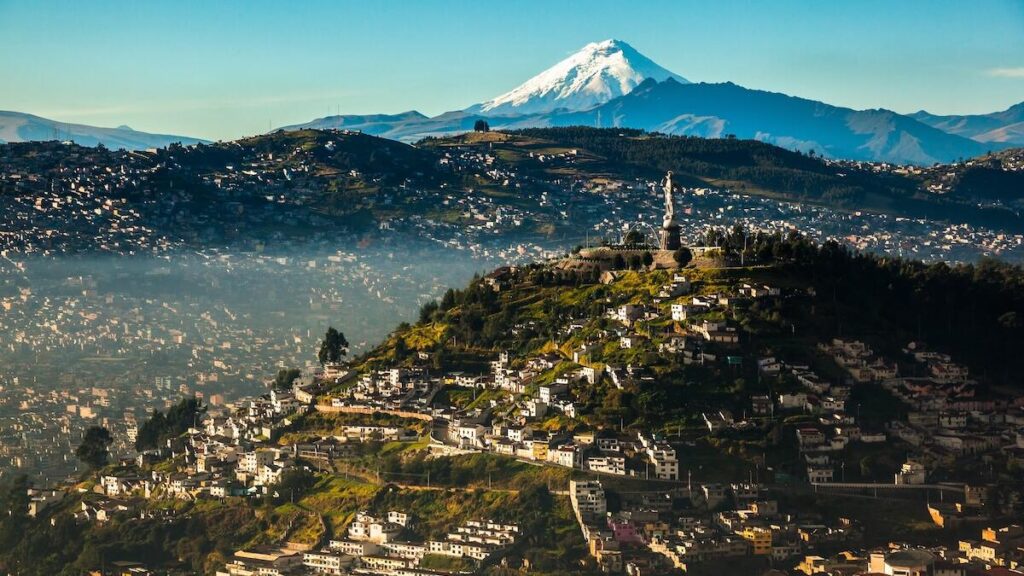
Planning a trip to Ecuador’s highland capital? This Quito travel guide delivers everything you need to explore the city like a local. From its UNESCO-listed historic center to panoramic viewpoints and nearby natural wonders, Quito blends colonial charm with Andean culture. Whether you’re drawn to cobblestone streets, indigenous markets, or high-altitude adventures, this guide covers the best places to visit, essential travel tips, and insider advice to make your journey smooth and unforgettable. Let’s dive into the heart of Ecuador’s capital—where altitude meets authenticity.
Why Visit Quito? A Cultural and Geographic Gem
Quito isn’t just Ecuador’s capital—it’s a living museum perched at 2,850 meters above sea level, making it one of the highest capital cities in the world. Its strategic location in the Andes Mountains offers dramatic landscapes, crisp mountain air, and a climate that’s spring-like year-round. But what truly sets Quito apart is its remarkably preserved historic center, declared a UNESCO World Heritage Site in 1978. Wander through narrow alleys lined with pastel-colored buildings, ornate churches, and bustling plazas that echo centuries of Spanish colonial influence and indigenous heritage.
Beyond its architectural beauty, Quito serves as the cultural and spiritual heart of Ecuador. It’s a city where traditional Andean customs coexist with modern urban life. Locals greet each other with warmth, street food sizzles on every corner, and festivals like Inti Raymi and Fiestas de Quito bring the city alive with music, dance, and color. Whether you’re a history buff, foodie, or nature lover, Quito offers a rich, immersive experience that few South American cities can match.
Top Attractions in Quito: Must-Visit Places
No Quito travel guide would be complete without highlighting its iconic landmarks. Start your journey at the Plaza Grande (Plaza de la Independencia), the city’s main square surrounded by the Presidential Palace, Metropolitan Cathedral, and Archbishop’s Palace. This is the political and religious epicenter of Ecuador, and a great place to people-watch or snap photos of colonial facades. Just a short walk away, the La Compañía de Jesús Church dazzles with its gold-leaf interior—a masterpiece of Baroque architecture that took over 150 years to complete.
For panoramic views, head to El Panecillo, a hill crowned by the 45-meter-tall Virgin of Quito statue. The viewpoint offers sweeping vistas of the city, the surrounding mountains, and on clear days, the distant peaks of the Pichincha Volcano. Don’t miss the TelefériQo, a cable car that whisks you up to Cruz Loma at over 4,100 meters. At the top, hiking trails lead through páramo ecosystems, and the views of Quito below are simply breathtaking. These attractions form the backbone of any Quito itinerary.
Exploring Quito’s Historic Center: A Walking Tour
The Historic Center of Quito is best explored on foot. Begin at the San Francisco Plaza, home to one of the oldest and most significant religious complexes in South America. The San Francisco Church and Monastery date back to the 16th century and house an impressive collection of colonial art, including sculptures and paintings by indigenous artists. The adjacent market, Mercado San Francisco, is perfect for picking up handmade crafts, textiles, and local snacks like empanadas de viento.
From there, stroll toward Calle La Ronda, a restored cobblestone street that comes alive in the evenings with live music, poetry readings, and traditional performances. This bohemian lane is lined with cafes, artisan shops, and family-run restaurants serving authentic Ecuadorian dishes. As you walk, notice the intricate wooden balconies, tiled roofs, and hidden courtyards that give the neighborhood its charm. Guided walking tours are available and highly recommended for deeper historical context.
Another highlight is the Museo de la Ciudad, housed in a former hospital complex. This museum offers a fascinating look at Quito’s evolution from pre-Columbian times to the present. Exhibits include archaeological finds, interactive displays, and recreated colonial rooms. It’s an excellent way to understand the city’s layered identity—indigenous, colonial, and modern—all under one roof.
Day Trips and Natural Wonders Near Quito
While Quito itself is packed with attractions, the surrounding region offers incredible day trip opportunities. One of the most popular excursions is to the Mitad del Mundo, the equatorial line monument located just 26 kilometers north of the city. Here, you can stand with one foot in each hemisphere, visit the Intiñan Museum to learn about indigenous cultures, and even witness a demonstration of the Coriolis effect with water draining in opposite directions.
Nature lovers should not miss the Pululahua Geobotanical Reserve</>, an active volcano with a crater so large it houses a small farming community. Hiking trails wind through lush vegetation, and the views from the rim are spectacular. For a more adventurous outing, consider a trip to the Quilotoa Lagoon, a stunning emerald-green crater lake about three hours south of Quito. The drive itself is scenic, passing through indigenous villages and terraced farmland.
Another excellent option is the Mindo Cloud Forest, a biodiverse paradise known for birdwatching, butterfly farms, and waterfall hikes. Though it’s a bit farther (about two hours away), the lush greenery and cool climate offer a refreshing contrast to Quito’s highland environment. Many tour operators offer full-day packages that include transportation, guides, and meals.
Essential Travel Tips for Visiting Quito
Traveling to Quito requires some preparation, especially due to its high altitude. Most visitors experience mild altitude sickness symptoms like headaches, fatigue, or shortness of breath. To acclimate, spend your first day resting, stay hydrated, and avoid alcohol. Coca tea, widely available in hotels and cafes, is a traditional remedy that many travelers swear by. It’s legal in Ecuador and can help ease discomfort.
Weather in Quito is unpredictable—sunny mornings can turn into rainy afternoons. Pack layers, a waterproof jacket, and comfortable walking shoes. The city’s steep streets and cobblestone paths demand good footwear. Also, be mindful of your belongings, especially in crowded areas like markets and public transport. While Quito is generally safe, petty theft can occur, so keep valuables secure and avoid flashing expensive items.
Getting around Quito is relatively easy. The Ecovia bus line runs along major avenues and is efficient and affordable. Taxis are plentiful, but always use official cabs or ride-hailing apps like Uber or Cabify to avoid scams. For longer trips, consider renting a car or joining guided tours, especially for destinations outside the city. Lastly, learn a few basic Spanish phrases—while many locals speak English in tourist areas, knowing Spanish enhances your experience and shows respect for the culture.
Where to Eat in Quito: A Food Lover’s Guide
Quito’s culinary scene is a delicious blend of indigenous, Spanish, and modern influences. Start your food journey at Mercato Central, a bustling market where you can sample local specialties like hornado (roast pork), llapingachos (potato patties), and fritada (fried pork). Don’t miss the fresh fruit juices—try colada morada, a purple corn-based drink traditionally served during Día de los Difuntos.
For a more refined experience, dine at Nuema, one of Quito’s top restaurants, which focuses on Amazonian ingredients and sustainable practices. Another favorite is La Pepa de Oro, known for its traditional Ecuadorian dishes in a cozy, colonial setting. Vegetarians and vegans will find plenty of options, especially in neighborhoods like La Mariscal and La Floresta, where plant-based cafes are on the rise.
Street food is also a must-try. Look for vendors selling empanadas de morocho (sweet corn empanadas), churros, and tigrillos (crispy tortillas with cheese and avocado). Always eat at busy stalls—high turnover means fresher food. And don’t forget to try cuy (guinea pig) if you’re feeling adventurous—it’s a traditional Andean delicacy often served during festivals.
Accommodation Options in Quito
Quito offers a wide range of accommodations to suit every budget and travel style. In the historic center, boutique hotels like Casona San Rafael and Hotel Boutique La Casa de Suizo offer charm, comfort, and easy access to major attractions. These properties often feature restored colonial architecture, courtyards, and personalized service.
For mid-range travelers, neighborhoods like La Mariscal and La Floresta are ideal. They’re lively, safe, and filled with cafes, restaurants, and shops. Hotels such as Hotel Boutique Escorial and NH Collection Quito Flamingo provide modern amenities and excellent locations. Budget travelers can find clean, affordable hostels and guesthouses, especially near the Universidad Central area.
Luxury seekers should consider JW Marriott Hotel Quito, which offers stunning mountain views, a spa, and fine dining. Alternatively, eco-lodges on the city’s outskirts provide a peaceful retreat with nature access. Always book in advance, especially during peak seasons like June–August and December–January, when festivals and holidays draw large crowds.
Best Time to Visit Quito
The best time to visit Quito is during the dry season, from June to September. During these months, rainfall is minimal, skies are clearer, and temperatures are mild—perfect for sightseeing and outdoor activities. This period also coincides with major festivals, including the Fiestas de Quito in December, which celebrates the city’s founding with parades, music, and fireworks.
However, Quito’s climate is relatively stable year-round, with average temperatures ranging from 10°C to 20°C (50°F to 68°F). Even in the rainy season (October to May), showers are usually brief and occur in the afternoons. If you don’t mind occasional rain, visiting during the shoulder months (April–May or October–November) can mean fewer crowds and lower prices.
Avoid major holidays like Semana Santa (Holy Week) and Christmas if you prefer quieter streets, as many locals travel during these times. Also, be aware that altitude can affect your energy levels, so plan a relaxed first day regardless of the season.
Cultural Etiquette and Local Customs
Respecting local customs enhances your experience in Quito. Ecuadorians are generally polite and value personal interactions. Greet people with a handshake or a kiss on the cheek (among women and mixed groups). When visiting churches or indigenous communities, dress modestly—cover shoulders and knees.
Tipping is appreciated but not mandatory. In restaurants, a 10% service charge is often included, but leaving small change or rounding up is common. For guides and drivers, 10–15% is standard. Bargaining is acceptable in markets, but do so respectfully—never aggressively.
Photography is welcome in public spaces, but always ask permission before photographing people, especially in rural or indigenous areas. Learning a few Spanish phrases goes a long way—simple greetings like “Buenos días” (Good morning) or “Gracias” (Thank you) are warmly received.
Key Takeaways
- Quito is a high-altitude capital with a rich colonial heritage and vibrant culture.
- The historic center is a UNESCO site filled with churches, plazas, and museums.
- Top attractions include Plaza Grande, La Compañía Church, El Panecillo, and the TelefériQo.
- Day trips to Mitad del Mundo, Quilotoa, and Mindo offer natural and cultural experiences.
- Prepare for altitude, pack layers, and use official transportation.
- Try local dishes like hornado, llapingachos, and colada morada.
- Stay in the historic center or La Mariscal for convenience and charm.
- Visit during the dry season (June–September) for the best weather.
- Respect local customs, dress modestly, and learn basic Spanish.
Conclusion
This comprehensive Quito travel guide equips you with everything needed to explore Ecuador’s capital with confidence and curiosity. From its awe-inspiring architecture and cultural depth to its natural wonders and culinary delights, Quito offers a travel experience that’s both enriching and unforgettable. Whether you’re strolling through cobblestone streets, sipping coca tea at sunrise, or hiking near a volcanic crater, the city rewards every moment with authenticity and beauty. With the right preparation and an open mind, your trip to Quito will be more than just a vacation—it will be a journey into the heart of the Andes.
FAQs
Is Quito safe for tourists?
Yes, Quito is generally safe for tourists, especially in well-trafficked areas like the historic center and La Mariscal. However, like any major city, it’s important to stay aware of your surroundings, avoid displaying valuables, and use official transportation. Stick to well-lit streets at night and avoid isolated areas.
Do I need to speak Spanish to visit Quito?
While many people in tourist areas speak basic English, knowing some Spanish greatly enhances your experience. Simple phrases help with directions, ordering food, and interacting with locals. Consider learning key terms before your trip or using a translation app.
How many days should I spend in Qito?
Most travelers spend 3 to 5 days in Quito to fully explore the city and take at least one day trip. This allows time for the historic center, major attractions, local markets, and a nearby natural site like Mitad del Mundo or Quilotoa.
