
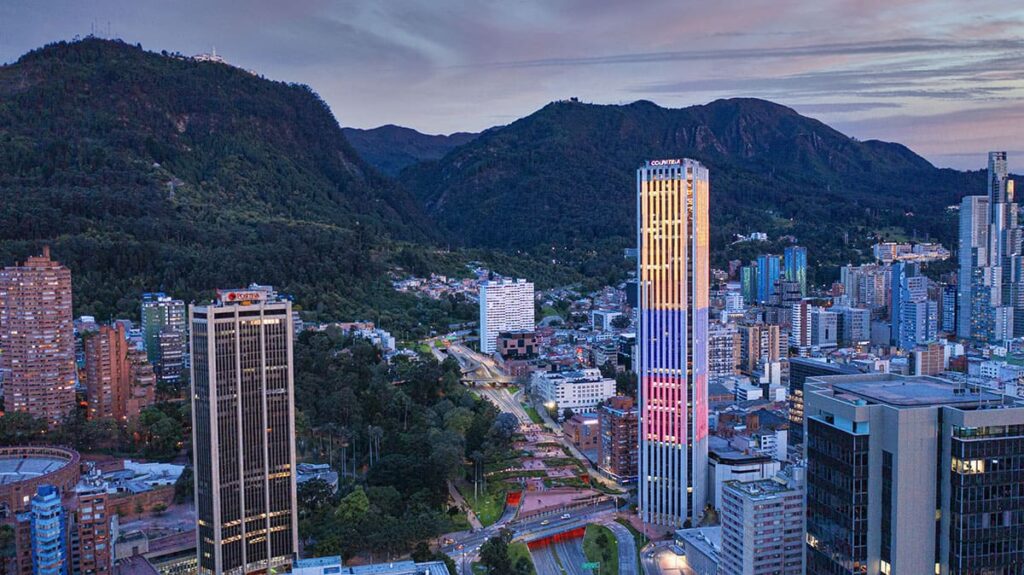
Planning a trip to Colombia’s vibrant capital? This Bogotá travel guide delivers everything you need to explore the city like a local. From historic plazas and world-class museums to mountain hikes and authentic street food, Bogotá blends colonial charm with modern energy. Whether you’re visiting for a weekend or staying longer, this comprehensive guide covers the top attractions, cultural insights, safety tips, and practical advice to help you make the most of your time in this high-altitude metropolis. Get ready to discover why Bogotá is one of South America’s most underrated destinations.
Why Visit Bogotá? A Cultural and Geographic Overview
Bogotá, perched at 2,640 meters above sea level in the Andes, is more than just Colombia’s political and economic hub—it’s a cultural powerhouse. The city pulses with creativity, from its thriving art scene to its dynamic music and food culture. As the third-highest capital in the world, Bogotá offers a unique blend of indigenous, Spanish colonial, and contemporary influences that shape its identity. Visitors are drawn not only to its rich history but also to its progressive urban planning, green spaces, and commitment to sustainability.
The city’s location in the Andean highlands gives it a spring-like climate year-round, with cool temperatures and frequent rain showers. This elevation also means visitors may experience mild altitude effects, such as shortness of breath or fatigue, especially in the first few days. However, Bogotá’s efficient public transportation, pedestrian-friendly zones, and growing network of bike lanes make it surprisingly easy to navigate. Whether you’re a history buff, foodie, or adventure seeker, Bogotá rewards curious travelers with depth and authenticity.
Top Attractions in Bogotá: Must-See Sights
No Bogotá travel guide would be complete without highlighting its iconic landmarks. Start your journey at La Candelaria, the city’s historic heart. This cobblestone district is lined with colorful colonial buildings, boutique cafes, and street art. Don’t miss the Plaza de Bolívar, the main square surrounded by the Cathedral of Bogotá, the Capitolio Nacional, and the Palacio de Justicia. Just a short walk away, the Museo del Oro (Gold Museum) houses the world’s largest collection of pre-Hispanic gold artifacts—over 55,000 pieces that tell the story of indigenous cultures like the Muisca and Tairona.
For panoramic views of the city, head to Monserrate, the mountain that towers over Bogotá. You can reach the summit by cable car, funicular, or hiking trail—each offering a different experience. At the top, visit the 17th-century sanctuary and enjoy breathtaking views, especially at sunrise or sunset. Another cultural gem is the Museo Botero, located in a restored colonial mansion. It features works by Fernando Botero, Colombia’s most famous artist, alongside pieces by Picasso, Monet, and Dalí. These attractions provide a strong foundation for understanding Bogotá’s artistic and historical legacy.
Neighborhoods to Explore: Where to Stay and Wander
Bogotá’s neighborhoods each offer a distinct vibe, making it easy to tailor your experience. La Candelaria is ideal for first-time visitors who want to be close to major attractions, museums, and traditional restaurants. It’s walkable, full of character, and rich in history, though some areas can feel crowded or noisy at night. For a more upscale experience, consider Chapinero, a trendy district known for its rooftop bars, fusion restaurants, and LGBTQ+-friendly atmosphere. It’s well-connected by TransMilenio and offers a mix of old and new architecture.
Zona G (Gourmet Zone) and Zona Rosa are perfect for food lovers and nightlife enthusiasts. Zona G is home to some of Bogotá’s best fine-dining restaurants, while Zona Rosa buzzes with energy—think karaoke bars, international cuisine, and late-night shopping. Families and professionals often prefer Usaquén, a quieter, tree-lined neighborhood with a charming Sunday flea market and proximity to parks. For a local experience, explore Quinta Camacho or Parque de la 93, where residents gather for coffee, yoga, and weekend brunches. Choosing the right neighborhood can significantly enhance your stay.
Food and Drink: A Culinary Journey Through Bogotá
Bogotá’s food scene is a delicious reflection of Colombia’s diverse regions. Start with ajiaco, the city’s signature soup made with chicken, three types of potatoes, corn, and guascas herb. It’s traditionally served with capers, cream, and avocado—best enjoyed at La Puerta Falsa or Andrés DC. Don’t miss arepas, corn-based patties stuffed with cheese, meat, or eggs. Try them at Arepas de la Abuela or street vendors in La Candelaria. For a sweet treat, sample obleas, thin wafers filled with arequipe (dulce de leche) and cheese—a popular snack sold in parks and plazas.
Coffee culture is strong in Bogotá, and the city boasts some of the best cafes in Latin America. Visit Juan Valdez Café for a national chain experience or seek out independent spots like Café Devoción or La Colmena, which serve single-origin brews and house-made pastries. Craft beer is also on the rise, with breweries like 3 Cordilleras and Apóstol offering tastings and tours. For a unique experience, join a food tour that explores local markets like Mercado de Paloquemao, where you can sample exotic fruits, fresh juices, and regional dishes. Bogotá’s culinary diversity ensures every meal is an adventure.
Getting Around: Transportation Tips for Visitors
Navigating Bogotá is easier than many travelers expect, thanks to its well-organized public transit system. The TransMilenio bus rapid transit (BRT) network is the backbone of the city’s transportation, with dedicated lanes and frequent service. Stations are clearly marked, and you can use a rechargeable Tarjeta Tullave card to pay for rides. While efficient, TransMilenio can get crowded during rush hours, so plan accordingly. For shorter trips, SITP city buses cover areas not served by TransMilenio, but they can be slower and less predictable.
Taxis and ride-hailing apps like Uber, Beat, and Didi are widely available and generally safe. Always use official taxi stands or apps to avoid unlicensed cabs. Bogotá is also becoming more bike-friendly, with over 600 kilometers of bike lanes and the BiciBogotá bike-sharing program. Renting a bike is a great way to explore neighborhoods like Chapinero or Usaquén at your own pace. Walking is enjoyable in pedestrian zones like Calle 13 in La Candelaria or the Ciclovía event, where streets are closed to cars every Sunday. With a mix of options, getting around Bogotá is both affordable and accessible.
Safety and Practical Tips for Travelers
Like any major city, Bogotá requires awareness, but it’s generally safe for tourists who take basic precautions. Avoid displaying expensive items like jewelry, cameras, or smartphones in public. Stick to well-lit, busy areas, especially at night, and avoid isolated parks or alleys. Use ATMs inside banks or shopping centers, and never accept unsolicited help with transactions. Petty theft, such as pickpocketing or bag snatching, is the most common risk, particularly in crowded markets or on public transport.
It’s wise to carry a photocopy of your passport and keep the original in a hotel safe. Register with your embassy if staying long-term. Bogotá has improved significantly in recent years, with increased police presence in tourist zones. Locals are friendly and helpful—don’t hesitate to ask for directions or recommendations. Learning a few basic Spanish phrases goes a long way. Also, be mindful of the altitude: drink plenty of water, avoid alcohol on arrival, and take it easy the first day. With sensible habits, your trip can be both safe and enjoyable.
Day Trips and Outdoor Adventures Near Bogotá
Bogotá’s location makes it a perfect base for exploring the surrounding Andean region. One of the most popular day trips is to Zipaquirá, home to the Sal Cathedral, an underground Roman Catholic church carved entirely from salt mines. The journey takes about an hour by bus or car, and the cathedral’s tunnels and chambers are both awe-inspiring and spiritually significant. It’s a UNESCO World Heritage Site and a must-see for history and architecture lovers.
Nature enthusiasts should visit the Sumapaz Paramo, the largest tropical páramo ecosystem in the world. While challenging to reach, it offers stunning landscapes, unique flora, and a glimpse into Colombia’s high-altitude wilderness. A more accessible option is La Chorrera, the country’s tallest waterfall, located in the municipality of Choachí. The hike takes about 45 minutes and rewards you with cascading water and lush greenery. For a cultural experience, head to Guatavita to see the sacred lake linked to the legend of El Dorado. These excursions showcase the natural and historical richness just beyond the city.
Best Time to Visit Bogotá: Weather and Events
Bogotá enjoys a relatively stable climate year-round, with average temperatures between 12°C and 20°C (54°F–68°F). However, it rains frequently, especially during the wet seasons from April to May and October to November. The drier months of December to March and July to August are ideal for outdoor activities and sightseeing. Pack layers, a waterproof jacket, and comfortable walking shoes—weather can change quickly, even within a single day.
Beyond weather, consider timing your visit around major events. The Bogotá Film Festival in October attracts international filmmakers and cinephiles. February hosts the Feria de las Flores (Flower Festival), though it’s primarily in Medellín, Bogotá celebrates with local parades and cultural events. In August, the Rock al Parque festival brings free live music to Simón Bolívar Park. The Feria Internacional del Libro (International Book Fair) in April is a literary highlight. Planning around these events can enrich your experience and offer unique local insights.
Key Takeaways: Make the Most of Your Bogotá Trip
- Start in La Candelaria: This historic district is the cultural and architectural heart of Bogotá, home to major museums, plazas, and restaurants.
- Visit Monserrate for views: Whether by cable car, funicular, or hike, the summit offers unmatched panoramic vistas of the city.
- Try local dishes: Ajiaco, arepas, and obleas are essential tastes of Bogotá’s culinary identity.
- Use TransMilenio and apps: Public transit is efficient, and ride-hailing services are safe and convenient.
- Stay aware and prepared: Avoid petty theft, carry copies of documents, and acclimate to the altitude.
- Explore beyond the city: Day trips to Zipaquirá, La Chorrera, and Guatavita add depth to your journey.
- Pack for variable weather: Layers and rain gear are essential, even in dry months.
Conclusion
Bogotá is a city of contrasts—ancient and modern, serene and bustling, traditional and innovative. This Bogotá travel guide equips you with the knowledge to explore its top attractions, savor its flavors, and navigate its streets with confidence. From the gold-laden halls of the Museo del Oro to the misty peaks of Monserrate, every corner of the city tells a story. With thoughtful planning and an open mind, your visit can be both enriching and unforgettable. Whether you’re drawn by history, food, nature, or culture, Bogotá offers a uniquely Colombian experience that lingers long after you leave.
FAQs
Is Bogotá safe for tourists?
Yes, Bogotá is generally safe for tourists who take basic precautions. Avoid flashing valuables, use official transportation, and stay in well-lit, populated areas, especially at night. Petty theft is the most common concern, but violent crime against tourists is rare.
What is the best way to get from El Dorado Airport to downtown Bogotá?
The most convenient options are official airport taxis (look for “Aerotaxi” or “Taxi Amarillo”), ride-hailing apps like Uber or Beat, or the TransMilenio bus (take the “Aeropuerto” line). The trip takes 30–60 minutes depending on traffic.
Do I need to speak Spanish to visit Bogotá?
While not required, knowing basic Spanish phrases is helpful. Many locals in tourist areas speak some English, but outside those zones, Spanish is essential for communication, ordering food, and navigating public transit.
