
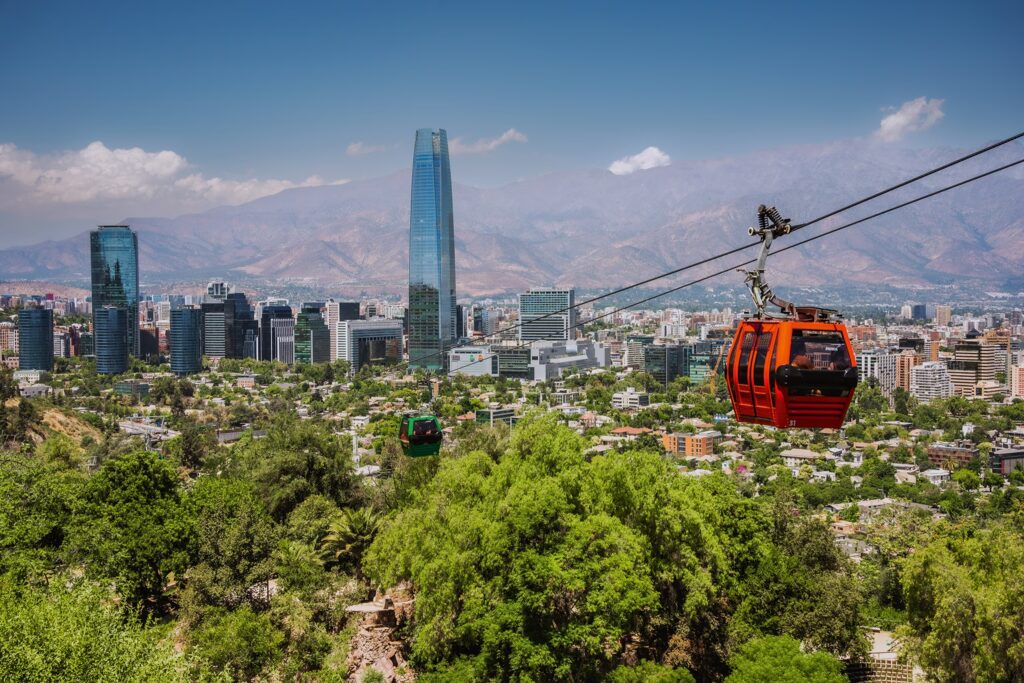
Planning a trip to Chile’s vibrant capital? This Santiago travel guide delivers everything you need to explore the city like a local. From historic neighborhoods and world-class museums to Andean views and culinary hotspots, Santiago blends urban energy with natural beauty. Whether you’re a first-time visitor or returning for more, this comprehensive city guide and travel tips will help you navigate transportation, find the best accommodations, discover must-see attractions, and experience authentic Chilean culture—all while staying safe, comfortable, and inspired throughout your journey.
Why Visit Santiago: The Heart of Chile
Santiago isn’t just Chile’s political and economic center—it’s a dynamic metropolis where modernity meets tradition. Nestled in a valley surrounded by the snow-capped Andes, the city offers stunning panoramic views, especially at sunrise or sunset. Its compact downtown makes it easy to explore on foot, while efficient public transit connects you to cultural districts, parks, and hillside viewpoints. With a thriving arts scene, international cuisine, and a growing reputation as a South American travel hub, Santiago appeals to adventurers, foodies, history buffs, and business travelers alike.
What sets Santiago apart is its balance of accessibility and authenticity. Unlike some Latin American capitals, it’s clean, safe, and well-organized, yet still pulses with local flavor. You’ll find colonial-era plazas next to sleek skyscrapers, traditional markets alongside gourmet food halls, and tango dancers sharing streets with tech startups. This blend creates a uniquely welcoming atmosphere for international visitors. Plus, its central location makes it an ideal base for day trips to wine valleys, coastal towns, or mountain hikes—all within an hour’s drive.
Top Attractions in Santiago: Must-See Sights
Start your Santiago adventure at Plaza de Armas, the historic heart of the city. Surrounded by neoclassical buildings like the Metropolitan Cathedral and the Central Post Office, this bustling square has been the social and civic center since 1541. Just steps away, the Museo Histórico Nacional offers a deep dive into Chile’s independence, revolutions, and cultural evolution. Don’t miss the nearby Mercado Central, a cast-iron marvel from the 19th century, where you can sample fresh seafood, empanadas, and local wines in a lively, aromatic setting.
For panoramic city views, head up to Cerro San Cristóbal, one of Santiago’s most iconic hills. Accessible by funicular, cable car, or hiking trail, the summit features a towering statue of the Virgin Mary and sweeping vistas of the city framed by the Andes. Art lovers should visit the Museo de la Memoria y los Derechos Humanos, a powerful tribute to victims of Chile’s military dictatorship, or explore the avant-garde galleries in the Barrio Bellavista neighborhood. This bohemian district is also home to colorful street art, cozy cafés, and the former home of poet Pablo Neruda, now the Museo La Chascona.
Getting Around Santiago: Transportation Tips
Santiago boasts one of Latin America’s most efficient public transportation systems. The Transantiago metro is clean, safe, and covers most major neighborhoods with six color-coded lines. Trains run frequently from early morning until midnight, and stations are well-marked in Spanish and English. Use the Bip! card, a rechargeable smart card available at metro stations and corner stores, to pay for metro rides, buses, and even some bike-sharing services. A single metro ride costs around 900 CLP (about $1 USD), and transfers within 90 minutes are free.
While the metro is ideal for longer distances, walking is the best way to explore central districts like Lastarria, Yungay, and Patronato. These areas are pedestrian-friendly, filled with cafés, boutiques, and historic architecture. For short trips or late-night returns, ride-hailing apps like Uber and Cabify are widely used, affordable, and generally safer than unmarked taxis. Avoid hailing cabs on the street unless they display official credentials. If you plan to venture beyond the city, consider renting a car—but be prepared for narrow mountain roads and limited parking in older neighborhoods.
Navigating Santiago Like a Local
Locals often combine metro and walking for maximum efficiency. For example, take Line 1 to Universidad de Chile station, then stroll through the charming streets of Lastarria, known for its bookshops, art galleries, and weekend flea markets. Always carry small bills and coins, as many small vendors and street food stalls don’t accept cards. Download offline maps or use Google Maps with real-time transit updates—it supports Santiago’s metro and bus schedules accurately.
Safety is rarely an issue in well-trafficked areas, but stay alert in crowded markets or on late-night metro rides. Avoid displaying expensive electronics or jewelry, and keep your belongings secure in pickpocket-prone zones like Mercado Central or tourist-heavy plazas. Most importantly, learn a few basic Spanish phrases—locals appreciate the effort, and it enhances your experience far beyond what any app can offer.
Where to Stay in Santiago: Neighborhood Guide
Choosing the right neighborhood can make or break your Santiago experience. For first-time visitors, Providencia and Las Condes offer modern comfort, upscale dining, and easy metro access. These business-friendly districts are safe, clean, and filled with international hotels, shopping centers, and embassies. They’re ideal if you prefer convenience and familiarity, though they lack the historic charm of older areas.
If you crave authenticity and local flavor, stay in Bellavista or Lastarria. These walkable neighborhoods blend colonial architecture with a youthful, artistic vibe. Expect cozy guesthouses, boutique hotels, and a buzzing nightlife scene. Bellavista is especially popular with backpackers and creatives, while Lastarria attracts culture seekers with its independent cinemas, design stores, and farm-to-table restaurants. Both are well-connected by metro and within walking distance of major attractions.
Budget vs. Luxury Accommodations
Santiago offers options for every budget. Budget travelers can find clean, safe hostels from $15–$25 USD per night, many with free breakfast and communal kitchens. Mid-range hotels ($60–$120 USD) provide comfort and amenities like Wi-Fi, air conditioning, and 24-hour reception. Luxury seekers will appreciate five-star properties like The Ritz-Carlton, Santiago or Hotel Magnolia, which blend elegance with personalized service and prime locations.
For a unique stay, consider a short-term rental in a traditional casa particular (guesthouse) or a converted historic home. Platforms like Airbnb offer authentic experiences, often with local hosts who provide insider tips. Just ensure the listing is verified and located in a safe, central area. Regardless of your choice, book in advance during peak seasons (December–February and July–August) to secure the best rates and availability.
Food & Drink in Santiago: A Culinary Journey
Santiago’s food scene is a delicious mix of indigenous ingredients, Spanish influence, and global trends. Start your day with a completo (Chilean hot dog topped with avocado, tomatoes, and mayo) or empanadas de pino (meat-filled pastries) from a street vendor. For breakfast, try marraqueta (a crusty bread roll) with butter and marmalade at a neighborhood café. Don’t miss kuchen, a German-inspired fruit cake popular in southern Chile but widely enjoyed in Santiago’s bakeries.
Lunch is the main meal in Chile, and Santiago delivers. Head to Mercado Central for fresh ceviche, grilled seafood, or pastel de choclo (corn and beef casserole). In upscale districts, you’ll find innovative fusion restaurants like Ambrosía or Orígenes, which reinterpret traditional dishes with modern techniques. Vegetarians and vegans are well-served too—look for comida vegetariana signs or try Quinoa Café in Bellavista for plant-based bowls and smoothies.
Drinking Culture and Local Beverages
Chile is world-renowned for its wine, and Santiago is the perfect place to taste it. Visit La Vega Central market for affordable wine tastings or book a tour to nearby Maipo Valley, home to iconic vineyards like Concha y Toro and Santa Rita. In the city, wine bars like La Cava de la Mina offer curated lists and expert pairings. For something stronger, try pisco, Chile’s national spirit, often mixed into a piscola (pisco and Coke) or the frothy terremoto (“earthquake”) cocktail.
Coffee culture is also thriving. While chain cafés exist, seek out independent spots like TallGrinder or Café Altura, which serve single-origin beans and expertly pulled espresso. Many cafés double as co-working spaces, making them ideal for digital nomads. And don’t leave without trying mote con huesillos—a sweet, refreshing drink made from boiled peaches and wheat, perfect for hot afternoons.
Travel Tips for a Smooth Santiago Experience
To make the most of your trip, plan around Santiago’s seasons. Summer (December–February) is warm and dry, ideal for outdoor activities, but also peak tourist season. Winter (June–August) brings cooler temperatures and occasional rain, but fewer crowds and lower prices. Spring and fall offer mild weather and blooming parks, especially in Parque Metropolitano and Parque Bicentenario. Always pack layers—Santiago’s weather can shift quickly, especially in the mountains.
Currency is the Chilean peso (CLP). While credit cards are accepted in hotels and restaurants, carry cash for markets, taxis, and small purchases. ATMs are widely available, but check for fees. Tipping is appreciated but not mandatory—10% in restaurants is standard, and rounding up for taxis is common. Learn basic Spanish greetings like “buenos días” (good morning) and “gracias” (thank you)—it goes a long way in building rapport.
Safety, Etiquette, and Cultural Tips
Santiago is one of South America’s safest capitals, but standard precautions apply. Avoid walking alone in dimly lit areas at night, especially in peripheral neighborhoods. Keep copies of your passport and travel insurance handy. Chileans are polite and reserved—avoid loud conversations in public and respect personal space. When visiting churches or museums, dress modestly and silence your phone.
Public holidays like Fiestas Patrias (September 18–19) bring nationwide celebrations with traditional food, music, and dancing. If you’re visiting during this time, expect crowded streets and limited services, but also a uniquely festive atmosphere. Always carry a reusable water bottle—tap water is safe to drink, and refill stations are common in parks and metro stations.
Key Takeaways
- Santiago blends urban sophistication with natural beauty, offering museums, markets, and mountain views in one compact city.
- The metro and Bip! card make getting around easy, affordable, and efficient.
- Stay in Bellavista or Lastarria for culture and charm, or Providencia for modern convenience.
- Don’t miss Mercado Central, Cerro San Cristóbal, and Pablo Neruda’s La Chascona.
- Try local dishes like empanadas, pastel de choclo, and piscola, and explore Chile’s wine culture.
- Pack layers, carry cash, learn basic Spanish, and stay aware of your surroundings for a safe, enjoyable trip.
Conclusion
Santiago is more than a stopover—it’s a destination that rewards curiosity and embraces diversity. This Santiago travel guide equips you with practical advice, cultural insights, and insider tips to navigate the city confidently. From sipping wine in a Bellavista courtyard to hiking up Cerro San Cristóbal at dawn, every moment in Santiago offers a new perspective. Whether you’re here for a weekend or a month, the city’s energy, history, and warmth will leave a lasting impression. Come prepared, stay open-minded, and let Santiago surprise you.
FAQs
What is the best time to visit Santiago?
The best time to visit Santiago is during the spring (September–November) or fall (March–May), when temperatures are mild, crowds are smaller, and the city’s parks are in full bloom. Summer (December–February) is warm and sunny but busy, while winter (June–August) is cooler and wetter, though ideal for budget travelers.
Is Santiago safe for tourists?
Yes, Santiago is generally safe for tourists, especially in central neighborhoods like Providencia, Bellavista, and Lastarria. As with any major city, stay alert in crowded areas, avoid displaying valuables, and use reputable transportation. Violent crime is rare, but petty theft can occur in tourist zones.
Do I need to speak Spanish to visit Santiago?
While many locals in tourist areas speak basic English, knowing some Spanish greatly enhances your experience. Simple phrases like “¿Dónde está el baño?” (Where is the bathroom?) or “La cuenta, por favor” (The bill, please) are helpful and appreciated. Download a translation app or carry a pocket phrasebook for convenience.
